Reconsidering Frank Zappa
 In the final moments of Eat That Question, a documentary in which the director Thorsten Schütte creates a chronological collage of interviews and performance clips from throughout Frank Zappa’s career, we see Zappa with a baton in hand, conducting a piece of his orchestral music. We’re in the early ’90s and, after several years of treatment for prostate cancer, he is close to death. As he waves the stick in a staccato 4/4 pattern, several percussionists play a fascinating jigsaw tattoo. Hearing his score come to life, the composer is clearly entranced. It’s a lovely and touching moment.
I interviewed Zappa a couple of times around 1970, and found it an uncomfortable experience. This was, after all, a man who said that rock criticism was people who couldn’t write writing for people who couldn’t read, or something like that. And I was a rock critic (of sorts). It has always seemed to me a stupid remark, a dismissal of a lot of worthwhile work from some talented and enthusiastic people, but it was probably the result of a series of bruising experiences.
He was intensely clever, of course, and he was funny, if not always as funny as his most fervent admirers found him. The Zappa I had liked at the beginning was not the ironist and satirist but the Zappa who wrote “Memories of El Monte” for the Penguins, who created Ruben and the Jets, and who got the Mothers of Invention to juxtapose sleazy East LA doo-wop with homages to free jazz on Uncle Meat. That was a Zappa who clearly loved his sources. I lost interest when Hot Rats came out; it seemed to me that other people were doing that sort of jazz-rock thing a lot better, and I never properly re-engaged.
But I came out of Eat That Question feeling a whole lot more sympathetic to him. I loved the clip from the eye-wateringly funny appearance on the Steve Allen Show in 1963 where the totally unknown Zappa demonstrates the music he’s devised to be played with drumsticks and violin bow on a pair of bicycles (the whole thing is on YouTube). I was interested by his suggestion that all his pieces might in fact together comprise one single composition, and also by his definition of his philosophy of writing music: “Any thing, any time, any place, for no reason at all.” His excoriation of communism is gob-smacking, his exchange with Tipper Gore’s parental-ratings committee hilarious. I was touched by the film of his visit to Prague in 1990, when he is welcomed by Vaclav Havel and a member of a Mothers of Invention-inspired band called Electrobus recounts how, in the Soviet era, he had been told: “We will take your Zappa away — you will not spread his ideology here.”
Throughout the film, Zappa’s sparring sessions with TV interviewers are generally thoughtful and good-natured, sometimes in the face of complete incomprehension (although the interview with NBC’s Today show, taped during his final days, is very sensitive). It made me wish I’d liked him, and his music, more.
 Put a guitar in my hands and you’ll get the “Smokestack Lightnin'” riff until you rip the instrument away from me and smash it over my head. That’s part of having been a teenager in the early ’60s, and equipped with a certain set of instincts. It doesn’t leave you.
 An all-instrumental album from Paolo Conte: that would be like an episode of The Sopranos without Tony, right? Well, not exactly. He doesn’t sing on Amazing Grace (although he does mutter the word “Tips” at the beginning and end of the short track of that name), but in its way this is still an album of full-strength Conte, offering perspectives that don’t normally get exposed.
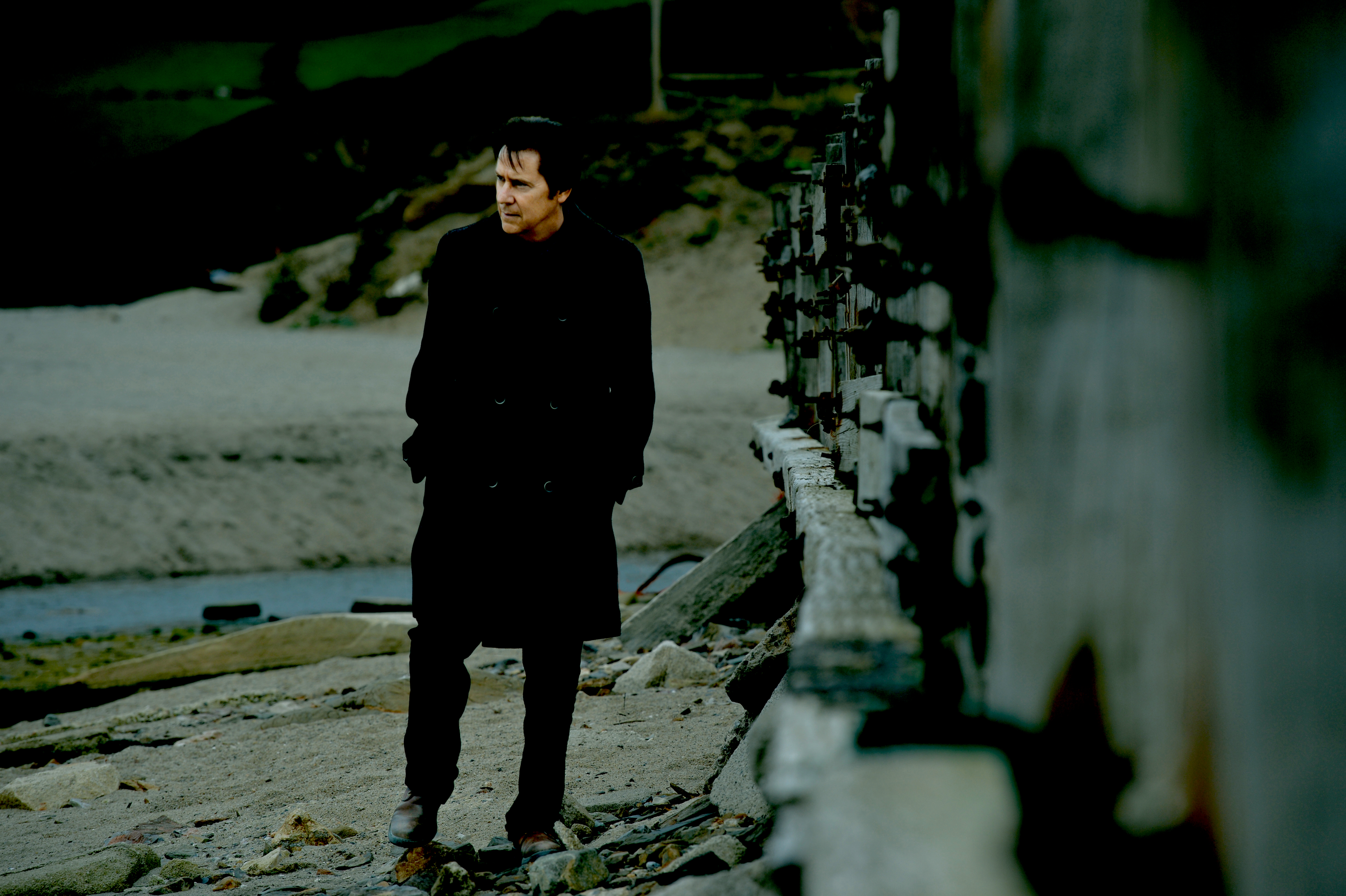 The first time I was impressed by Shakin’ Stevens was in 1970, while idly playing through his debut album with his group, the Sunsets, a bunch of rockabilly hounds from Cardiff, on the cheap sound system in the listening room at the Melody Maker‘s old Fleet Street office. Called A Legend, produced by Dave Edmunds and released on the Parlophone label, it contained one track that I found I needed to hear over and over again: a wild version of
 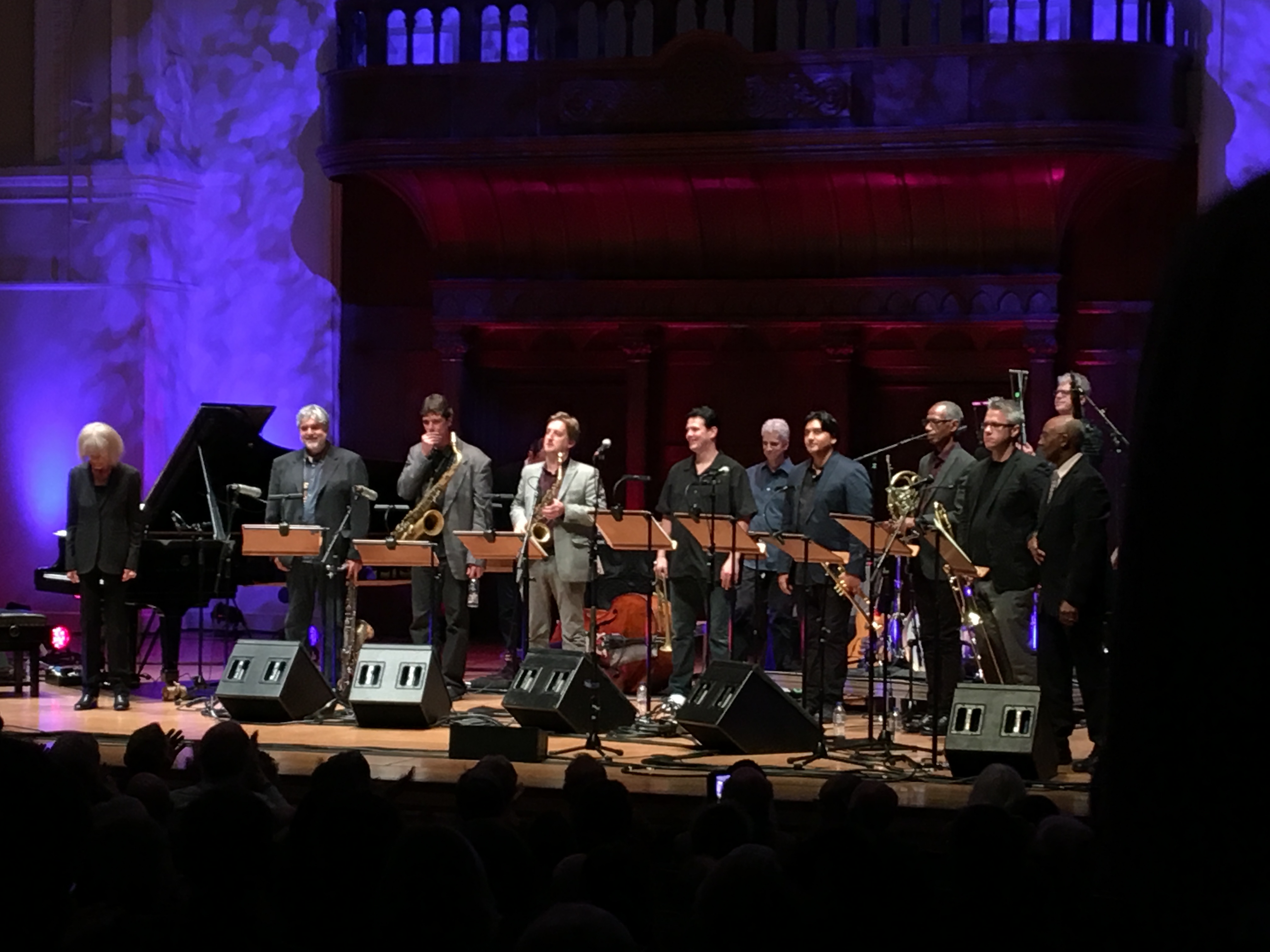 Eight years ago I was fortunate enough to be at the Blue Note in Greenwich Village to hear Charlie Haden’s Liberation Music Orchestra on the night of the US presidential election, and then again the following night after it had been confirmed that Barack Obama would be serving as America’s first black president. The anxious optimism of the first night and the joy and relief of the second could hardly have formed a greater contrast with the current mood of the world, in which the orchestra — minus Charlie, who died two years ago, and now directed by his long-time collaborator Carla Bley — arrived in London to play at Cadogan Hall as part of the EFG London Jazz Festival.
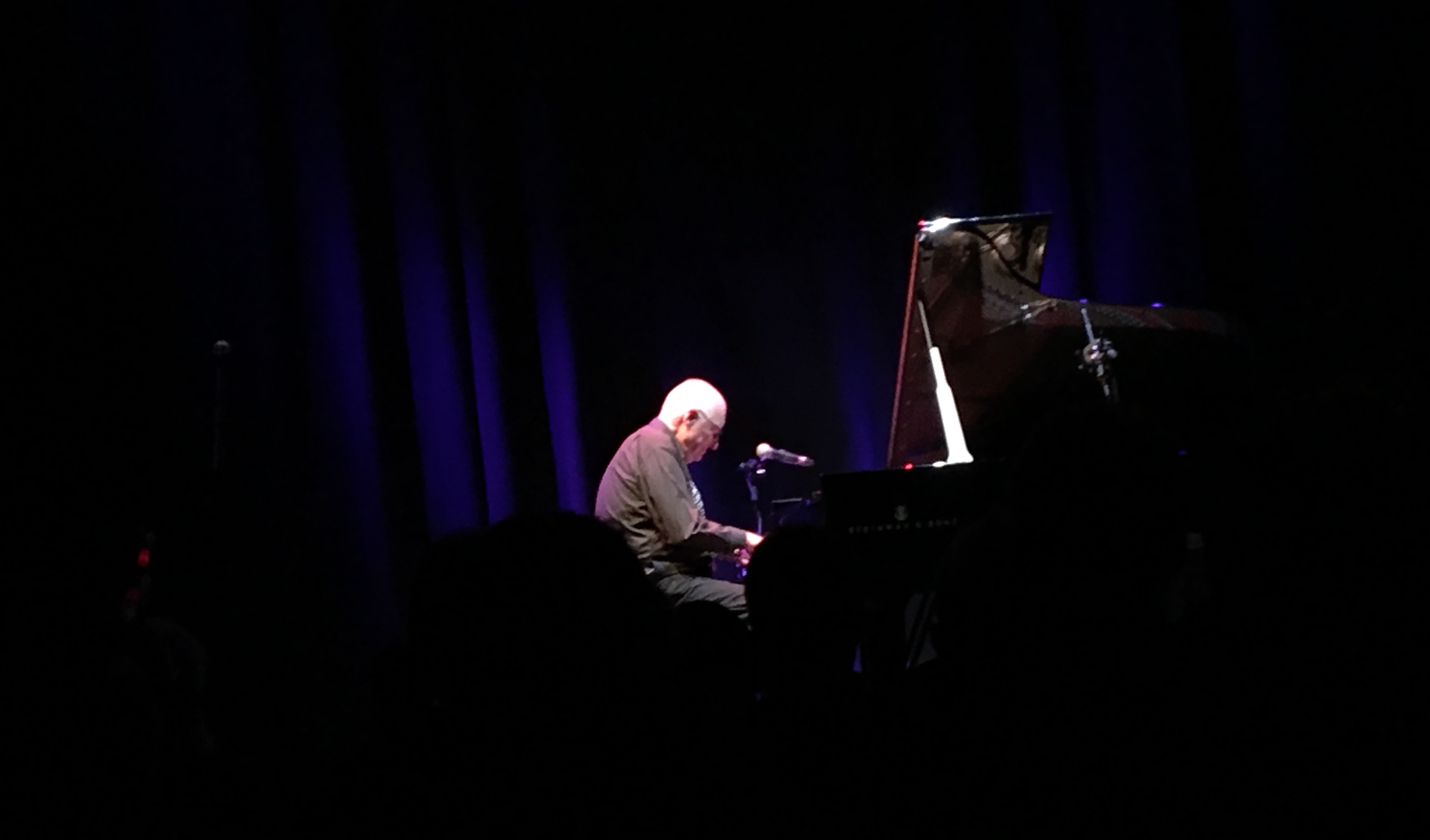 In the days leading up to Mike Westbrook’s solo recital at Kings Place on Saturday afternoon, part of the EFG London Jazz Festival, I’d attended a run of performances by several younger pianists — Kit Downes, Michael Wollny, Giovanni Guidi and Jason Moran — of great reputation and achievement. Spending just over an hour listening to Westbrook as he stitched together songs that have meant much to him over the years provided a useful reminder of what age can bring.
 The 79-year-old singer Elza Soares was in London last week, wearing a purple wig and a skintight leather dress as she sang from a golden throne on stage at the Barbican. I missed the gig, but I’ve been belatedly catching up with A Mulher do Fim do Mundo, the album she released this summer, and I’m pretty sure it’s going to end up very high on my best-of-the-year list.
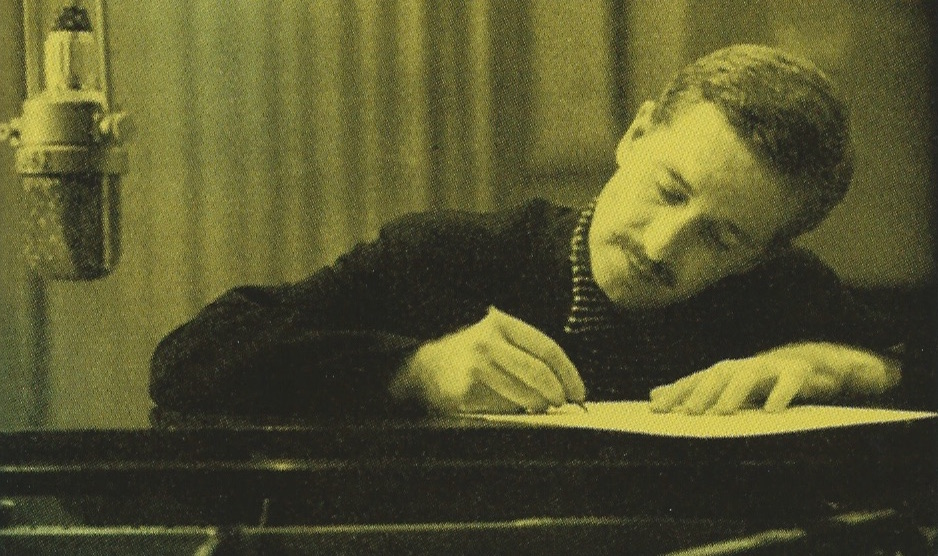 When we were just a bunch of white boys barely out of school, falling in love with the sounds of Muddy Waters, John Lee Hooker, Jimmy Reed and Bo Diddley and wondering if we’d found a language that we could somehow call our own, Mose Allison showed how it could be done. Allison had been born in Mississippi and grew up on a cotton farm, the son of a piano-playing general store owner and a schoolteacher. He had a directly acquired knowledge of the culture of African American people, and he knew that the way to adopt their language while retaining some sort authenticity was to be yourself. Among those who learnt that lesson were Georgie Fame and Pete Townshend.
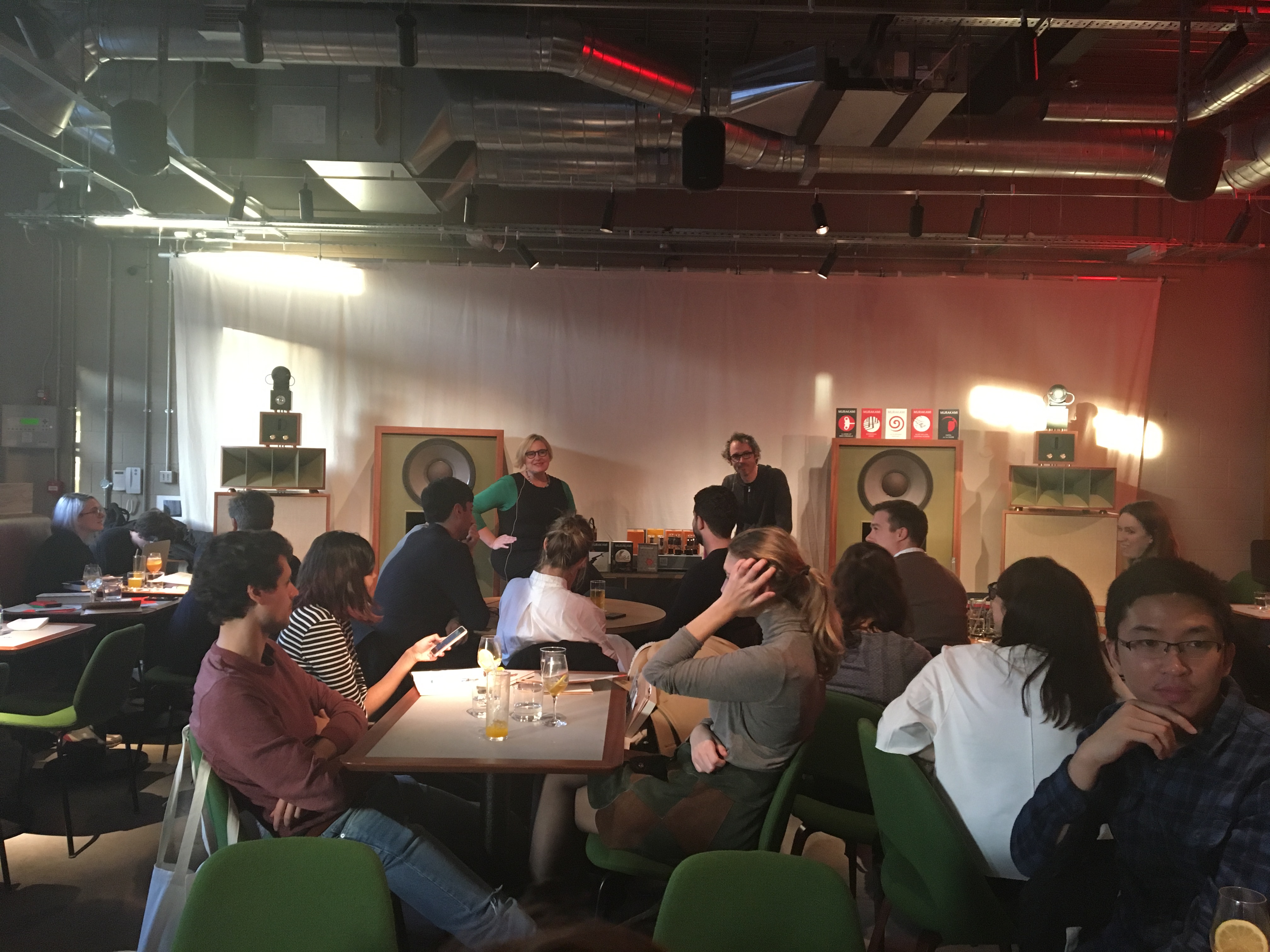 You don’t have to be a hi-fi nut or a vinyl fetishist to enjoy a place like Spiritland, the listening club/café tucked away in the redeveloped King’s Cross buildings that also house Central St Martin’s art college. It’s the perfect place to hold something like yesterday’s event at which the great Japanese novelist Haruki Murakami’s connection to music was discussed, to tie in with the new book of his conversations with the conductor Seiji Ozawa. I imagine the jazz bar called
  As I was on the way to see the blockbuster Abstract Expressionism show at the Royal Academy the other day, it was pointed out that jazz and AbEx seem to share a special relationship. I suppose that has something to do with synchronicity. Franz Kline and Mark Rothko were creating their revolutionary canvases at the same time as Charlie Parker and Thelonious Monk were making the music that changed everything, and the two developments seemed to share a sensibility. It’s easy to imagine Kline or Rothko playing “Ornithology” or “Well, You Needn’t” while working on a canvas in a Greenwich Village studio.


