 One of the great qualities of Terry Riley’s In C, a foundational work of modern music, is that it can be played by any number of people using any kind of instruments for as long as they choose to make its sequence of 53 motifs last. Since the appearance of the original album in 1968 it has been recorded by a wide variety of ensembles, including the Shanghai Film Orchestra, Acid Mothers Temple, the Salt Lake Electric Ensemble, Adrian Utley’s Guitar Orchestra, and Africa Express with Damon Albarn and Brian Eno. The original album version lasted 42 minutes, but it can be made to go on much longer. (I haven’t heard of an attempt to compress it into the length of a 45rpm single, but I’ll bet someone’s had a go.)
The fact of its remarkable flexibility, however, does not mean that every performance is guaranteed to be successful. Last night the composer himself, looking wonderfully spry for his 81 years, took his place at a prepared piano amid the London Contemporary Orchestra on stage in the Barbican Hall. Just over 70 minutes later the final chord was greeted with an ovation from a full house. I left feeling flat and disappointed.
In its best performances, In C seems to float not just on its famous eighth-note ostinato (suggested to Riley by Steve Reich, and originally the top two Cs of the piano keyboard) but on the moiré patterns created by the combination of instruments, which could be the brass, reeds and tuned percussion of the original ensemble or the kora, balafon, melodica and calabash of Africa Express. It’s a magical thing — but not an inevitable product of the score.
Last night’s ensemble of 20 musicians, under the direction of Robert Ames, featured bassoon, clarinet, alto saxophone, flute, two guitars (one of them played by Riley’s son, Gyan), flute, violin, viola, cello, viola da gamba, double bass, chamber organ, celeste, and three singers, with a drummer and two percussionists who reproduced the ostinato in a variety of ways, using various implements. This was not far off the 1968 line-up, in which a group of 11 musicians augmented themselves via overdubbing: 10 instruments at the first pass, seven at the second, giving a maximum aggregate of three trumpets, three saxophones, three trombones, three flutes, three oboes, three violas, three vibraphones, two marimbas, two bassoons, two clarinets and piano, a total of 28.
Sheer weight of numbers, then, could not have been the reason I found the Barbican performance so earthbound. For all the panoply of resources, the only element of variety in use seemed to be that of volume. There were soft passages and louder passages, but the rest of it sounded curiously like a big band riffing rather than an ensemble layering and juxtaposing the short motifs provided by the composer. It was all rather prosaic and — despite the composer’s active, if discreet, presence and the ensemble’s evident enthusiasm — hardly true to the spirit of the piece. There was also a rather imprecise attempt at a bravura ending, signalled by the director, which seemed completely inappropriate.
The first half of the evening had consisted of duets by the Rileys, father and son, mostly for piano and electric guitar, although Terry also sang in a deceptively artless voice and played a plaintive-sounding melodica while the nimble-fingered, quick-witted Gyan switched briefly from his Telecaster to an acoustic instrument. Beginning with a loose-limbed piece based on a raga, the set included a song with a strange fantastical lyric which ended with a line about rolling a joint, and which the elder Riley described, to appreciative laughter, as “the national anthem of California”. Cutting through the hippieish mood from time to time were lightning-fast unisons and slashing chordal passages.
At the time Riley conceived In C, in 1964, he was working as a ragtime pianist in the Gold Street Saloon, a waterfront bar in San Francisco, and in his solo passages last night there were frequent echoes and occasional direct hints of blues, stride, boogie-woogie and other vernacular forms. One piece swayed to an elegant habanera rhythm, and contained some lovely filigreed piano/guitar interplay that exposed the substance beneath the charming surface.
The album titled Live that they released a few years ago on Riley’s own Sri Moonshine Music label, featuring duets recorded between 2004 and 2010 in Drogheda, Nantes, Berkeley and Petaluma, is highly recommended. Those interested in looking further into Riley’s vocal music are directed to Atlantis Nath (2002), another self-distributed album, full of fascinating chants and songs with accompaniments including electronics and a string quartet.
* Photo credit: Jean-Pierre Duplan / Light Motiv
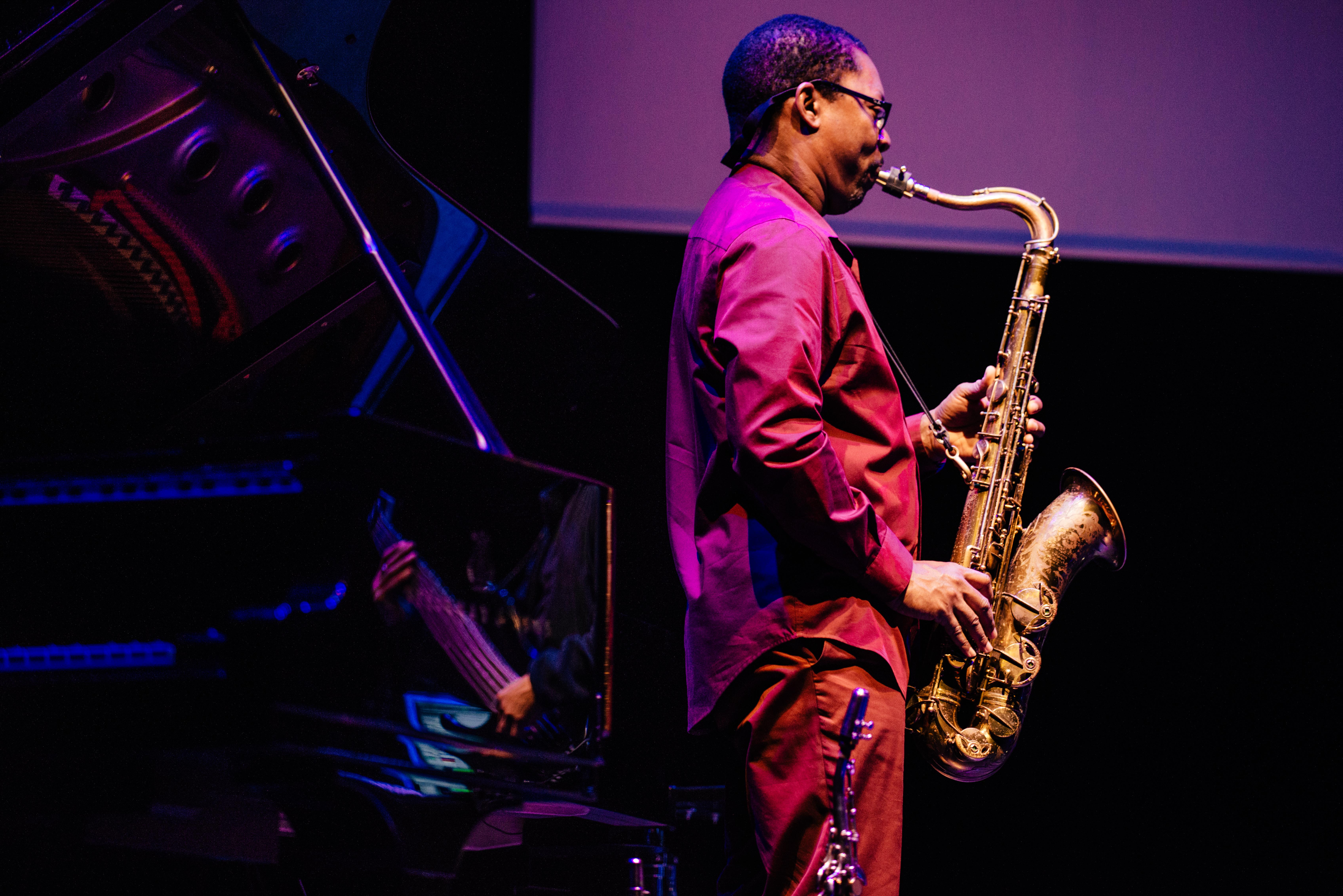 Probably I’m not supposed to write about the music at a festival I curate, but something happened in Berlin on Saturday night that made me want to ignore the rules of etiquette. It occurred during the hour-long set by the trio of Jack DeJohnette, Ravi Coltrane and Matthew Garrison, when they slipped into the theme written by John Coltrane as a response to the deaths of four schoolgirls — Addie Mae Collins, Cynthia Wesley, Carole Robertson and Carol Denise McNair, all aged between 11 and 14 — in the bombing of the 16th Street Baptist Church in Birmingham, Alabama by white supremacists on September 15, 1963.
 The other day I read two stories about famous people’s homes. One was about the house in Austria in which Adolf Hitler was born. Finally the authorities are thinking of razing it to the ground, to prevent its use as a neo-Nazi pilgrimage site (although they’re nervous about it being interpreted as an attempt to erase the country’s dark past). The other was about Buddy Bolden’s house in New Orleans, which is lying derelict in the grounds of a mega-church and could be demolished at any moment to make way for car parking.
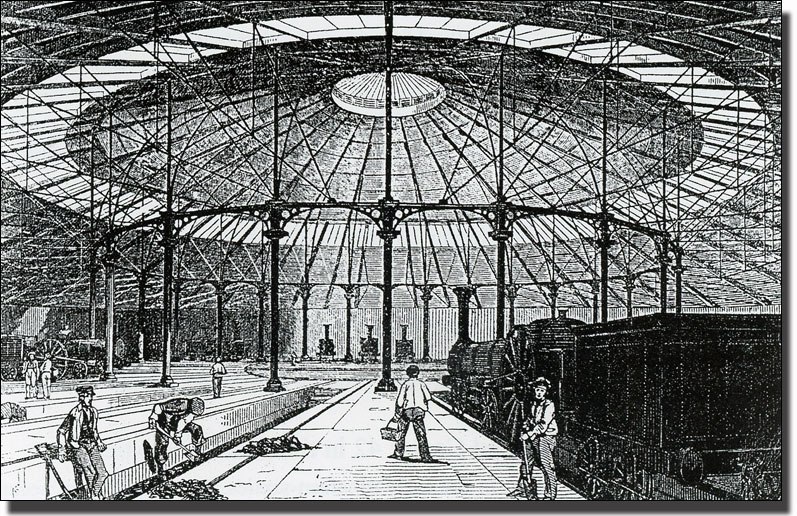 The last few things I’ve seen at the Roundhouse — Willie Colón on his farewell tour, Bob Dylan on good form, a wonderful performance on authentic instruments of Monteverdi’s L’Orfeo, the reformed Television, and John Cale — seem pretty typical of the musical variety the circular brick building at Chalk Farm has been offering London since Arnold Wesker had the idea of repurposing the old engine shed as a centre for the arts in 1966. Earlier first-hand memories of the place include Nico’s first London concert, the Art Ensemble of Chicago, the Ramones, a Company week featuring Derek Bailey with assorted friends, Gil Evans’s British band, and a Fairport Convention night with Fotheringay and Matthews’ Southern Comfort.
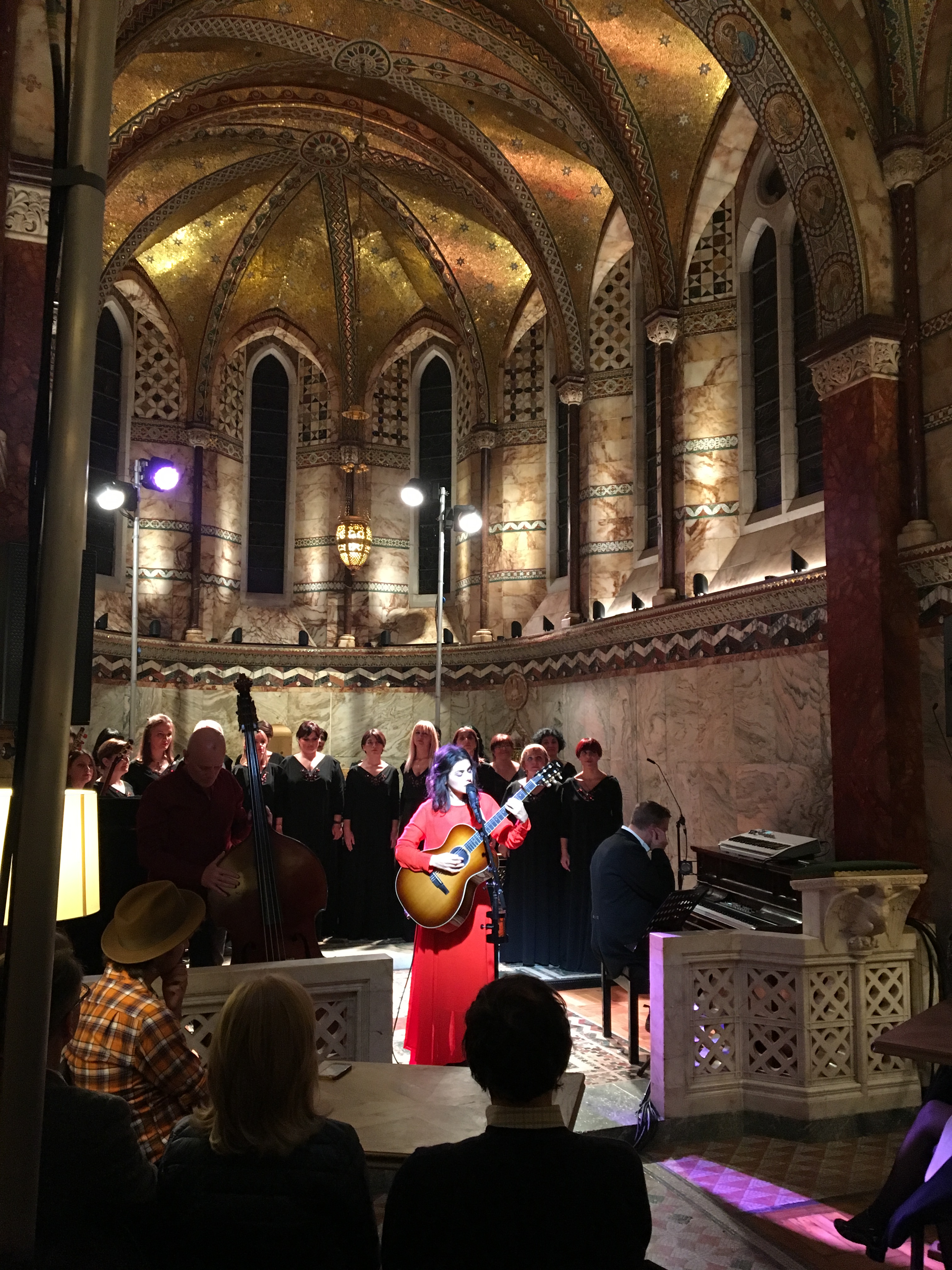 To be perfectly frank, I didn’t know much about the life and work of Katie Melua before I was invited to a small showcase concert of the music from her new album, In Winter, in which she is accompanied by the 23-strong Gori Women’s Choir from Georgia, the country in which — as I quickly discovered — she was born 32 years ago. I knew even less about the Fitzroy Chapel, formerly part of the Middlesex Hospital, which was demolished a few years ago to make way for — you guessed it — luxury apartments, with the Grade II*-listed chapel at the core of the new complex.
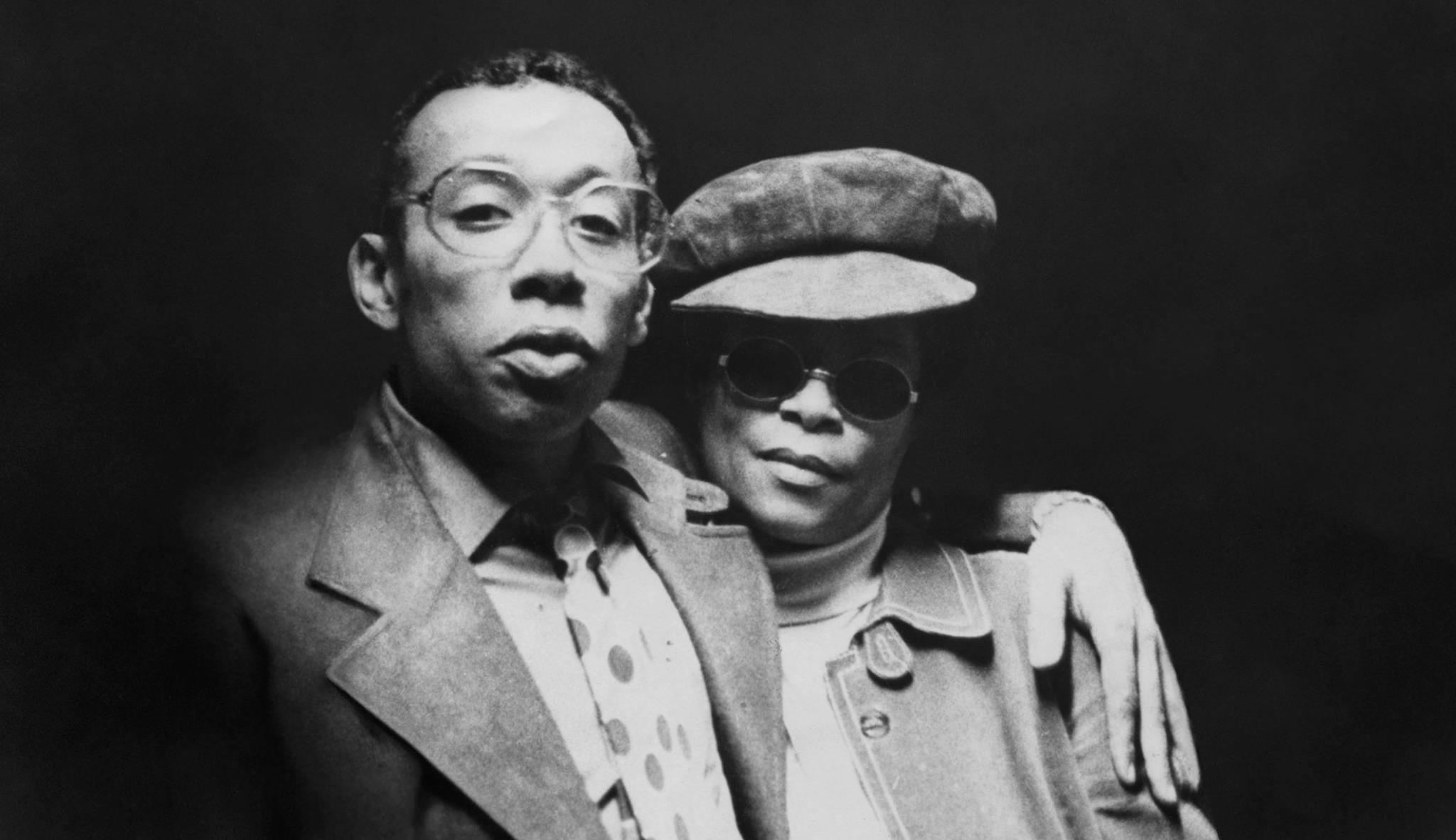 Two voices dominate I Called Him Morgan, Kasper Collin’s new documentary about the trumpeter Lee Morgan, which was screened at the weekend as part of the London Film Festival. The first is that of Morgan’s horn, of course. The second is that of Helen Moore, who rescued him from heroin addiction in the late ’60s and then, seemingly driven to distraction by his infidelity, shot him dead in front of his own audience at Slugs’ Saloon on New York’s Lower East Side one midwinter night in 1972.
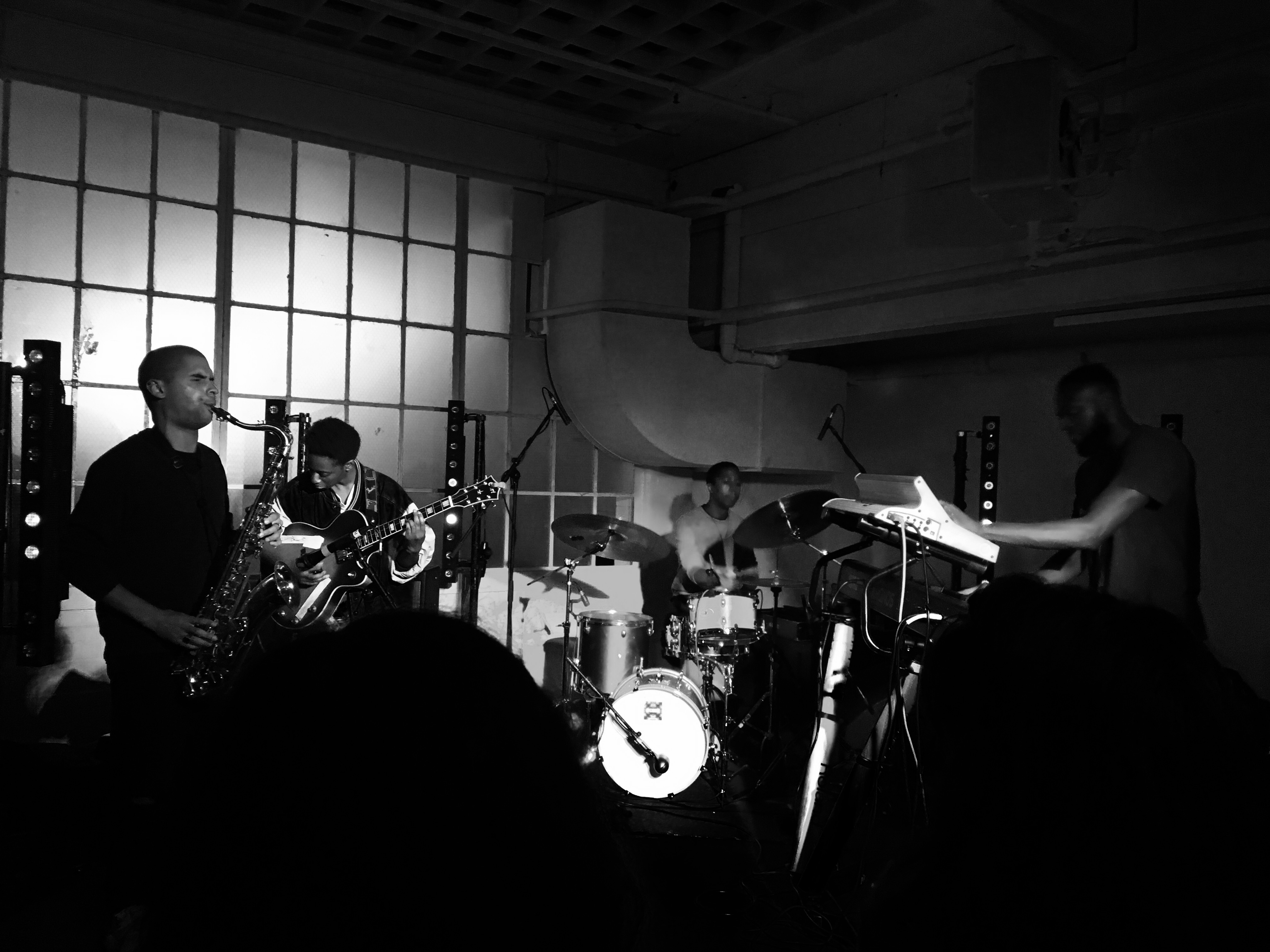 It’s Frieze week in London, meaning that the streets of the more fashionable quarters of the city are thronged with art people. Last night some of them made their way to a party thrown by the Timothy Taylor Gallery in a Soho basement beneath the Phonica vinyl record shop on Poland Street, where the music was provided by a quartet under the leadership of the drummer Moses Boyd.
 Towards the end of Eight Days a Week, Ron Howard’s Beatles new documentary, all reason and proportion briefly fled and I was overpowered by a sense of rage. Those bloody Americans: it was all their fault. With their idiotic 50,000-seater stadiums and their imbecilic urge to misconstrue a perfectly innocent remark about Christianity in a John Lennon interview, they ruined the whole thing.
  Orphy Robinson must have known he’d had a great idea when he put together an octet to celebrate the music of the late

