Piano trios at XJAZZ
 XJAZZ is the name of an annual festival held in Kreuzberg, a district of Berlin that is home to a large immigrant population. The four-day event is dispersed between a dozen or so venues, all within walking distance of each other. Most of them are rock or dance clubs, but there are also the very striking 19th century Emmaus Church, reconstructed after 1945, and the Lido, built in the 1950s as a cinema.
Of the events I attended this year, the two most striking were both by piano trios. Vijay Iyer’s group (pictured above), completed by the bassist Stephan Crump and the drummer Marcus Gilmore, arrived at a packed Lido on Friday night intending to play the usual hour or so after being presented with the German jazz critics’ association album of the year award for their latest ECM album, Break Stuff. Such was the crowd’s enthusiasm that they ended up playing only a minute or three short of two hours.
They began by playing without pause for more than half an hour, and the applause that greeted the closing notes might have gone almost as long had a rather bemused Iyer not manage to bring it to a halt. The response was the same throughout the set as the trio explored complex but irresistible grooves that created and released tension with an exhilarating effect. They played many original compositions, several of which — such as “Hood” — showed off a love of playing rhythmic games, as well as Thelonious Monk’s “Work” and Henry Threadgill’s “Little Pocket Size Demons”.
Sooner or later the deluge of creative piano-trio music will dry up, but perhaps not for a while yet. The following evening another interesting group took the stage at Watergate, a house and techno club whose bar looks out on to the River Spree. As the light faded on the water through the windows behind them, the Bosnian-born drummer Dejan Terzic, the Danish bassist Jonas Westergaard and the German pianist Florian Weber created three-way conversations characterised by an astringent lyricism and a wonderful ability to play with full commitment while giving each other plenty of room.
These two trios operate at a dauntingly high level of intellectual activity, but the spontaneous enthusiasm of both sets of listeners demonstrated the music’s ability to warm the spirit as well as stimulate the mind.
 Little Richard is said by his attorney to be “annoyed” at the rumours of his death which spread this week. He survived a heart attack in 2013 and underwent a hip replacement operation more recently, but apparently he’s otherwise fine at 83. Let’s hope so.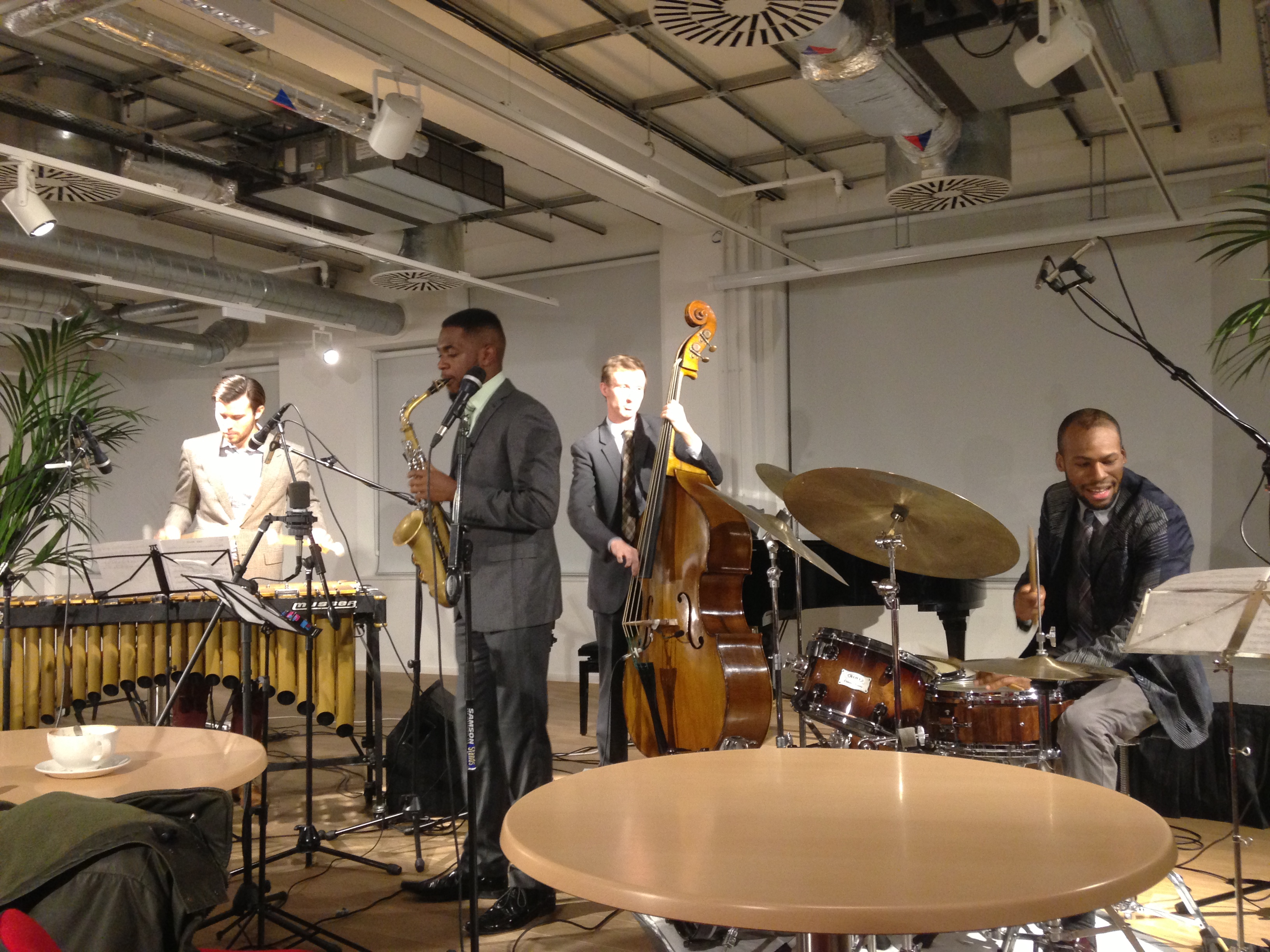
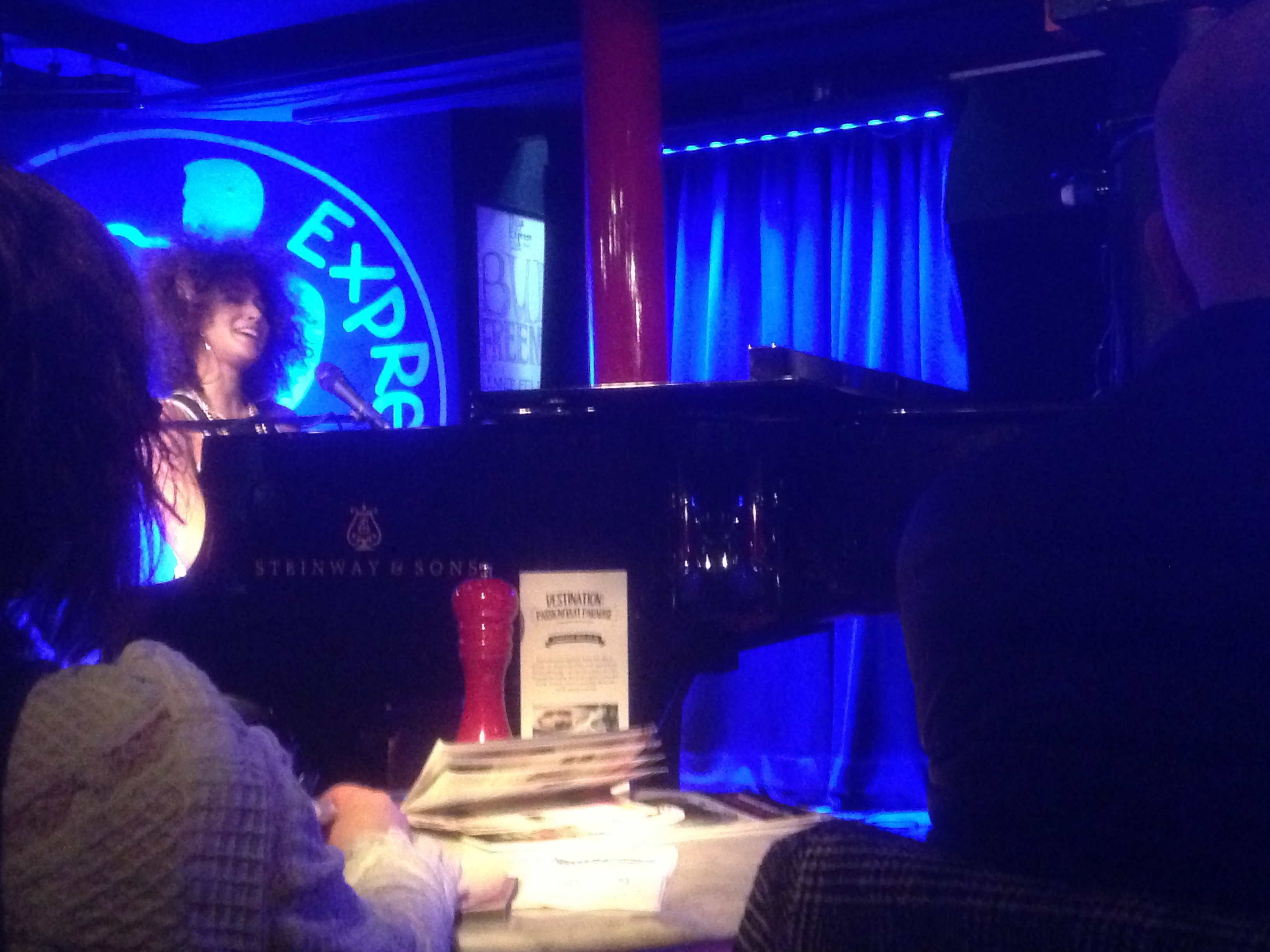
 Somewhere in West London, there is said to be a dealer in second-hand hi-fi equipment whose face lights up every time Brian Eno walks in. Eno’s interest in speakers of all types and sizes was on show this morning in his Notting Hill studio, where a small audience gathered to listen to a 15-channel 3D mix of his new album, The Ship. After the playback, I took the photograph above in order to give a partial sense of the configuration.
 They were only invited at the last minute after their compatriot Mette Henriette had been forced to withdraw from the Jazzahead! festival in Bremen, but the women of Trondheim Voices provided me with what is likely to be the most lasting musical memory from this year’s event. Based in a city famous for the open-minded young musicians produced by the jazz courses taught at its adventurous and well resourced music conservatory, they have been going, with various changes in size and personnel, since 2001. Over the past year they’ve begun to explore the possibilities of individual sound-tailoring devices created by the mixing engineer and sound designer Asle Karstad: the singers wear discreet wireless boxes on their belts, with controls enabling them to modify their own output in real time.
 The pianist Masabumi Kikuchi died last year at the age of 75, mourned by those whose love of jazz is based, at least in part, on the way it offers a home to wandering spirits. It’s clear from the testimony of those who worked with Kikuchi that he wasn’t an easy person, either on himself or on others; his music was the product of an endless pilgrimage towards some sort of essence, some sort of truth, that could not be found in pretty surfaces or routine politeness.
 The beautiful Union Chapel in Islington proved to be the perfect final stop for the Necks’ short UK round of pipe organ concerts last night. They were sharing the series, titled The Secret Life of Organs, with James McVinnie, who opened the evening with two pieces by Philip Glass and two short suites by Tom Jenkinson (better known to electronica fans as Squarepusher).
 Until its re-release this week, I hadn’t seen
 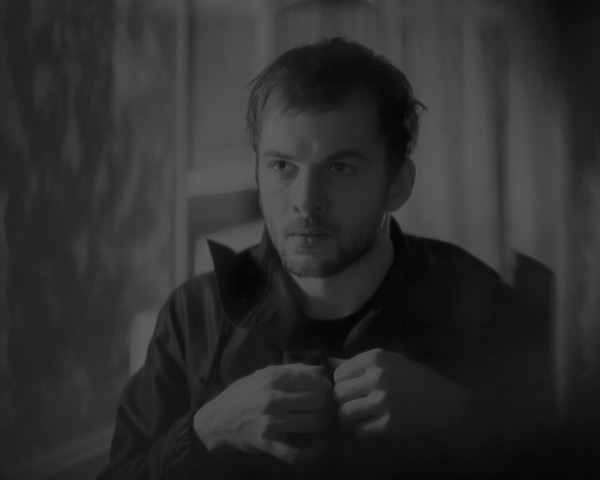 Sebastian Schipper’s Victoria opened in London a couple of weeks ago, a year after it won an award at the Berlin International Film Festival. It’s famous for having been shot in a single 138-minute take. I came away impressed by everything it has to offer, from the direction and the acting by all the young principals to the agile cinematography of Sturla Brandth Grøvlen and, by no means least, the contribution made by Nils Frahm’s soundtrack.
 thebluemoment.com