Liberation Music Orchestra
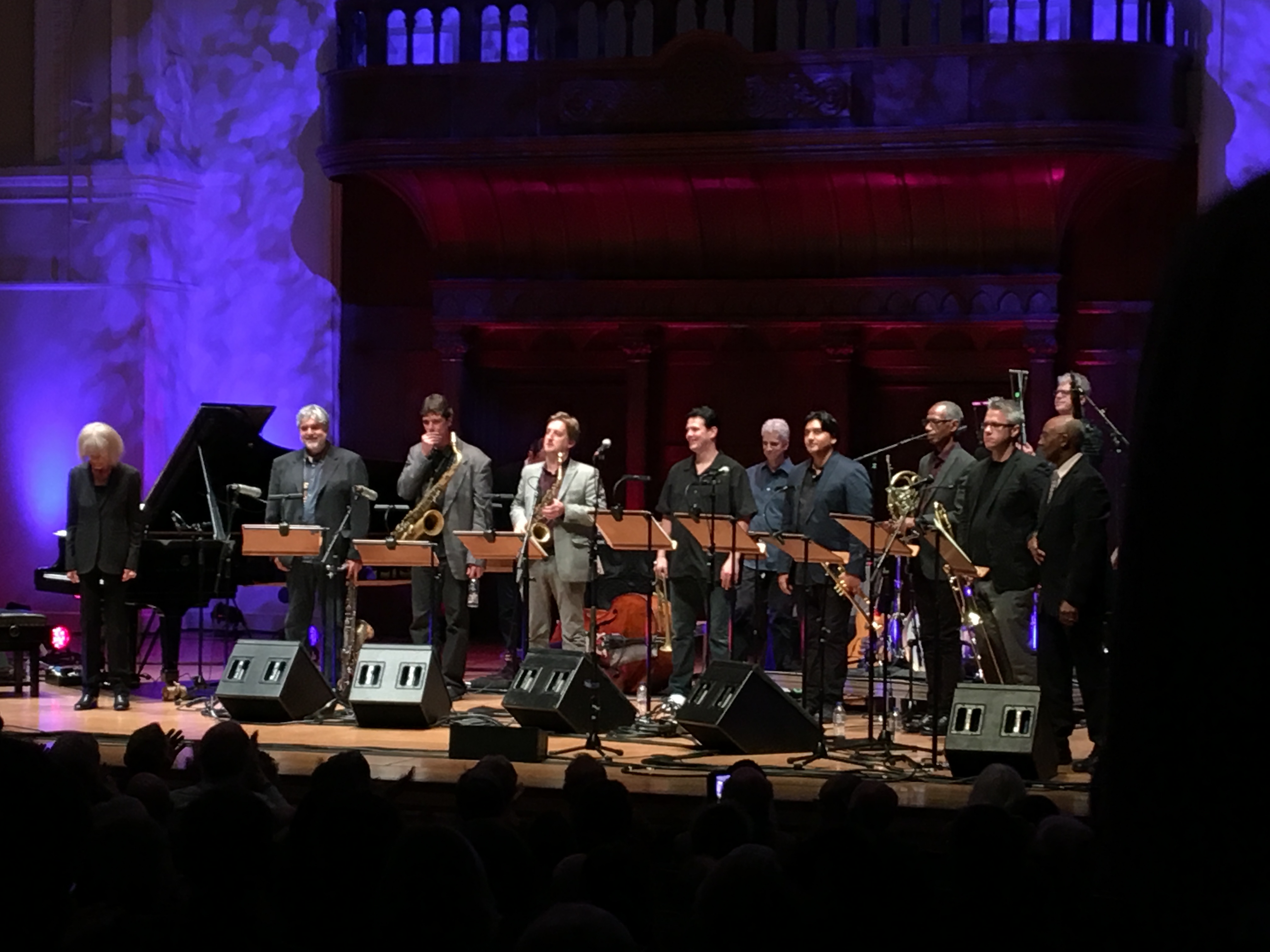 Eight years ago I was fortunate enough to be at the Blue Note in Greenwich Village to hear Charlie Haden’s Liberation Music Orchestra on the night of the US presidential election, and then again the following night after it had been confirmed that Barack Obama would be serving as America’s first black president. The anxious optimism of the first night and the joy and relief of the second could hardly have formed a greater contrast with the current mood of the world, in which the orchestra — minus Charlie, who died two years ago, and now directed by his long-time collaborator Carla Bley — arrived in London to play at Cadogan Hall as part of the EFG London Jazz Festival.
I don’t think I was the only one to find their music even more emotionally charged than usual, which is saying something for a band that began life in 1969 delivering an uncompromising musical protest against the evils of the age, with a line-up including Don Cherry, Gato Barbieri and Roswell Rudd. Tonight’s 90-minute set maintained the tradition by concentrating on the concerns of the hour and consisted of material from their last two studio recordings: Not in My Name (2004) and the new Time/Life (Song for the Whales and Other Beings), the environmental album on which they were working before Haden’s death, and which was completed under Bley’s supervision. All of it resonated powerfully.
The new pieces included Bley’s beautifully plain arrangement of “Blue in Green”, her own “Silent Spring” and Haden’s “Song for the Whales”, which featured a lovely passage for Seneca Black’s trumpet, Tony Malaby’s tenor saxophone, Darak Oles’s double bass and Matt Wilson’s drums. Bill Frisell’s gorgeous, slow-burning “Throughout” made a lovely encore. The evening was sprinkled with fine solos from Malaby and his fellow tenorist Chris Cheek, Loren Stillman on alto, Michael Rodriguez on trumpet, Marshall Gilkes on trombone, Vincent Chauncey on French horn, Earl McIntyre on tuba and Steve Cardenas on guitar. Oles, who perhaps had the hardest gig of the night, did the right thing by playing Haden’s parts and evoking his spirit without trying to be him.
But the heart of the concert came in the long, carefully wrought medley of “America the Beautiful”, “Lift Every Heart and Sing” and Ornette Coleman’s “Skies of America”, and particularly in the arrangement of “Amazing Grace” to which Bley brings every bit of her great and precious expertise at making highly schooled musicians sound like the world’s greatest town brass band. As they played it, investing every note with humanity, I couldn’t help thinking of Obama’s sudden decision, during his address to the funeral of the Reverend Clementa Pinckney, a US senator, at the Emanuel African Methodist Episcopal Church in Charleston, South Carolina in June last year, to sing the song as part of his eulogy to the priest and the eight other victims murdered by a white supremacist during a Bible study class. It’s a different world now.
* Time/Life is out now on the Impulse label.
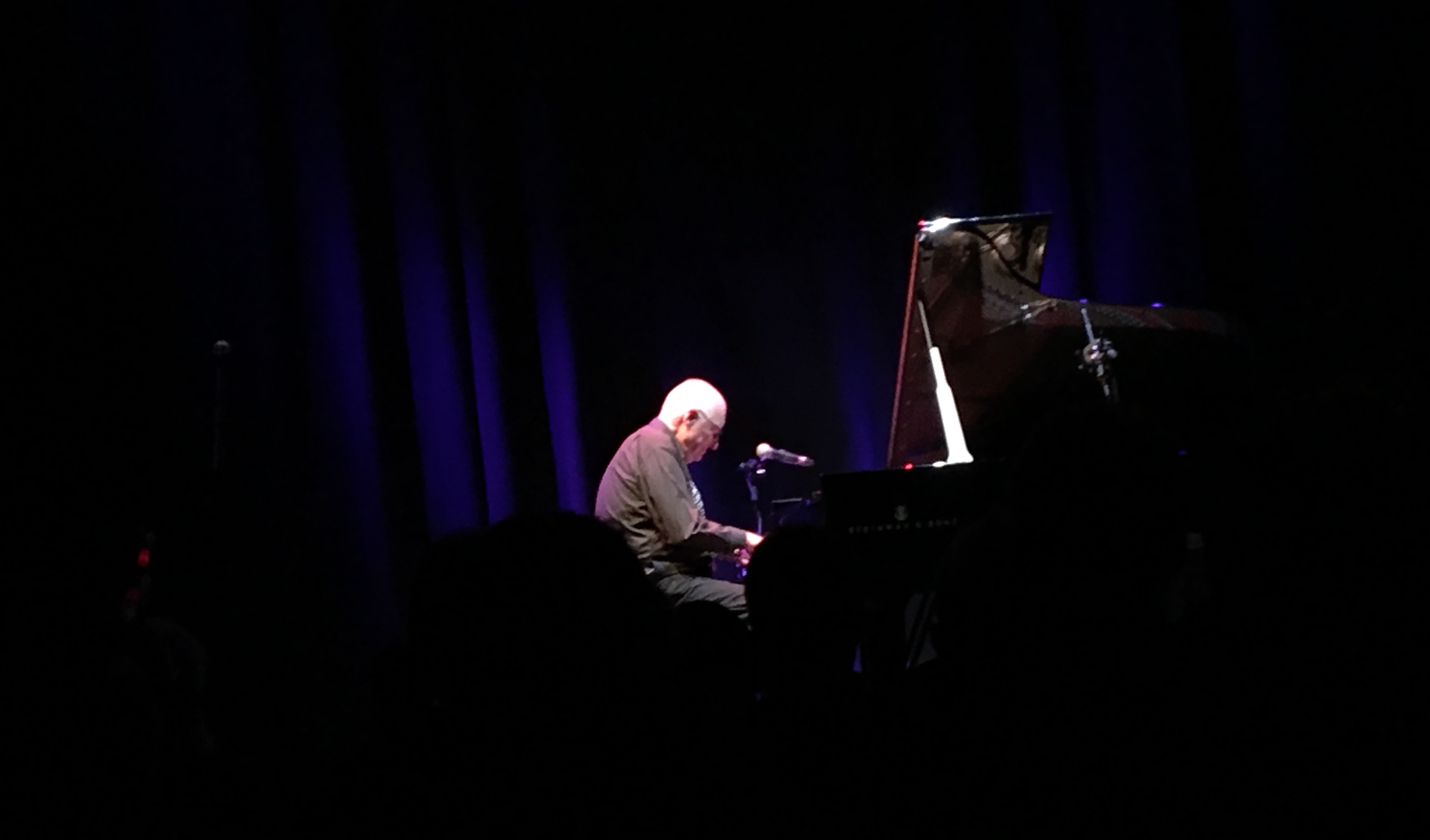 In the days leading up to Mike Westbrook’s solo recital at Kings Place on Saturday afternoon, part of the EFG London Jazz Festival, I’d attended a run of performances by several younger pianists — Kit Downes, Michael Wollny, Giovanni Guidi and Jason Moran — of great reputation and achievement. Spending just over an hour listening to Westbrook as he stitched together songs that have meant much to him over the years provided a useful reminder of what age can bring.
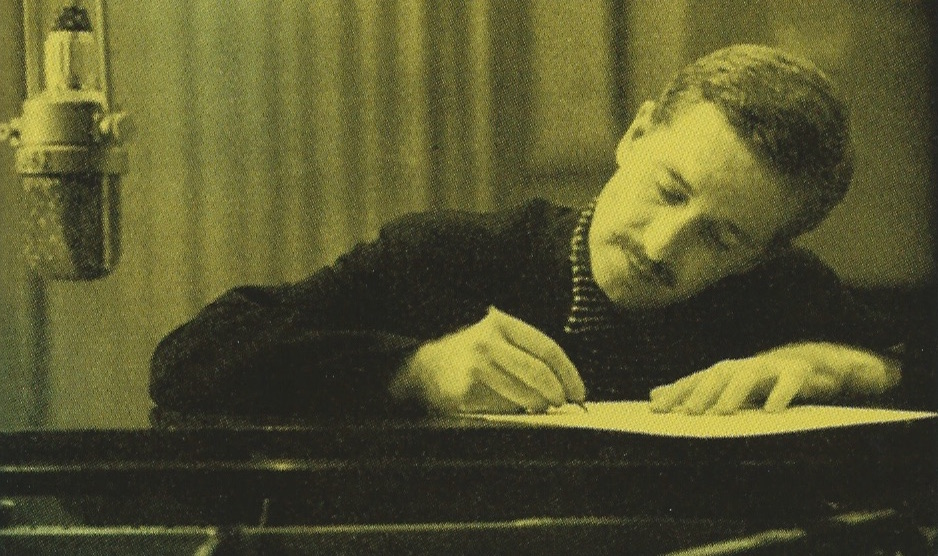 When we were just a bunch of white boys barely out of school, falling in love with the sounds of Muddy Waters, John Lee Hooker, Jimmy Reed and Bo Diddley and wondering if we’d found a language that we could somehow call our own, Mose Allison showed how it could be done. Allison had been born in Mississippi and grew up on a cotton farm, the son of a piano-playing general store owner and a schoolteacher. He had a directly acquired knowledge of the culture of African American people, and he knew that the way to adopt their language while retaining some sort authenticity was to be yourself. Among those who learnt that lesson were Georgie Fame and Pete Townshend.
 As I was on the way to see the blockbuster Abstract Expressionism show at the Royal Academy the other day, it was pointed out that jazz and AbEx seem to share a special relationship. I suppose that has something to do with synchronicity. Franz Kline and Mark Rothko were creating their revolutionary canvases at the same time as Charlie Parker and Thelonious Monk were making the music that changed everything, and the two developments seemed to share a sensibility. It’s easy to imagine Kline or Rothko playing “Ornithology” or “Well, You Needn’t” while working on a canvas in a Greenwich Village studio.
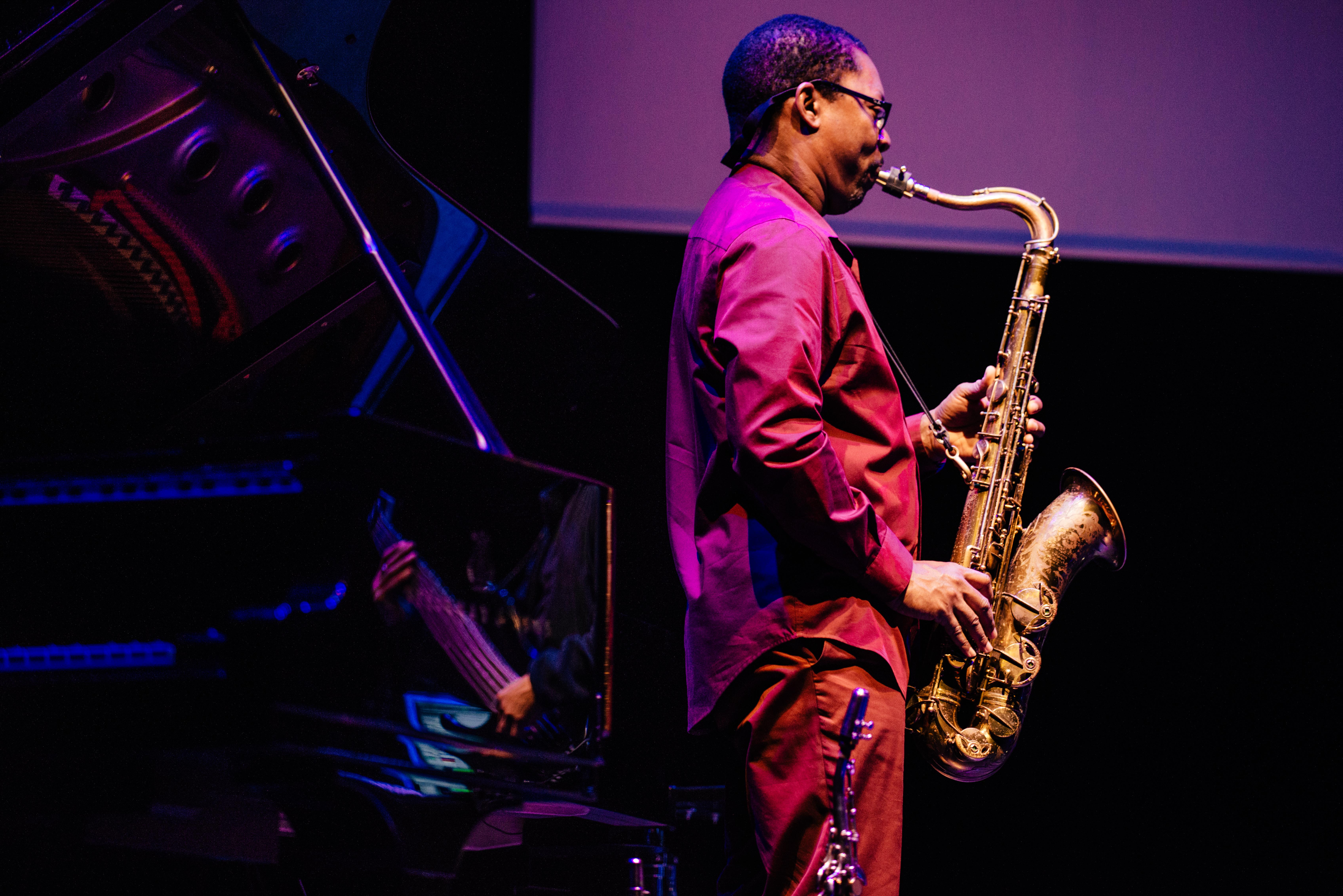 Probably I’m not supposed to write about the music at a festival I curate, but something happened in Berlin on Saturday night that made me want to ignore the rules of etiquette. It occurred during the hour-long set by the trio of Jack DeJohnette, Ravi Coltrane and Matthew Garrison, when they slipped into the theme written by John Coltrane as a response to the deaths of four schoolgirls — Addie Mae Collins, Cynthia Wesley, Carole Robertson and Carol Denise McNair, all aged between 11 and 14 — in the bombing of the 16th Street Baptist Church in Birmingham, Alabama by white supremacists on September 15, 1963.
 The other day I read two stories about famous people’s homes. One was about the house in Austria in which Adolf Hitler was born. Finally the authorities are thinking of razing it to the ground, to prevent its use as a neo-Nazi pilgrimage site (although they’re nervous about it being interpreted as an attempt to erase the country’s dark past). The other was about Buddy Bolden’s house in New Orleans, which is lying derelict in the grounds of a mega-church and could be demolished at any moment to make way for car parking.
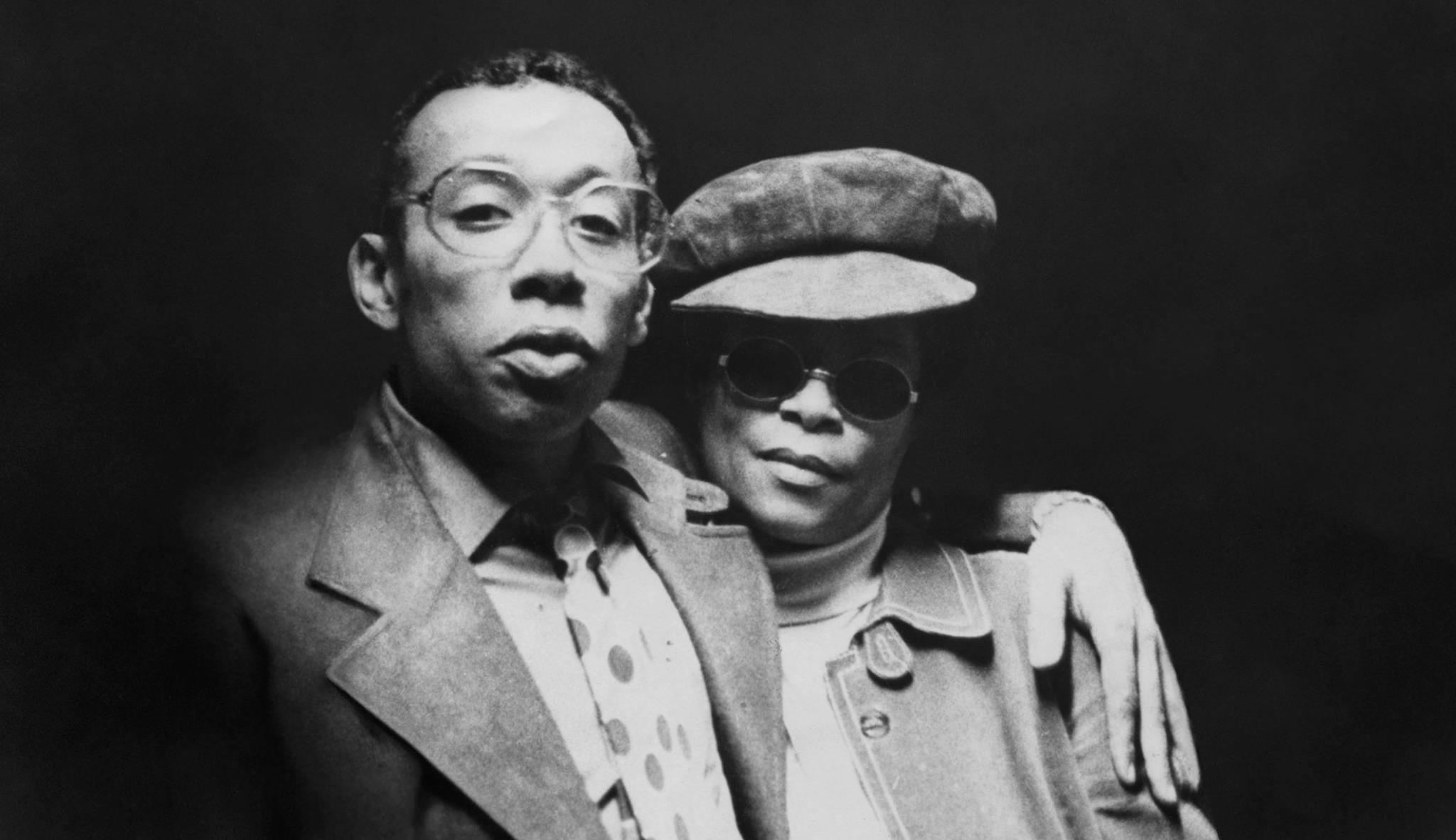 Two voices dominate I Called Him Morgan, Kasper Collin’s new documentary about the trumpeter Lee Morgan, which was screened at the weekend as part of the London Film Festival. The first is that of Morgan’s horn, of course. The second is that of Helen Moore, who rescued him from heroin addiction in the late ’60s and then, seemingly driven to distraction by his infidelity, shot him dead in front of his own audience at Slugs’ Saloon on New York’s Lower East Side one midwinter night in 1972.
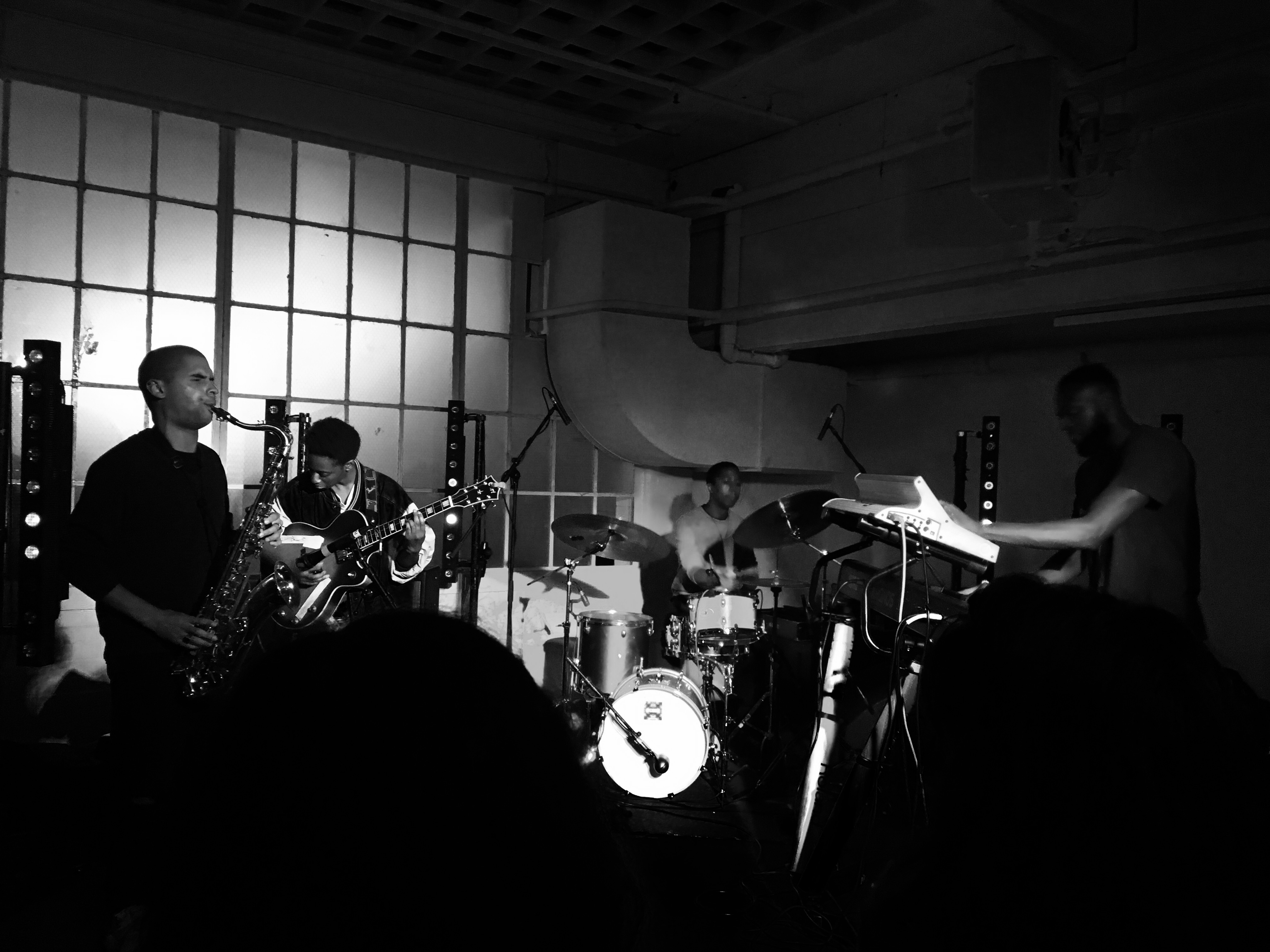 It’s Frieze week in London, meaning that the streets of the more fashionable quarters of the city are thronged with art people. Last night some of them made their way to a party thrown by the Timothy Taylor Gallery in a Soho basement beneath the Phonica vinyl record shop on Poland Street, where the music was provided by a quartet under the leadership of the drummer Moses Boyd.
 Orphy Robinson must have known he’d had a great idea when he put together an octet to celebrate the music of the late
  Philip Clemo did well to attract Arve Henriksen not only to play on his sixth album but to participate as a member of the octet that launched Dream Maps in Kings Cross last night. The Scottish-born guitarist and composer’s work was greatly enhanced by the contribution of the Norwegian trumpeter and singer, who proved himself an excellent team player as Clemo’s soundscapes unfolded beneath a screen on which film of tundras, mountains and oceans gave an indication of the music’s subtexts.


