Mike Westbrook at the piano
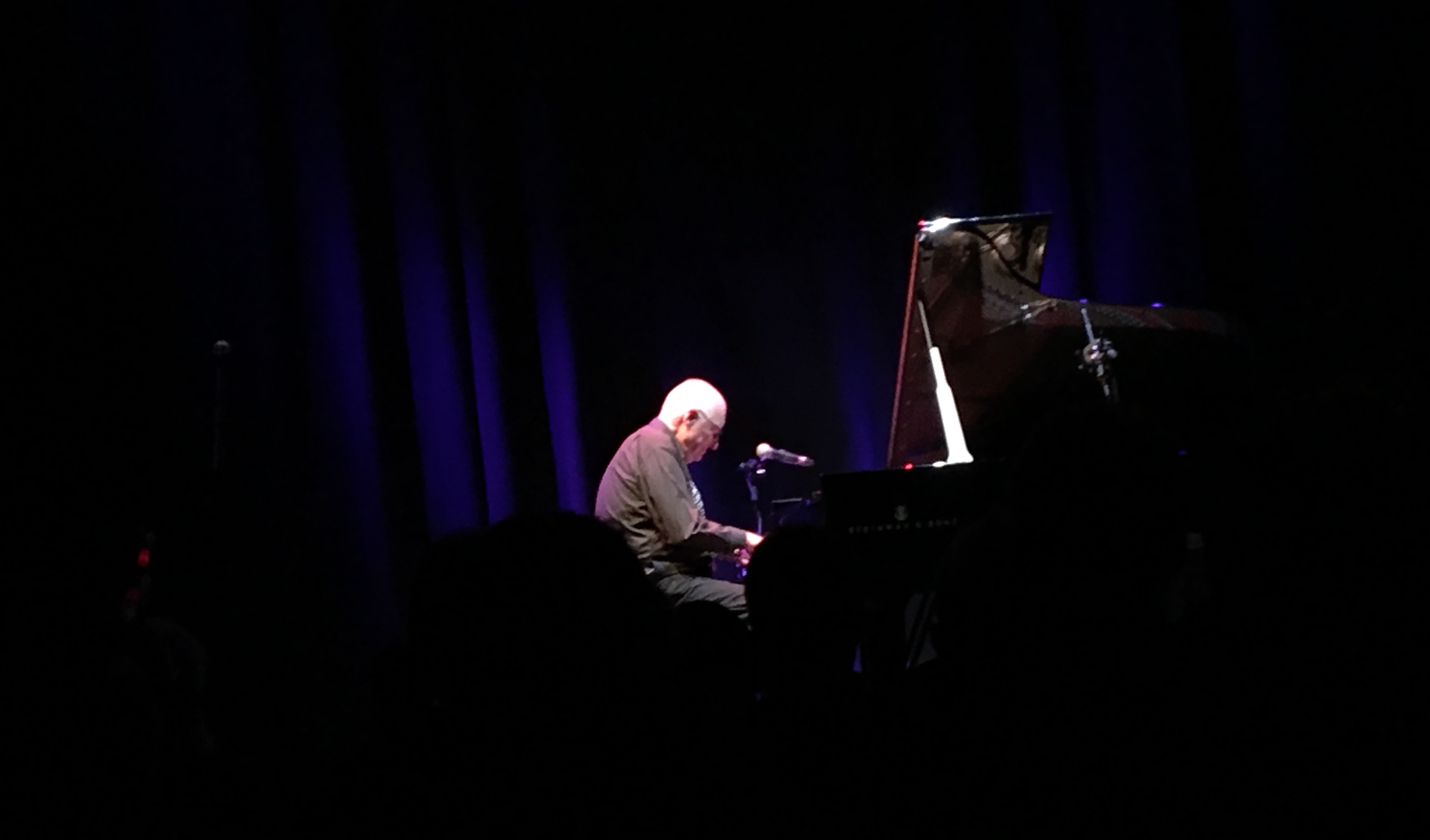 In the days leading up to Mike Westbrook’s solo recital at Kings Place on Saturday afternoon, part of the EFG London Jazz Festival, I’d attended a run of performances by several younger pianists — Kit Downes, Michael Wollny, Giovanni Guidi and Jason Moran — of great reputation and achievement. Spending just over an hour listening to Westbrook as he stitched together songs that have meant much to him over the years provided a useful reminder of what age can bring.
Westbrook turned 80 this year. Afterwards, in conversation with Philip Clark, he spoke of the way a prolonged examination can change the material: “a deep process”, he called it, and one which he applied with equal success to songs by Duke Ellington (“Sophisticated Lady”) and Thom Bell (“You Make Me Feel Brand New”) and to pieces from his own pen, including some from his works inspired by Blake, Goethe and Lawrence.
“You don’t have too much respect for the material,” he observed. “You use it. You find harmonies that interest you more than the original. You layer one chord on top of another to make it more magical, or more beautiful, or even to throw a spanner in the works. But it’s not random. It’s logical.” The reharmonisation of some of these pieces was striking. “It’s no secret,” Westbrook said, “that when you’re writing arrangements at the piano, you become a master at holding down chords while you reach for a pen to write them down. I’ve developed a piano style almost out of that.”
It’s his version of what used to be called “arranger’s piano”, the spare approach associated with Tadd Dameron and Gil Evans, among others. And you could hear very specifically what he meant when he struck thick, dark chords and allowed them to resonate and bounce off the lid of the 7ft Steinway Model B in the silence between “You Make Me Feel Brand New” and “A Nightingale Sang in Berkeley Square”.
The mood was reflective, sometimes elegiac, particularly when he included a First World War poem in the first of the long, loosely themed sequences into which the recital was divided. Throughout the hour I loved the sense of a man playing these pieces for the thousandth time but still searching for new angles, new shapes, and new combinations of notes with which to deepen his investigation of their wordless essence. There was not a wasted note, not a superfluous gesture, not the tiniest hint of display for its own sake.
Much of the programme reflected the structure of his new solo album, which is titled Paris and was recorded earlier this year in an art gallery and performance space near the Porte d’Orléans. In his online notes to the album (to be found at http://www.westbrookjazz.co.uk), he says this while introducing the sequence of pieces grouped under the heading of Bar Room Music: “I often enjoy playing the piano in a crowded room where people are talking. Though almost no one is paying any attention to the music, it nevertheless affects the general atmosphere.”
Those words reinforce his strong sense of the social function of music, made explicit in the past in the work he and his wife Kate have done with street theatre groups and with their brass band. But the Kings Hall recital was at the opposite end of the spectrum: a carefully focused performance in an optimum listening environment, in front of a rapt full house. As always with Westbrook, a massive authority was lightly worn– but its presence was never in doubt, and the result was unforgettable.
* Paris is out now on the ASC label.
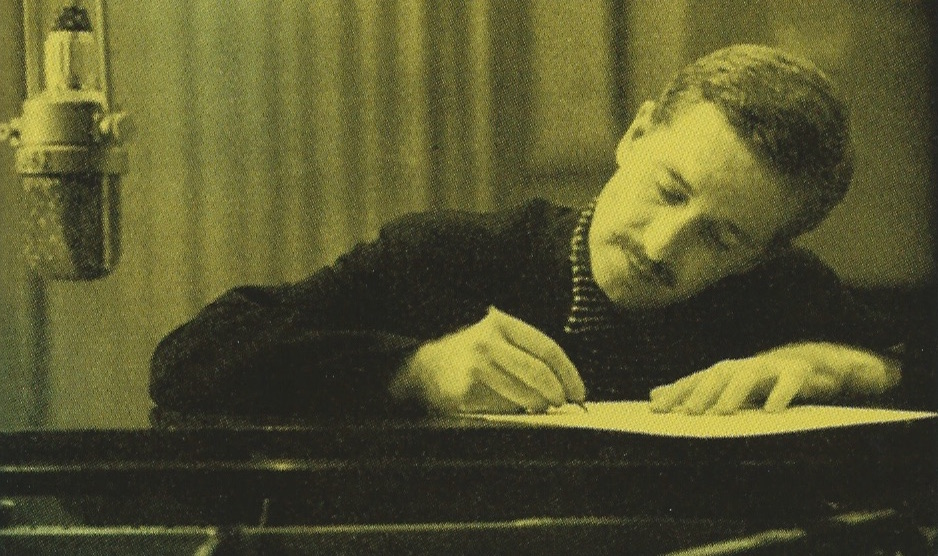 When we were just a bunch of white boys barely out of school, falling in love with the sounds of Muddy Waters, John Lee Hooker, Jimmy Reed and Bo Diddley and wondering if we’d found a language that we could somehow call our own, Mose Allison showed how it could be done. Allison had been born in Mississippi and grew up on a cotton farm, the son of a piano-playing general store owner and a schoolteacher. He had a directly acquired knowledge of the culture of African American people, and he knew that the way to adopt their language while retaining some sort authenticity was to be yourself. Among those who learnt that lesson were Georgie Fame and Pete Townshend.
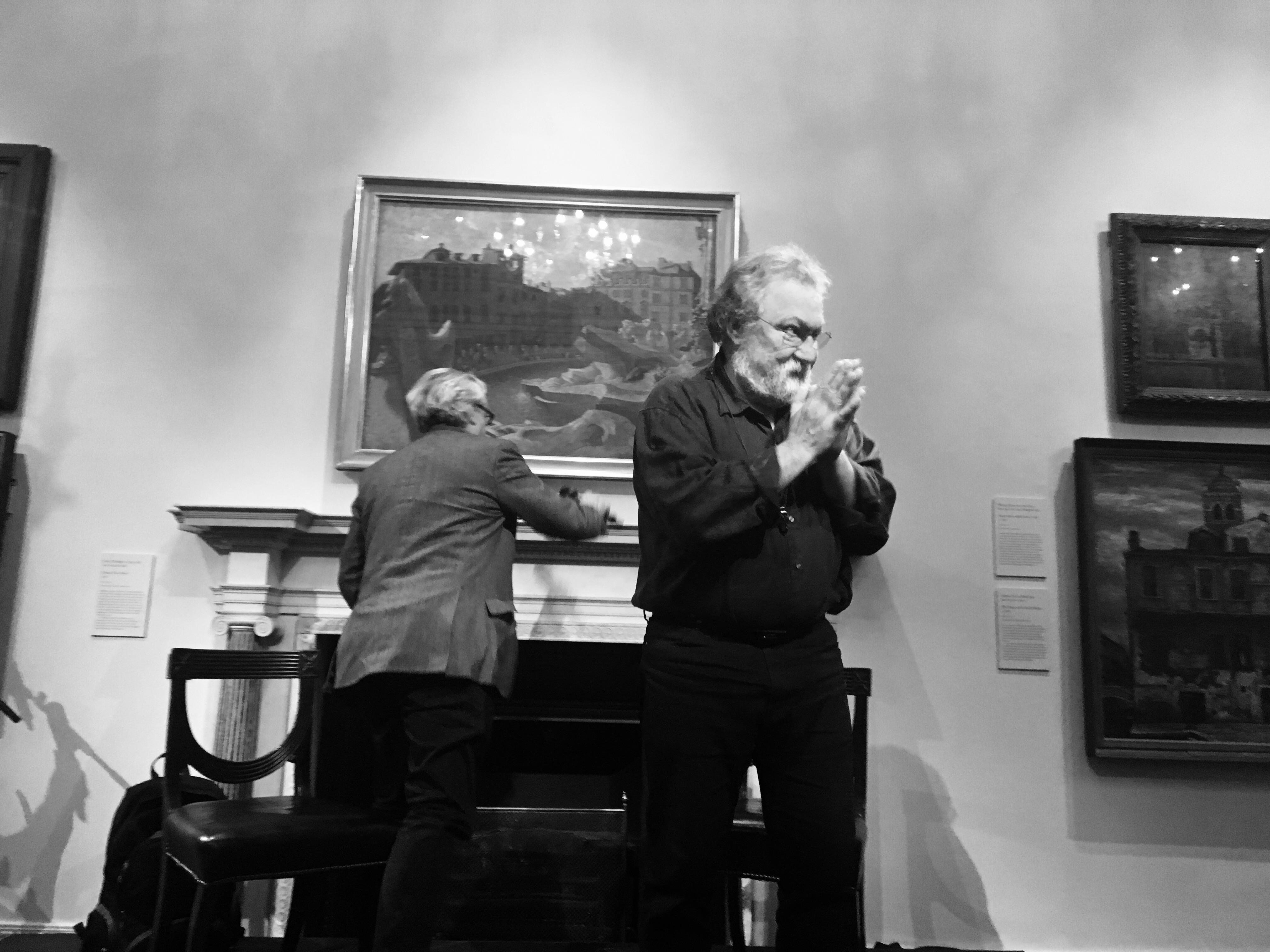 As I was on the way to see the blockbuster Abstract Expressionism show at the Royal Academy the other day, it was pointed out that jazz and AbEx seem to share a special relationship. I suppose that has something to do with synchronicity. Franz Kline and Mark Rothko were creating their revolutionary canvases at the same time as Charlie Parker and Thelonious Monk were making the music that changed everything, and the two developments seemed to share a sensibility. It’s easy to imagine Kline or Rothko playing “Ornithology” or “Well, You Needn’t” while working on a canvas in a Greenwich Village studio.
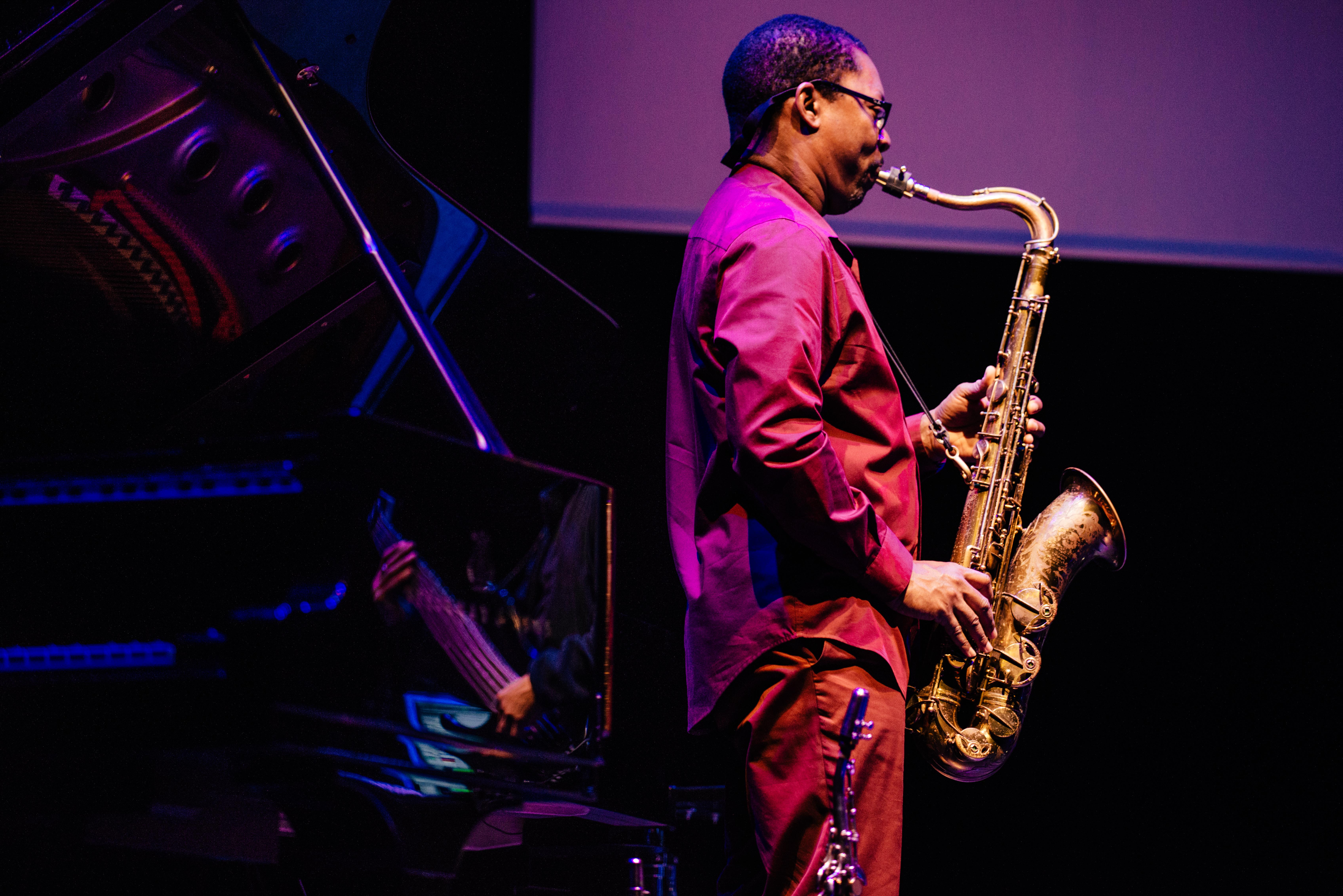 Probably I’m not supposed to write about the music at a festival I curate, but something happened in Berlin on Saturday night that made me want to ignore the rules of etiquette. It occurred during the hour-long set by the trio of Jack DeJohnette, Ravi Coltrane and Matthew Garrison, when they slipped into the theme written by John Coltrane as a response to the deaths of four schoolgirls — Addie Mae Collins, Cynthia Wesley, Carole Robertson and Carol Denise McNair, all aged between 11 and 14 — in the bombing of the 16th Street Baptist Church in Birmingham, Alabama by white supremacists on September 15, 1963.
 The other day I read two stories about famous people’s homes. One was about the house in Austria in which Adolf Hitler was born. Finally the authorities are thinking of razing it to the ground, to prevent its use as a neo-Nazi pilgrimage site (although they’re nervous about it being interpreted as an attempt to erase the country’s dark past). The other was about Buddy Bolden’s house in New Orleans, which is lying derelict in the grounds of a mega-church and could be demolished at any moment to make way for car parking.
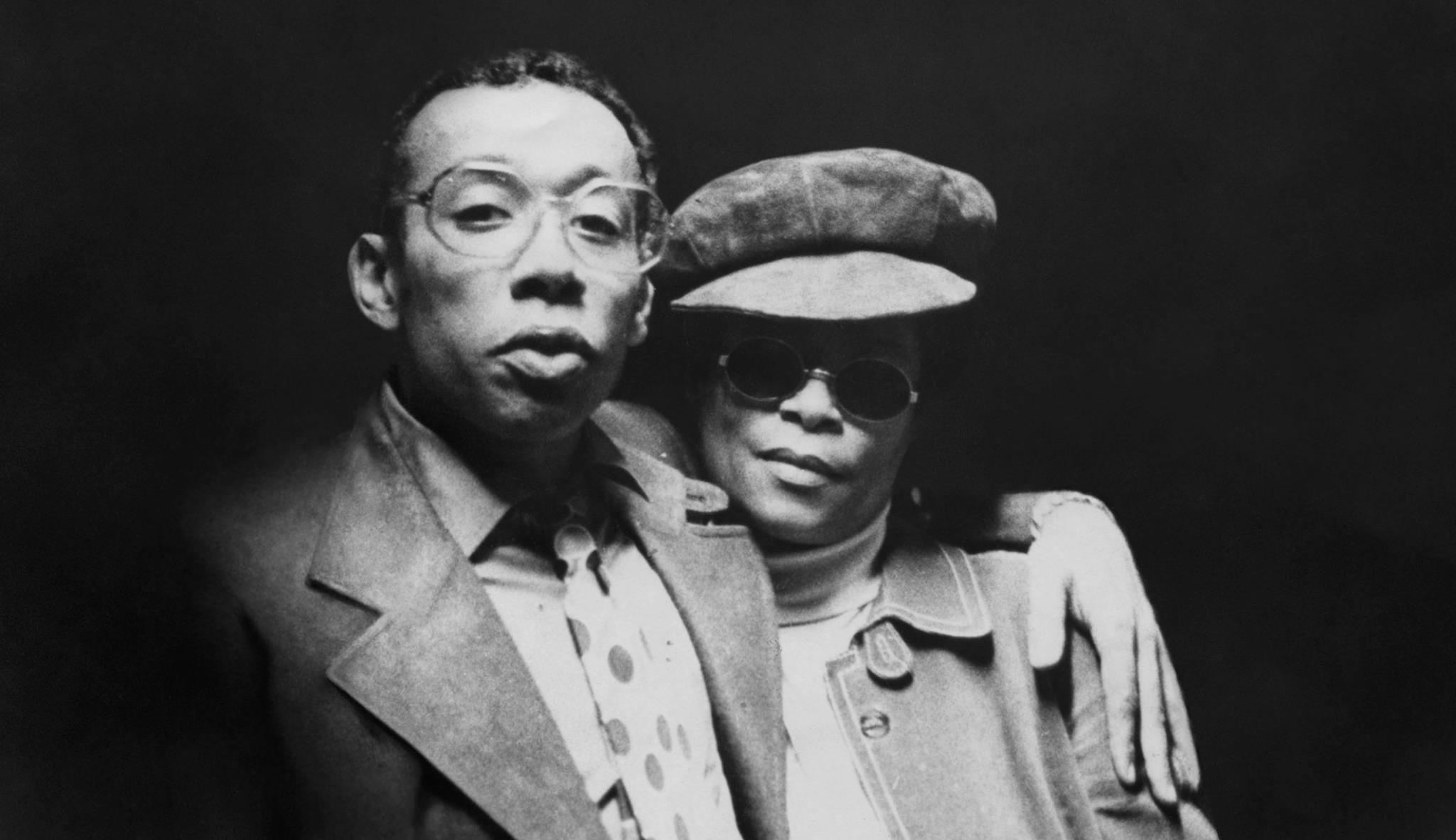 Two voices dominate I Called Him Morgan, Kasper Collin’s new documentary about the trumpeter Lee Morgan, which was screened at the weekend as part of the London Film Festival. The first is that of Morgan’s horn, of course. The second is that of Helen Moore, who rescued him from heroin addiction in the late ’60s and then, seemingly driven to distraction by his infidelity, shot him dead in front of his own audience at Slugs’ Saloon on New York’s Lower East Side one midwinter night in 1972.
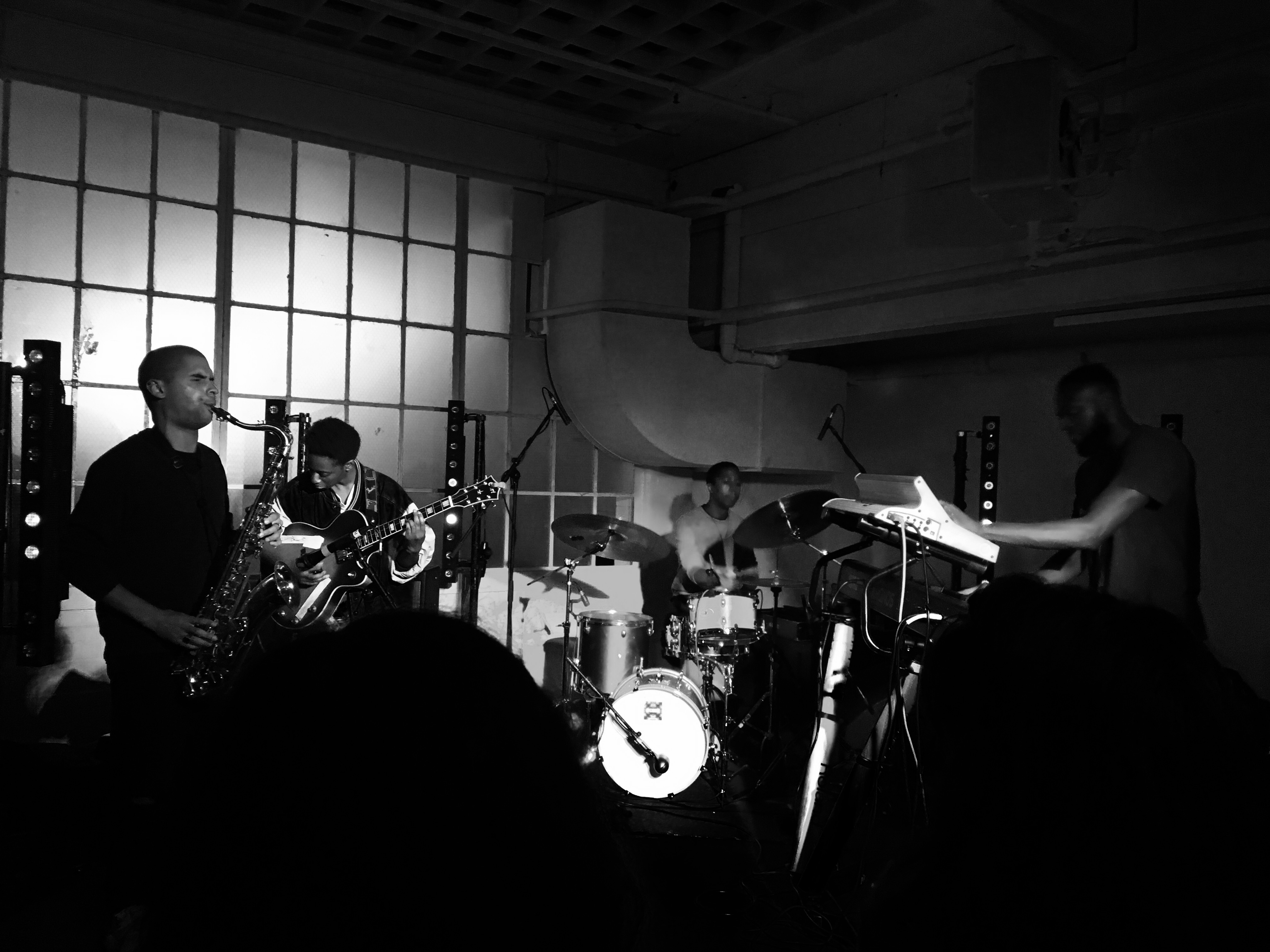 It’s Frieze week in London, meaning that the streets of the more fashionable quarters of the city are thronged with art people. Last night some of them made their way to a party thrown by the Timothy Taylor Gallery in a Soho basement beneath the Phonica vinyl record shop on Poland Street, where the music was provided by a quartet under the leadership of the drummer Moses Boyd.
 Orphy Robinson must have known he’d had a great idea when he put together an octet to celebrate the music of the late
  Philip Clemo did well to attract Arve Henriksen not only to play on his sixth album but to participate as a member of the octet that launched Dream Maps in Kings Cross last night. The Scottish-born guitarist and composer’s work was greatly enhanced by the contribution of the Norwegian trumpeter and singer, who proved himself an excellent team player as Clemo’s soundscapes unfolded beneath a screen on which film of tundras, mountains and oceans gave an indication of the music’s subtexts.
 So I’m wandering into Mayfair on Monday, on my way to the launch party for this year’s EFG London Jazz Festival, and I have 10 minutes to spare. On Dover Street there’s an antiquarian book shop called Peter Harrington. I’ve never been in there before but there’s some nice stuff in the window so I open the door.
 thebluemoment.com

