Gary Peacock: The place of the bass
 Right from the earliest days of jazz, its musicians have humanised the instruments on which they play, particularly those instruments whose identities were formed in the European classical tradition. If the phenomenon is most obvious with members of the brass and reed families, it is no less true of instruments that do not depend on breath to generate their sound. And next to Charles Mingus and Charlie Haden, the musician who most clearly imbues the double bass with the inflections of the human voice is Gary Peacock, who celebrates his 80th birthday tomorrow.
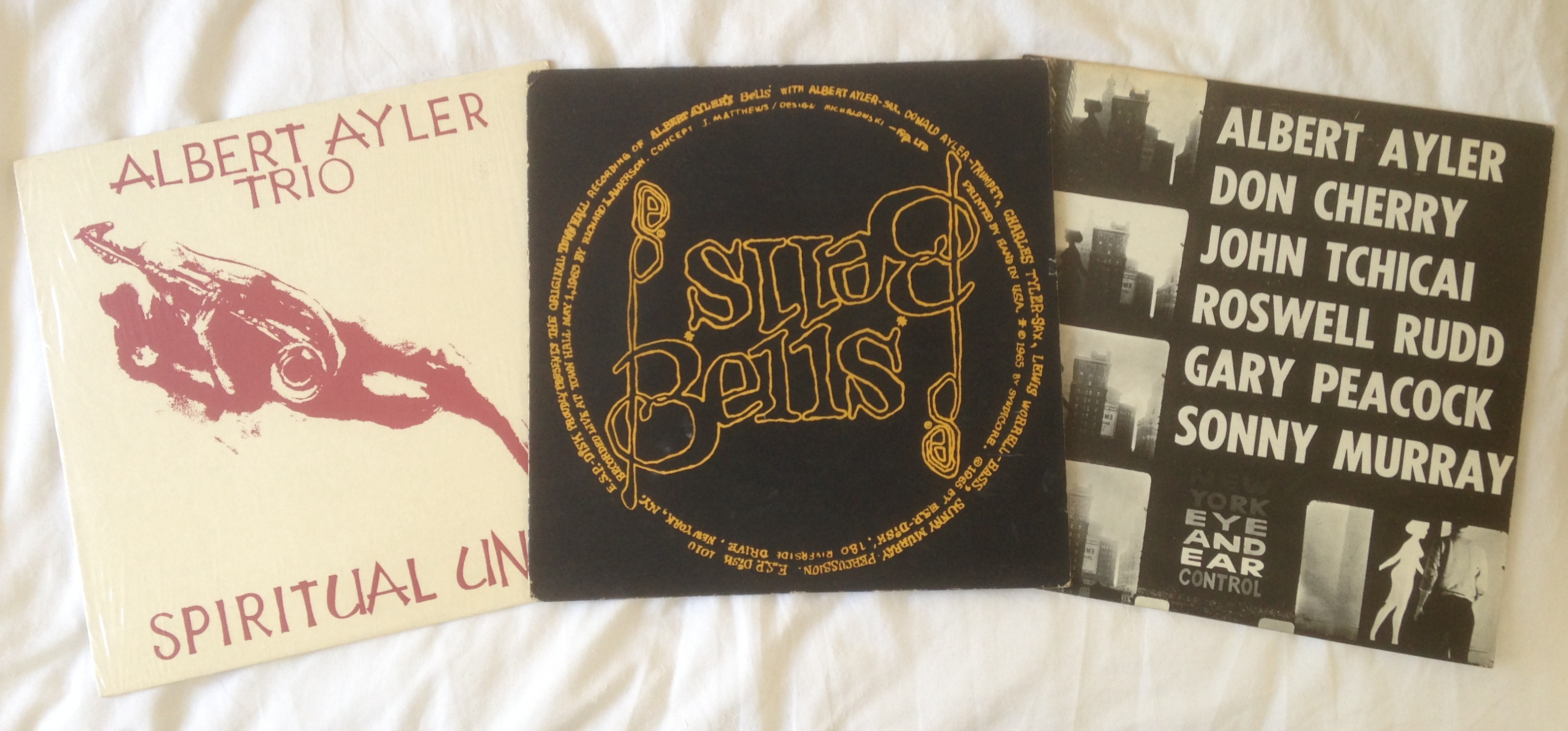
What is impossible to miss in Peacock’s playing is a profound emotional weight, expressed with a lightness of touch, a lithe, sinewy phrasing and a lyricism reaching far beyond that term’s usual connotations. He has always seemed to be as comfortable playing free jazz with Albert Ayler and Sunny Murray (on the world-changing Spiritual Unity in 1964) as finding new angles on the show tunes and jazz classics he plays with Keith Jarrett and Jack DeJohnette, his fellow members of the long-lived Standards Trio.
He was born in Burley, Idaho on May 12, 1935, and came late to the bass, after studying piano and percussion at music college in Los Angeles. It was with a US Army band in Germany that he first picked it up, aged 21, and — according to a recent interview — “just sort of figured it out” for himself, a remark that gives no hint of the great sophistication of his playing but might explain its prevailing air of naturalness.
In 1962, while still based in Los Angeles, he made his recording debut with the quartet of the trumpeter Don Ellis and the trio of the pianist Clare Fischer. The first time I heard his work was on Tony Williams’s great Life Time album in 1964, where he, Richard Davis and Ron Carter were the three bassists, and he suffered not at all from the comparison. He was on Williams’s equally brilliant follow-up, Spring, alongside Wayne Shorter and Sam Rivers. Then came Spiritual Unity and the quartet Ayler co-led with Don Cherry. With Bill Evans on Trio 64, Peacock confirmed his standing as the natural heir to the late Scott LaFaro, whose dexterity and imagination he shared, and worked for the first time with Paul Motian.
The piano trio has always been the context in which he is most likely to be found, whether with Paul Bley, Masabumi Kikuchi or Marilyn Crispell, the line-up most often completed by Motian until the drummer’s death in 2011. Now This, the new album released to coincide with Peacock’s birthday, is also by a trio, featuring the pianist Marc Copland, a long-time associate, and the drummer Joey Baron.
Recorded in Oslo in the summer of 2014, it includes seven of Peacock’s compositions, some of them familiar from earlier versions. The striking “Moor”, for example, was first recorded with Bley and Motian in 1968, followed two years later by a reading with Kikuchi and the drummer Hiroshi Murakami on an album called Eastward, recorded for CBS/Sony in Tokyo. The restless “Requiem” made its debut in 1971 at a further session in Tokyo with Kikuchi and Murakami, released on an album titled Voices; later it was featured on other albums, including Crispell’s Amaryllis, and with other instrumentations.
I mention those two Japanese albums because they are relatively obscure but outstanding, particularly Eastward. So is a third album recorded during the several years that Peacock spent in Japan: Silver World, in which the trio were joined by the shakuhachi virtuoso Hozan Yamamoto; here’s part of the lovely title track, and here’s a piece called “Stone Garden of Ryoan Temple”.
Perhaps it’s too obvious to suggest that Peacock’s study of Zen philosophy exerted a significant influence on his music, which exudes a wonderful sense of calmness and balance even at its most complex and impassioned. Going back and listening to his pre-Japan records, however, you’d have to say that it was there from the beginning: a defining characteristic of a remarkable musician who still, on the evidence of Now This, has much to say.
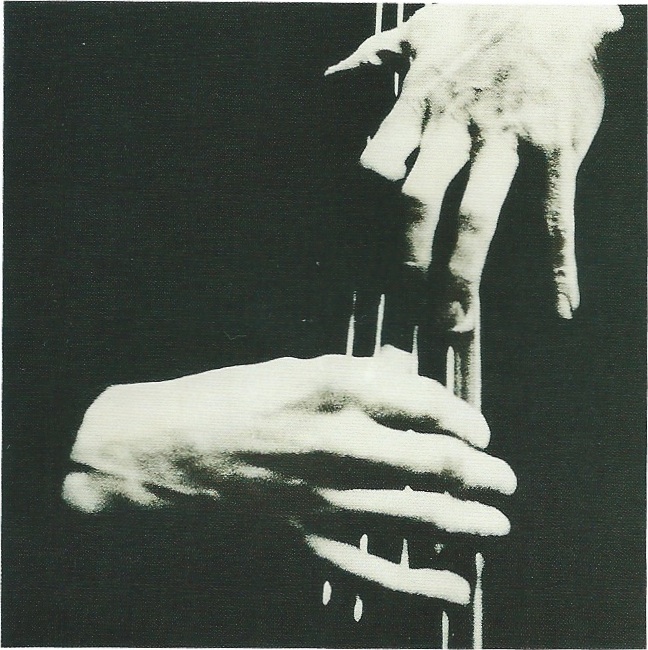
* The photograph of Gary Peacock’s hands is from the sleeve of Eastward, recorded and and first released in 1970. Now This is released tomorrow by ECM Records.






 thebluemoment.com