Connecting with Empirical
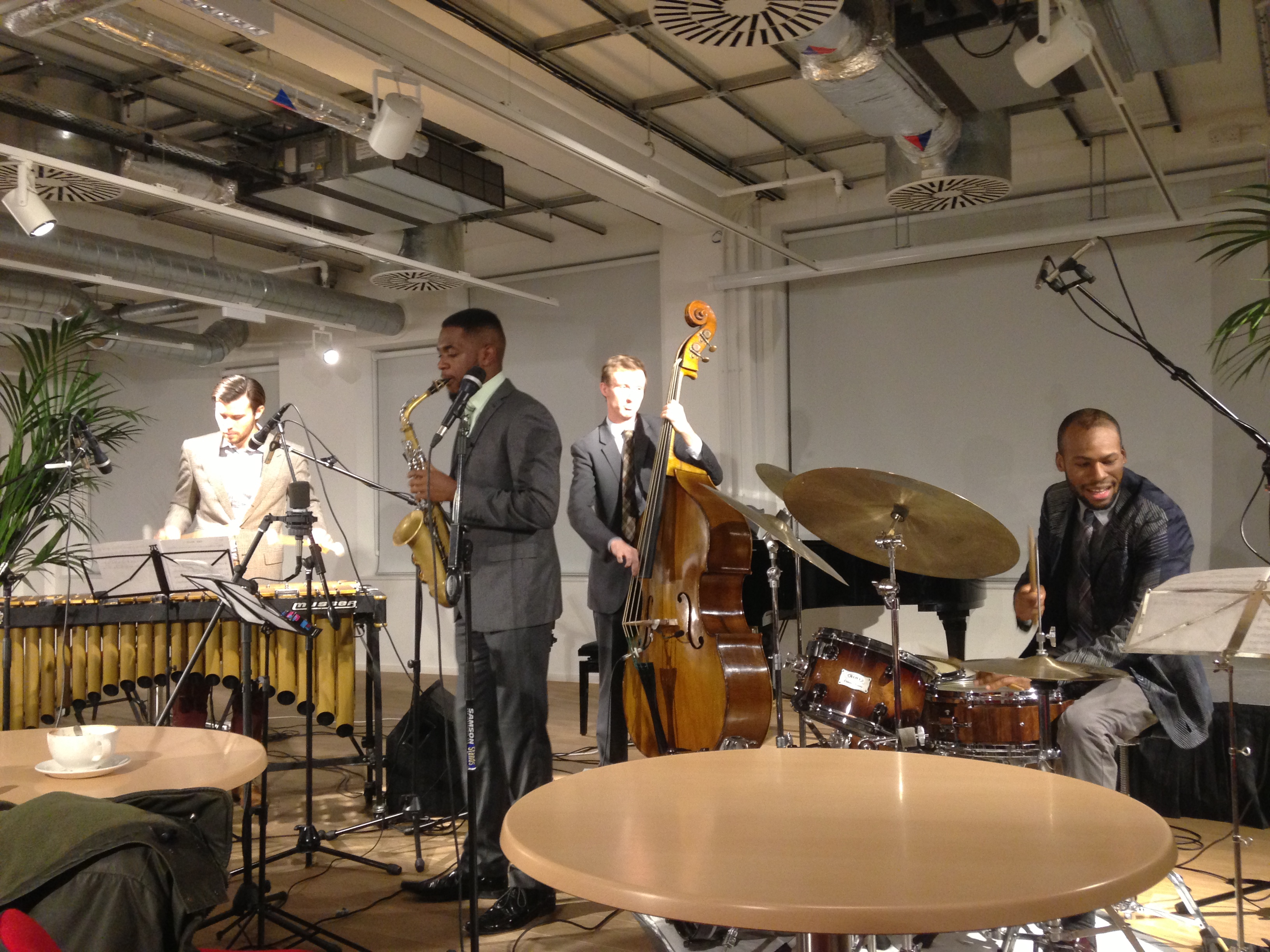
How many great modern jazz ballads are there? I’m not thinking of the kind of American Songbook standards, such as “Body and Soul” or “Lush Life”, that have offered their melodies and chord sequences to jazz improvisers over the decades. I’m thinking of strictly instrumental pieces written by jazz musicians: things like Monk’s “Round Midnight”, Benny Golson’s “I Remember Clifford”, Bill Evans’s “Blue in Green”, Elmo Hope’s “Mirror-Mind Rose”, Stan Tracey’s “Starless and Bible-Black”, or Dudu Pukwana’s “B My Dear”.
There’s one on Empirical’s new album. It’s called “Lethe”, written by the band’s vibraphone-player, Lewis Wright. It starts with soft chimes and Tom Farmer’s double bass in a rising four-note pattern, Shaney Forbes’s pattering mallets on his tom-toms introducing an exposed theme for Nathaniel Facey’s plaintive alto saxophone. Facey’s subsequent improvisation slips easily in and out of double and triple time, encouraging the others to get busier and thicken the textures, but the band never loses the enraptured mood of the theme, which turns the whole seven-minute piece into a complete and very elegant construction, rather than something that just happened.
I’ve heard them play it two or three times in various settings over the past year, along with some of the other new material, and one of the things that strikes me about the album, which is titled Connection, is the way they’ve not only captured the spirit of their live performances in the studio but even taken the process a step further.
The band’s fifth release continues their 10-year exploration of the kind of jazz first measured out in those Blue Note albums of the mid-’60s — by Andrew Hill, Eric Dolphy, Bobby Hutcherson and others — that took bebop in a late-modernist direction, very harmonically and rhythmically demanding, avoiding the easier options offered by post-Kind of Blue modal jazz. The music is challenging, often superficially austere and angular, but never academic or unfriendly. The 10 compositions by Facey, Wright and Farmer come at the idiom from a variety of angles, offering plenty of light and shade and exploiting the basic tonal palette and their internal relationships to the full.
They can do many things extremely well, and one of them is swing. Forbes’s drumming on two of Farmer’s tunes, “Driving Force” and “Card Clash”, creates classic triplet-based propulsion of the highest quality, establishing a really inspiring platform for the soloists. By contrast, Farmer’s “The Maze” explores a favourite trick of Miles Davis’s second great quartet by having the lead voices — Facey and Wright — stick to a measured written theme while the rhythm instruments are allowed complete freedom to invent. Wright’s closing “It’s Out of Our Hands” brings their innate lyricism back to the surface, with passages utilising a great asymmetrical Latin groove.
Exceptionally well recorded by Richard Woodcraft at RAK Studios in London, and mixed by Alex Bonney, this is a staggeringly good album that stands comparison with the very best of jazz in the 21st century. And from the way “Lethe” has lodged itself in my head over the past 12 months, I’d say that one deserves to become a classic.
* The photograph of Empirical was taken at Foyle’s in London last year.
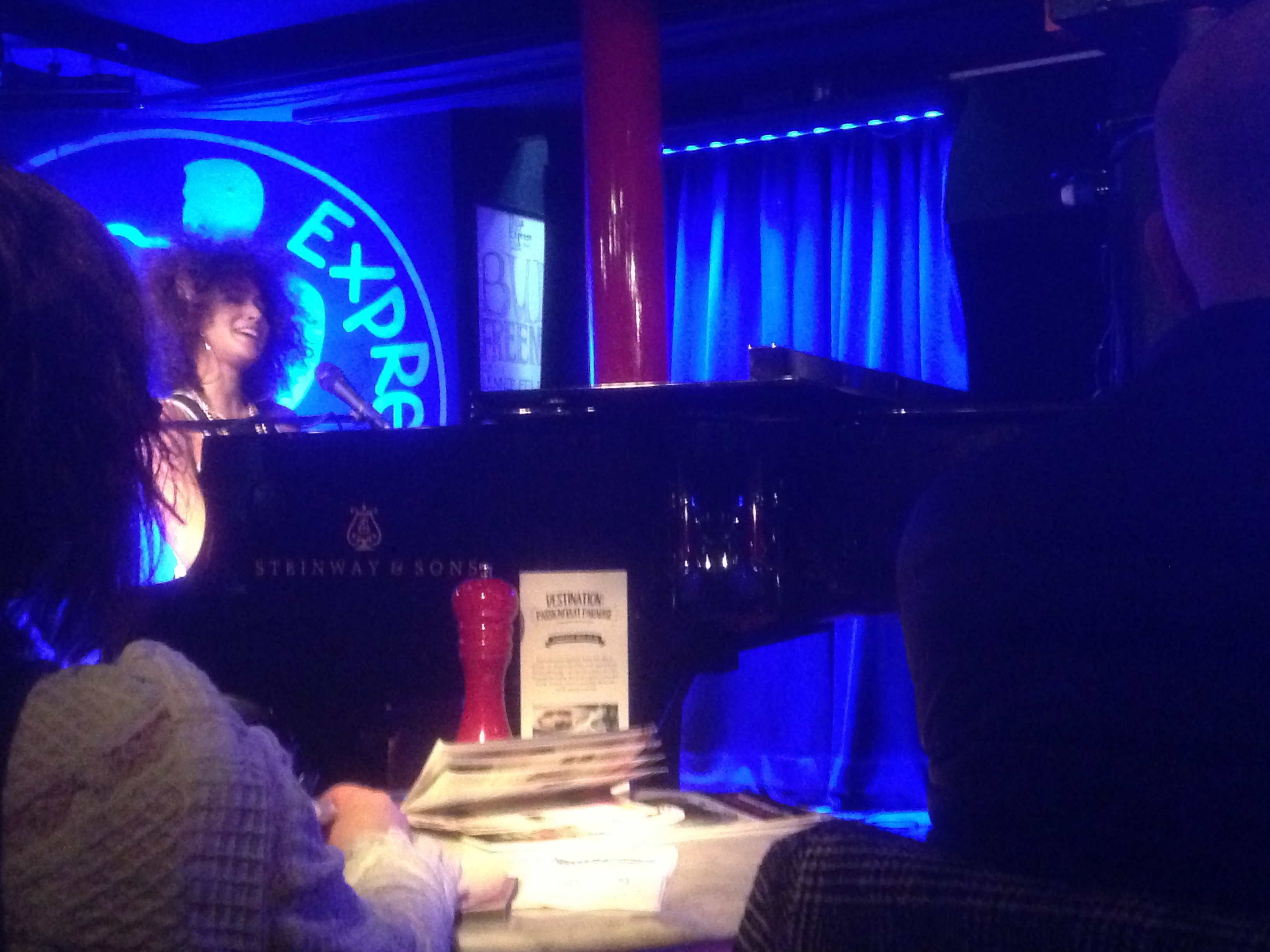
 Somewhere in West London, there is said to be a dealer in second-hand hi-fi equipment whose face lights up every time Brian Eno walks in. Eno’s interest in speakers of all types and sizes was on show this morning in his Notting Hill studio, where a small audience gathered to listen to a 15-channel 3D mix of his new album, The Ship. After the playback, I took the photograph above in order to give a partial sense of the configuration.
 They were only invited at the last minute after their compatriot Mette Henriette had been forced to withdraw from the Jazzahead! festival in Bremen, but the women of Trondheim Voices provided me with what is likely to be the most lasting musical memory from this year’s event. Based in a city famous for the open-minded young musicians produced by the jazz courses taught at its adventurous and well resourced music conservatory, they have been going, with various changes in size and personnel, since 2001. Over the past year they’ve begun to explore the possibilities of individual sound-tailoring devices created by the mixing engineer and sound designer Asle Karstad: the singers wear discreet wireless boxes on their belts, with controls enabling them to modify their own output in real time.
 The pianist Masabumi Kikuchi died last year at the age of 75, mourned by those whose love of jazz is based, at least in part, on the way it offers a home to wandering spirits. It’s clear from the testimony of those who worked with Kikuchi that he wasn’t an easy person, either on himself or on others; his music was the product of an endless pilgrimage towards some sort of essence, some sort of truth, that could not be found in pretty surfaces or routine politeness.
 The beautiful Union Chapel in Islington proved to be the perfect final stop for the Necks’ short UK round of pipe organ concerts last night. They were sharing the series, titled The Secret Life of Organs, with James McVinnie, who opened the evening with two pieces by Philip Glass and two short suites by Tom Jenkinson (better known to electronica fans as Squarepusher).
 Until its re-release this week, I hadn’t seen
 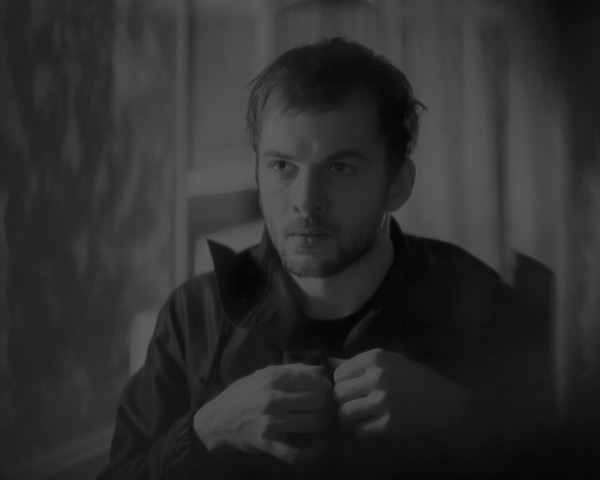 Sebastian Schipper’s Victoria opened in London a couple of weeks ago, a year after it won an award at the Berlin International Film Festival. It’s famous for having been shot in a single 138-minute take. I came away impressed by everything it has to offer, from the direction and the acting by all the young principals to the agile cinematography of Sturla Brandth Grøvlen and, by no means least, the contribution made by Nils Frahm’s soundtrack.
 At some point in his career, Leandro “Gato” Barbieri became a sound. A great sound, for sure, its hoarse urgency bursting with Latin passion, but he learnt that he needed to do little more than apply it to the theme he wrote in 1972 for Bernardo Bertolucci’s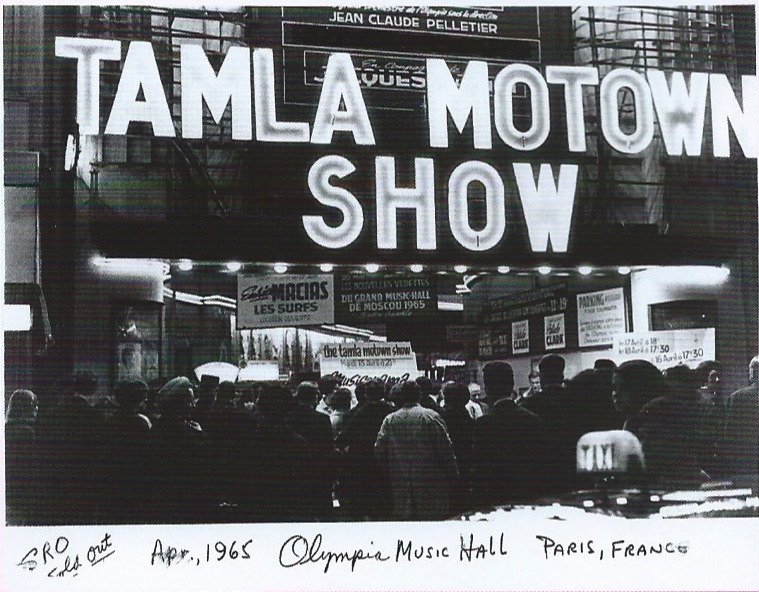

 thebluemoment.com