Jazz Abstraction
 As I was on the way to see the blockbuster Abstract Expressionism show at the Royal Academy the other day, it was pointed out that jazz and AbEx seem to share a special relationship. I suppose that has something to do with synchronicity. Franz Kline and Mark Rothko were creating their revolutionary canvases at the same time as Charlie Parker and Thelonious Monk were making the music that changed everything, and the two developments seemed to share a sensibility. It’s easy to imagine Kline or Rothko playing “Ornithology” or “Well, You Needn’t” while working on a canvas in a Greenwich Village studio.
Easy, but probably misleading. I seem to remember reading that Jackson Pollock listened to Brahms while working on his drip paintings. Yet when Nesuhi Ertegun, the producer of Ornette Coleman’s Atlantic recordings, asked the collector and gallerist Sidney Janis for permission to reproduce Pollock’s “White Light” on the cover of Free Jazz in 1961, he was establishing a link that seemed to contain an emotional truth, if not a literal one. And Coleman’s double-quartet recording was by no means the only modern jazz album to make use of abstract expressionism on its cover: see the art of Martin Craig on the pianist Herbie Nichols’ two 10-inch LPs for Blue Note in 1955, The Prophetic Herbie Nichols Vols 1 & 2, for example.
At the RA, the breathtaking Pollock rooms are the strongest part of an exhibition that also gave me a greater appreciation of Robert Motherwell and Sam Francis. The much-vaunted assembly of giant Clifford Still canvases left me curiously unmoved, and the round space devoted to Rothko resembles an oligarch’s car-boot sale. The final couple of rooms are curiously incoherent. But of course it has to be seen.
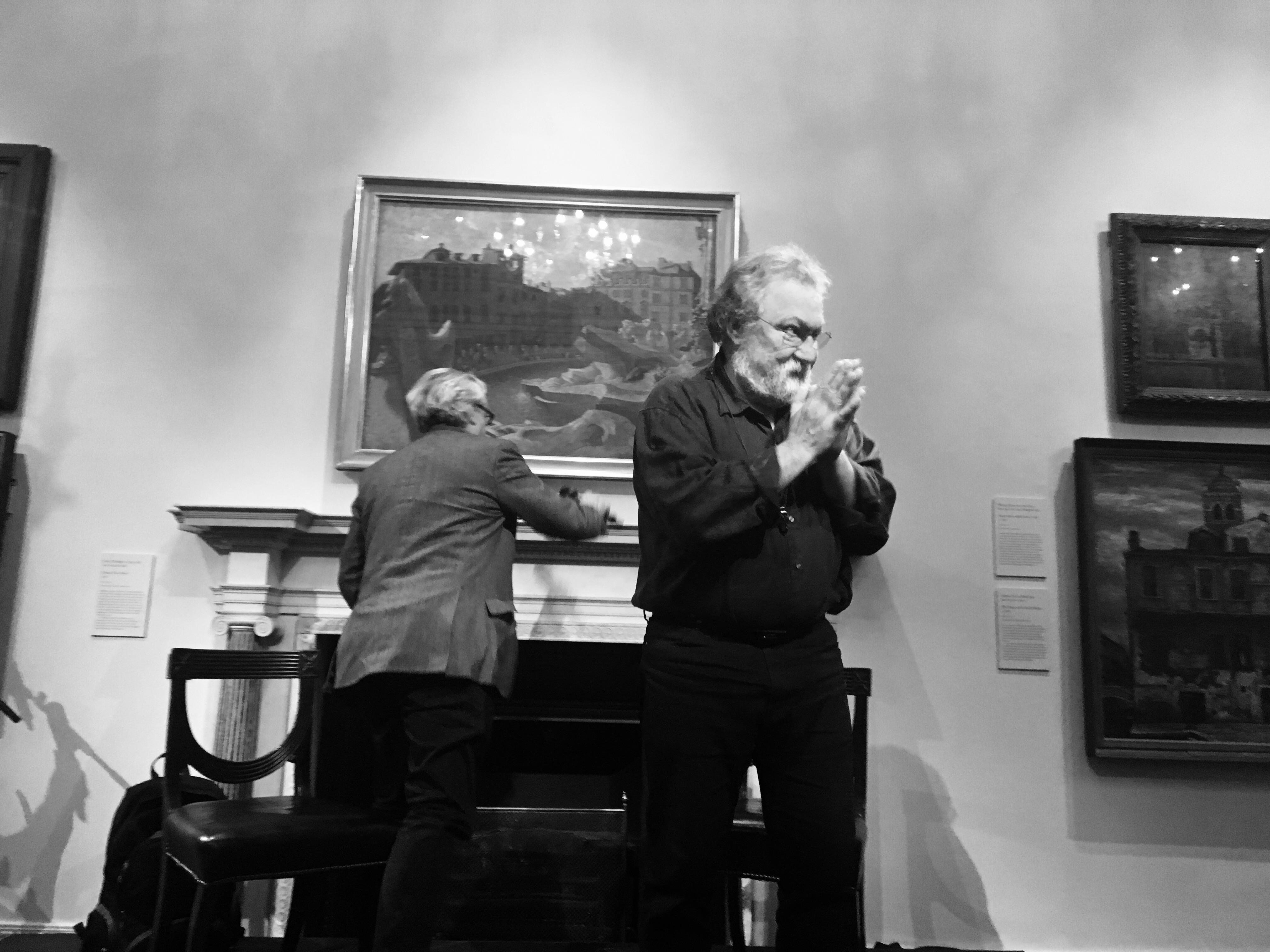
The link with jazz was reaffirmed last night when, as one of the opening events in this year’s EFG London Jazz Festival, Evan Parker gave a short solo concert and a conversation with David Ryan under the heading “Jazz Abstraction”– a title adapted from that of a 1961 Atlantic album by Coleman, John Lewis, Gunther Schuller and others (and which, come to think of it, also has an abstract expressionist painting by John Jagel on the cover).
Parker’s improvisations were as astounding as ever in their combination of fine detail and hurtling momentum. Later he remarked, non-judgmentally, that one difference between the AbEx painter and the free improviser is that in the case of the music, the process is the work.
The conversation also produced a couple of self-deprecatory gems. If La Monte Young, while still playing sopranino saxophone, had discovered circular breathing as a means of tying together the repeated motifs with which he was working, the world might never have heard of Evan Parker (who then gave us a demonstration of practising the breathing technique). And had the artist Alfreda Benge not introduced Evan to John Stevens one night in 1966, he might, as he put it, “still have had my nose pressed against the window”. Or so he claimed.
What the painters and the jazz musicians of Parker’s generation and slightly earlier had in common was not just the reassurance of an environment in which they could afford to live cheaply but a powerful belief in the value of their work, whatever valuation the world initially placed upon it. It’s just a pity that today’s commercial market doesn’t view them in the same light.
* Abstract Expressionism is on at the Royal Academy of Arts, Burlington House, Piccadilly, London W1 until January 2. Evan Parker’s latest album is As the Wind, with Mark Nauseef (percussion) and Toma Gouband (lithophones), released on the Psi label. The photograph is of Parker (right) and David Ryan at the RA.
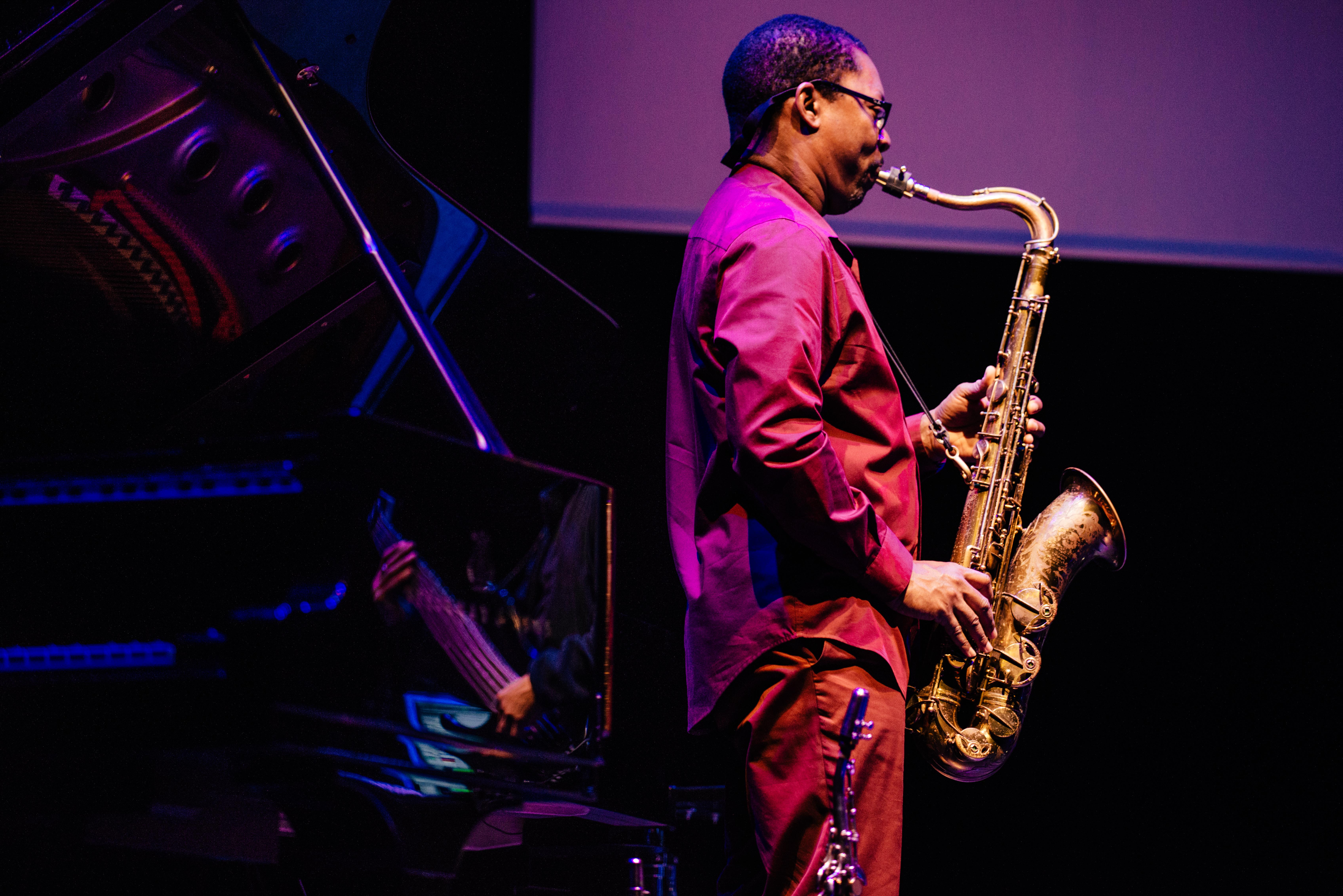 Probably I’m not supposed to write about the music at a festival I curate, but something happened in Berlin on Saturday night that made me want to ignore the rules of etiquette. It occurred during the hour-long set by the trio of Jack DeJohnette, Ravi Coltrane and Matthew Garrison, when they slipped into the theme written by John Coltrane as a response to the deaths of four schoolgirls — Addie Mae Collins, Cynthia Wesley, Carole Robertson and Carol Denise McNair, all aged between 11 and 14 — in the bombing of the 16th Street Baptist Church in Birmingham, Alabama by white supremacists on September 15, 1963.
 The other day I read two stories about famous people’s homes. One was about the house in Austria in which Adolf Hitler was born. Finally the authorities are thinking of razing it to the ground, to prevent its use as a neo-Nazi pilgrimage site (although they’re nervous about it being interpreted as an attempt to erase the country’s dark past). The other was about Buddy Bolden’s house in New Orleans, which is lying derelict in the grounds of a mega-church and could be demolished at any moment to make way for car parking.
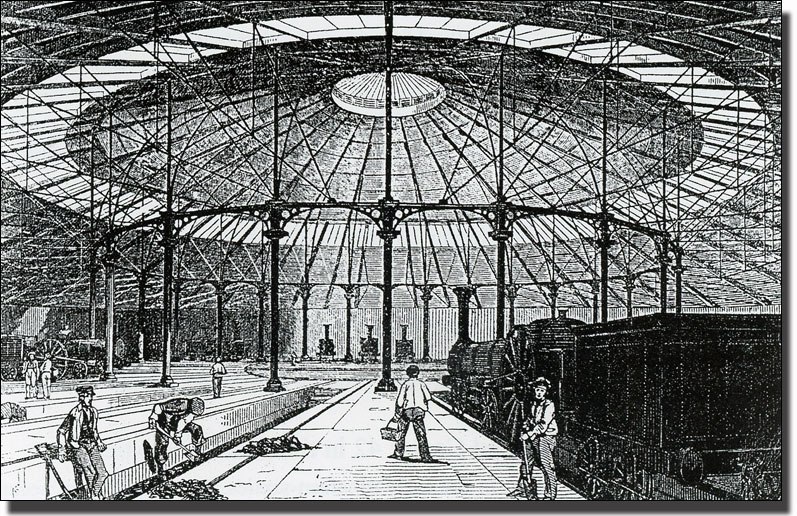 The last few things I’ve seen at the Roundhouse — Willie Colón on his farewell tour, Bob Dylan on good form, a wonderful performance on authentic instruments of Monteverdi’s L’Orfeo, the reformed Television, and John Cale — seem pretty typical of the musical variety the circular brick building at Chalk Farm has been offering London since Arnold Wesker had the idea of repurposing the old engine shed as a centre for the arts in 1966. Earlier first-hand memories of the place include Nico’s first London concert, the Art Ensemble of Chicago, the Ramones, a Company week featuring Derek Bailey with assorted friends, Gil Evans’s British band, and a Fairport Convention night with Fotheringay and Matthews’ Southern Comfort.
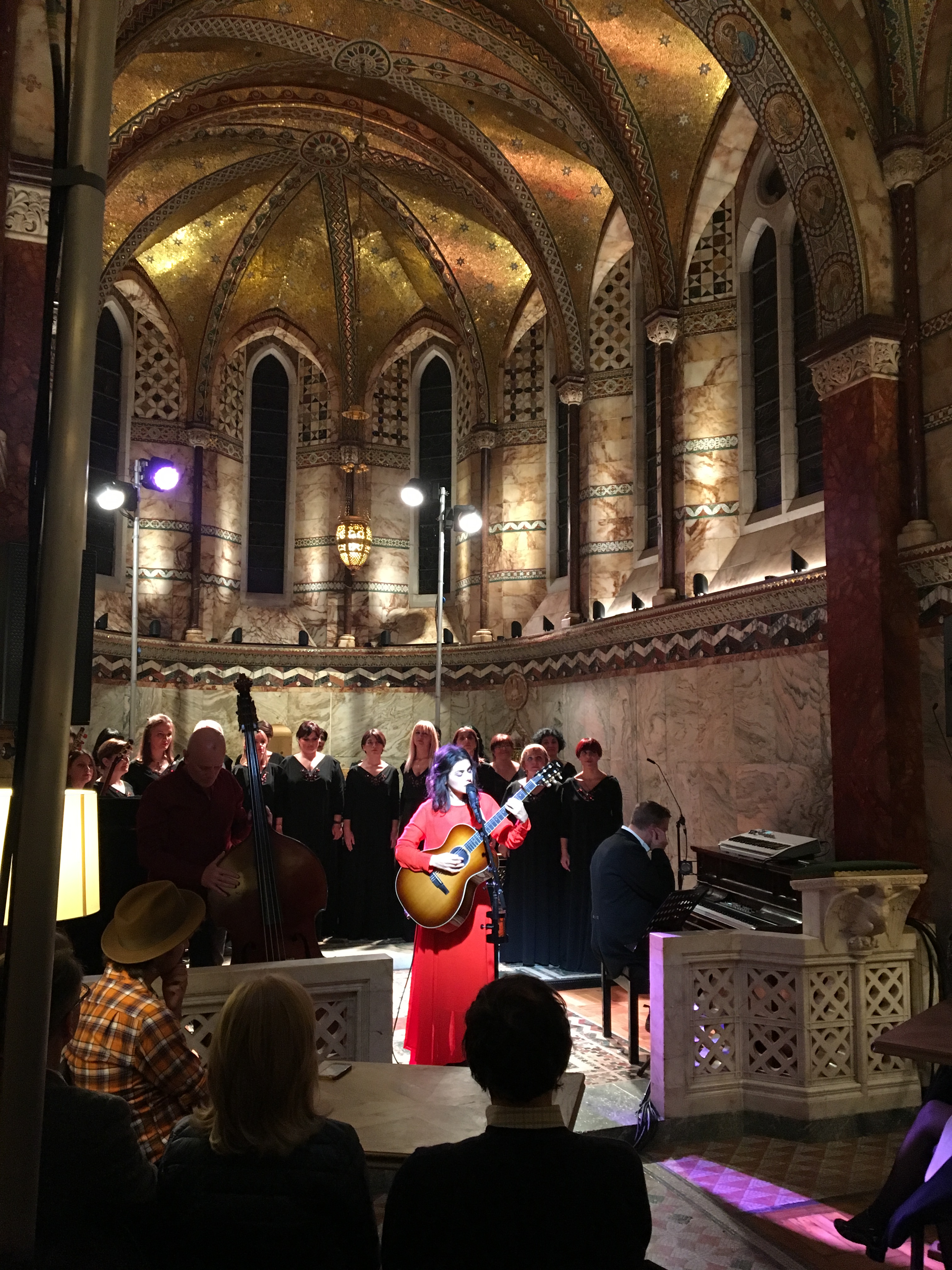 To be perfectly frank, I didn’t know much about the life and work of Katie Melua before I was invited to a small showcase concert of the music from her new album, In Winter, in which she is accompanied by the 23-strong Gori Women’s Choir from Georgia, the country in which — as I quickly discovered — she was born 32 years ago. I knew even less about the Fitzroy Chapel, formerly part of the Middlesex Hospital, which was demolished a few years ago to make way for — you guessed it — luxury apartments, with the Grade II*-listed chapel at the core of the new complex.
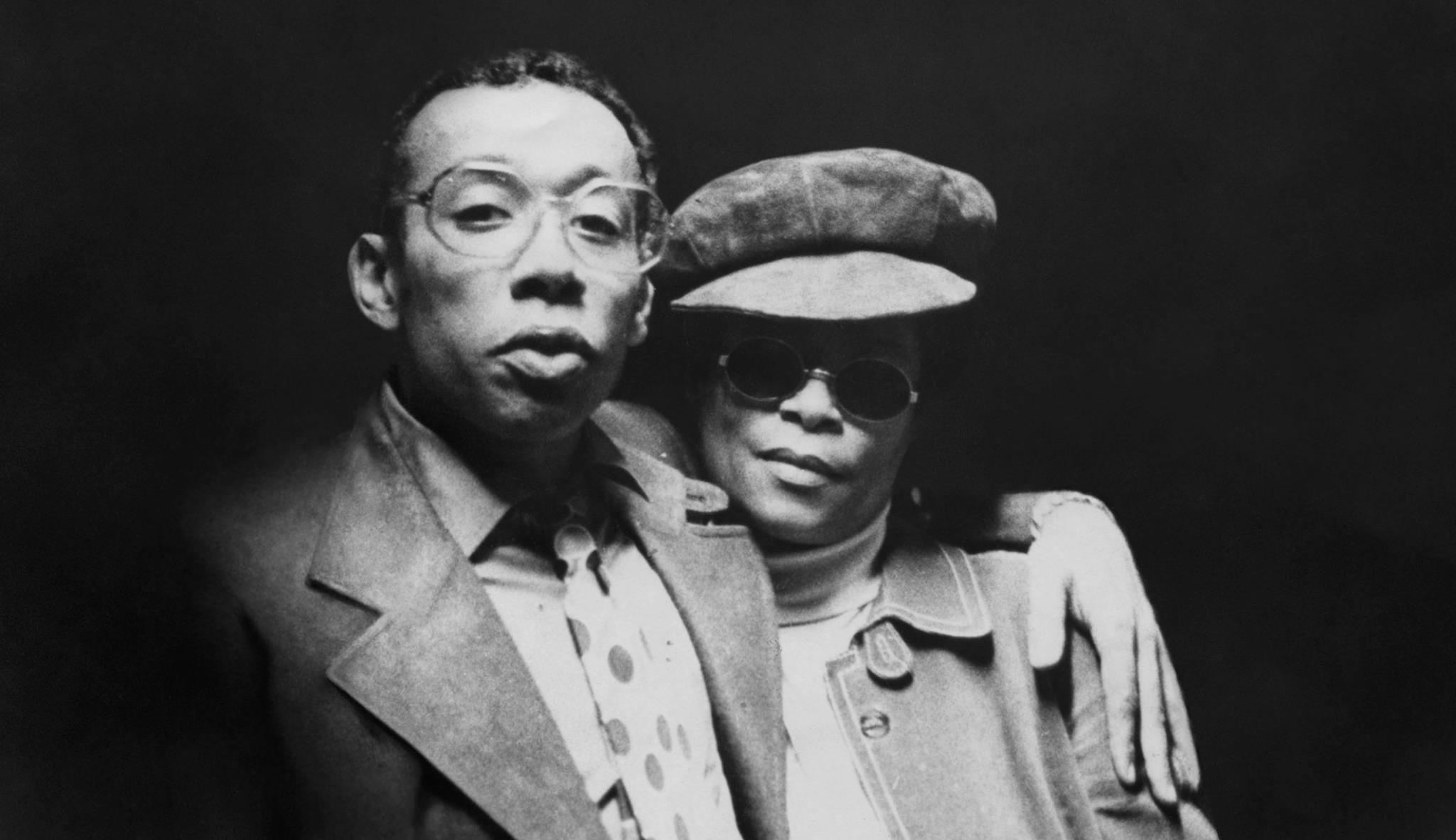 Two voices dominate I Called Him Morgan, Kasper Collin’s new documentary about the trumpeter Lee Morgan, which was screened at the weekend as part of the London Film Festival. The first is that of Morgan’s horn, of course. The second is that of Helen Moore, who rescued him from heroin addiction in the late ’60s and then, seemingly driven to distraction by his infidelity, shot him dead in front of his own audience at Slugs’ Saloon on New York’s Lower East Side one midwinter night in 1972.
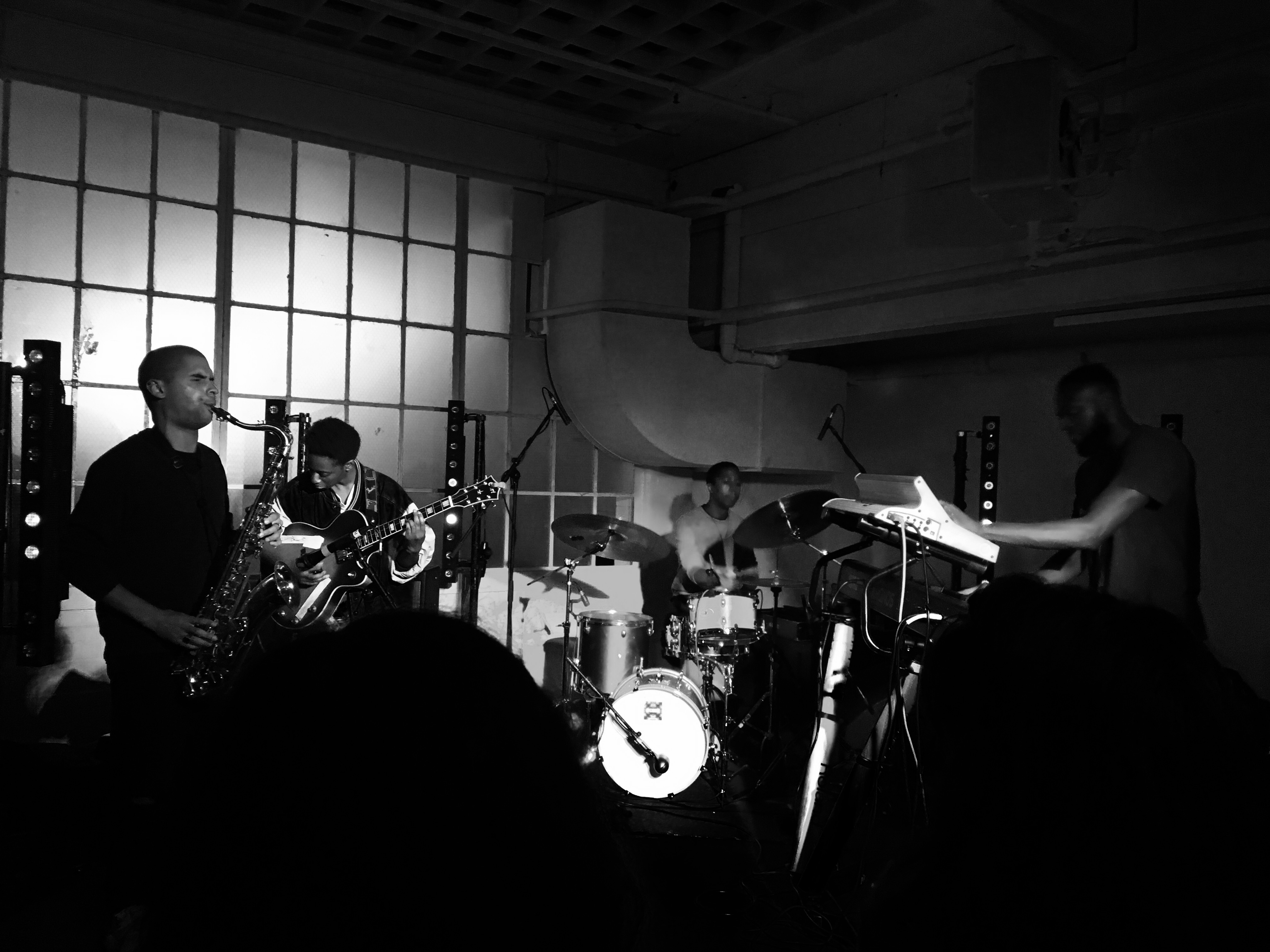 It’s Frieze week in London, meaning that the streets of the more fashionable quarters of the city are thronged with art people. Last night some of them made their way to a party thrown by the Timothy Taylor Gallery in a Soho basement beneath the Phonica vinyl record shop on Poland Street, where the music was provided by a quartet under the leadership of the drummer Moses Boyd.
 Towards the end of Eight Days a Week, Ron Howard’s Beatles new documentary, all reason and proportion briefly fled and I was overpowered by a sense of rage. Those bloody Americans: it was all their fault. With their idiotic 50,000-seater stadiums and their imbecilic urge to misconstrue a perfectly innocent remark about Christianity in a John Lennon interview, they ruined the whole thing.
  Orphy Robinson must have known he’d had a great idea when he put together an octet to celebrate the music of the late
 thebluemoment.com

