The return of Shakin’ Stevens
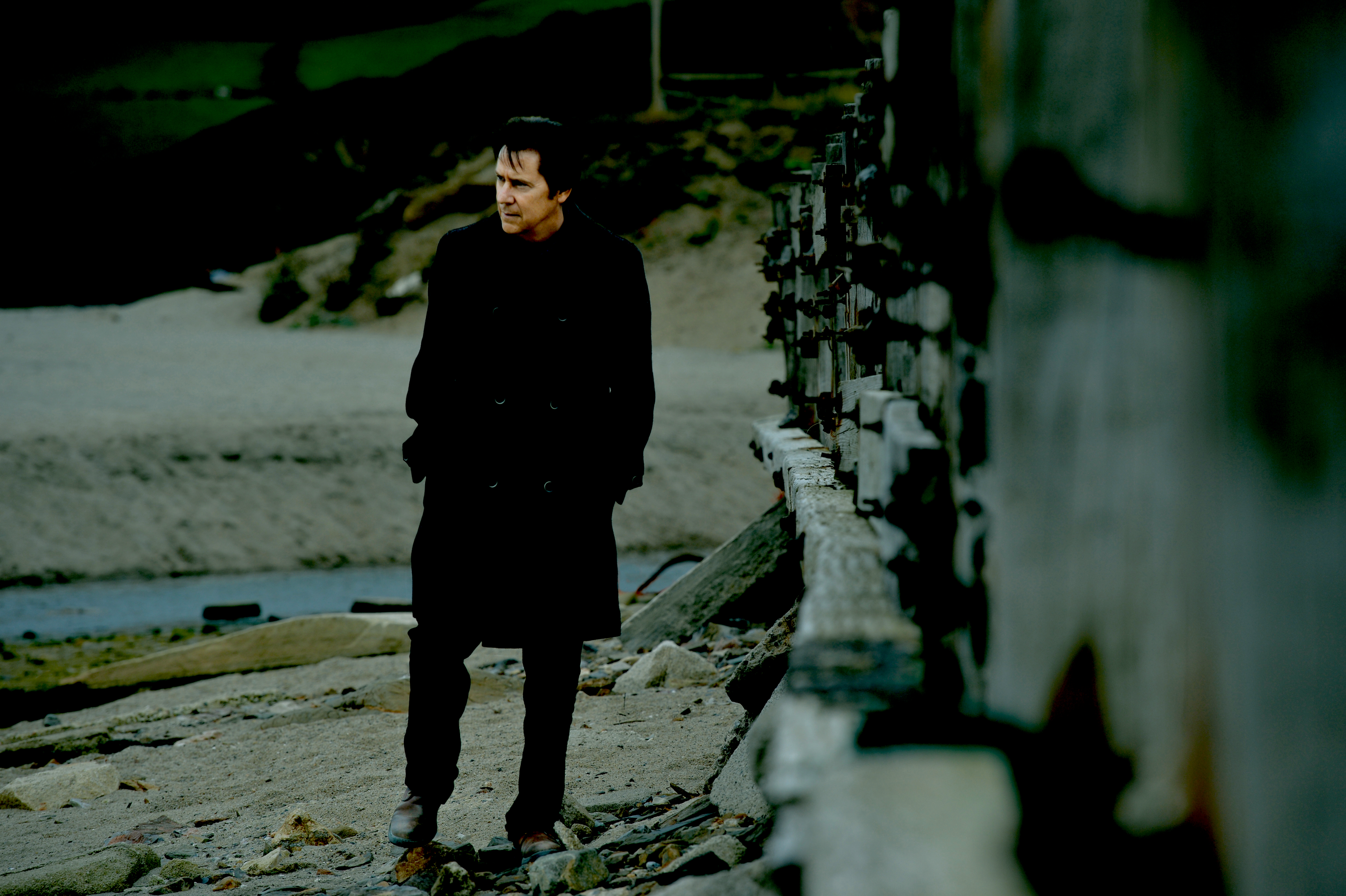 The first time I was impressed by Shakin’ Stevens was in 1970, while idly playing through his debut album with his group, the Sunsets, a bunch of rockabilly hounds from Cardiff, on the cheap sound system in the listening room at the Melody Maker‘s old Fleet Street office. Called A Legend, produced by Dave Edmunds and released on the Parlophone label, it contained one track that I found I needed to hear over and over again: a wild version of “The Train Kept A-Rollin'”, originally written and recorded by the bandleader Tiny Bradshaw in 1951, in the idiom of Louis Jordan and Cab Calloway, and given a definitive rockabilly restyling five years later by Johnny Burnette’s Rock and Roll Trio, with the great Paul Burlison on guitar. It might be a heretical view, but I found the lubricious pounding of Stevens’ version even more powerful than Burnette’s hallowed recording.
Seven years later, while casting his musical Elvis!, the great Jack Good — creator of Six-Five Special, Oh Boy! and Shindig! — selected Stevens to play one of the show’s three incarnations of Presley. Tim Whitnall played the boy Elvis, Stevens played the “perfect” Elvis of “Heartbreak Hotel” and “Hound Dog”, and P. J. Proby played the late Elvis. Each of them fitted his role perfectly, and I’ll never forget the impact of the finale, when Whitnall and Stevens stood with heads bowed as Proby, in full Elvis-in-Vegas costume, sang “American Trilogy” from a pulpit against a backdrop of the film of the endless motorcade of white Cadillacs at Presley’s funeral.
At that time Stevens was still virtually unknown to the general public. But the show was a success, running for two years at the (now demolished) Astoria on Charing Cross Road, and soon afterwards he finally made his breakthrough as a solo artist, exploiting his voice and his looks — a cross between Ricky Nelson and Chris Isaak — with a string of pop hits including “This Ole House” and “Green Door”. Since then he’s been seen on reality shows, oldies packages and charity galas. In 2010 he was in hospital for several weeks after suffering a heart attack while gardening.
When I saw that he had a new album out last month, I was reminded of how much I liked that “Train Kept A-Rollin'” and his performance as Elvis. So I listened to it, and was pleasantly surprised. Echoes of Our Times is, at least in part, an attempt to write songs inspired by his family history, which he traces back to Cornish copper miners. That’s how the album begins, and other songs refer to the experience of family members — including his father — in the First World War, to a great-grandfather’s vocation as a Primitive Methodist minister in Wales, and to a grandmother’s work with the Salvation Army.
It’s as if, back at the very start of his career, he’d heard Music from Big Pink and decided to take that route. An excellent band features banjos and harmonicas and mandolins and a harmonium and a general feeling of handmade quality, occasionally broadening to include a small horn section and a cello. Shaky sings very well, with great conviction. Time has abraded his tone a little, which is no bad thing; curiously, on different songs he reminded of both Lennon (“To Spread the Word”) and McCartney (“The Fire in Her Blood”), but mostly he sounds like himself. Not all the material is great, but “Suffer Little Children” is a really fine southern-style blues-ballad, on which his voice has something of the strained urgency of Don Henley. “Train of Time”, all hurtling rockabilly twang and slap, is another great railroad song to put alongside the one I still cherish from his very first recording session.
So has Shakin’ Stevens, at the age of 68, transformed himself into the Welsh Robbie Robertson? That might be putting it a bit strongly. But Echoes of Our Times is thoughtful, enjoyable and substantial enough to make posterity significantly modify its judgement of the nature and scale of his talent.
* Photograph: HEC Records
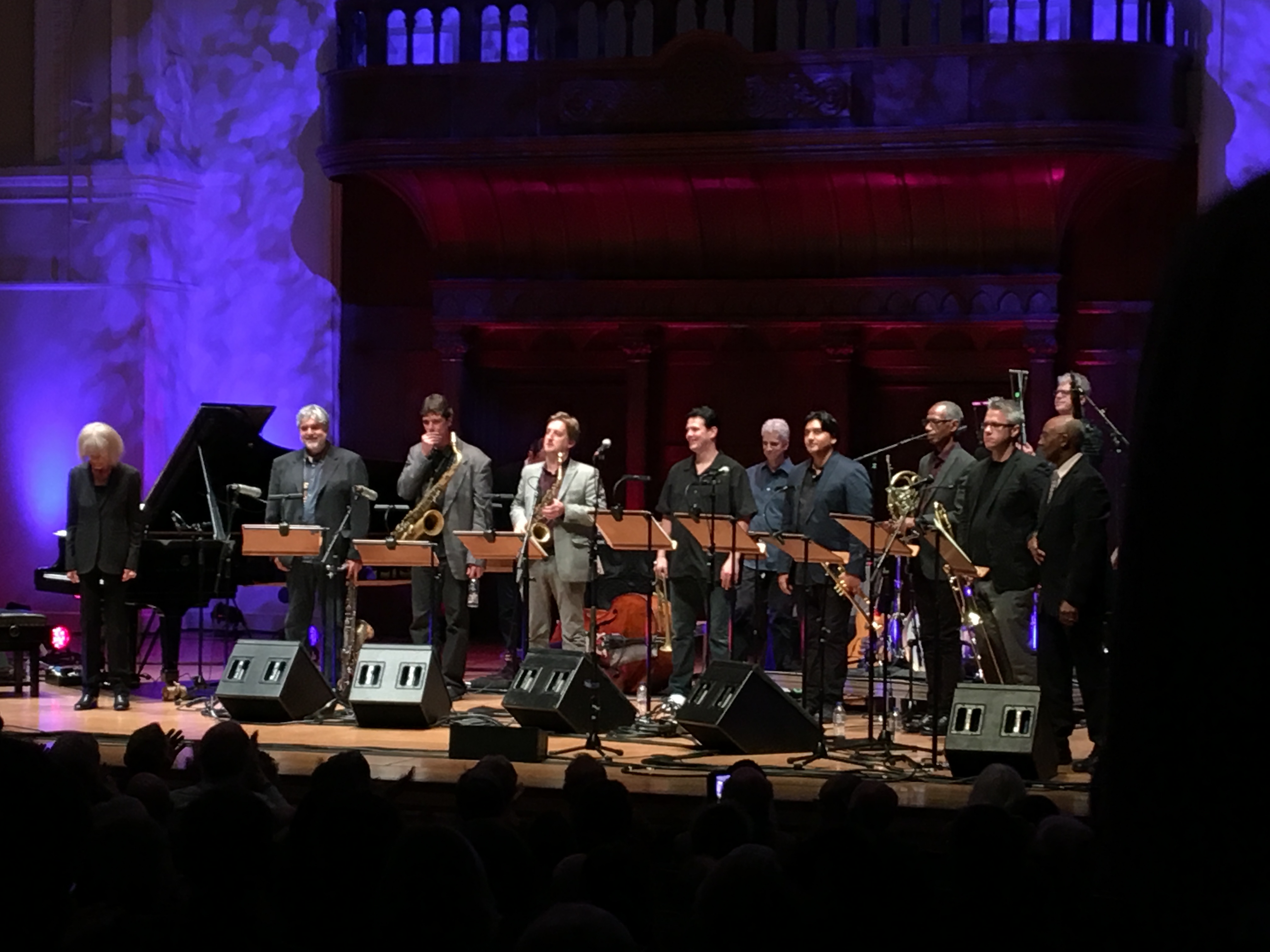 Eight years ago I was fortunate enough to be at the Blue Note in Greenwich Village to hear Charlie Haden’s Liberation Music Orchestra on the night of the US presidential election, and then again the following night after it had been confirmed that Barack Obama would be serving as America’s first black president. The anxious optimism of the first night and the joy and relief of the second could hardly have formed a greater contrast with the current mood of the world, in which the orchestra — minus Charlie, who died two years ago, and now directed by his long-time collaborator Carla Bley — arrived in London to play at Cadogan Hall as part of the EFG London Jazz Festival.
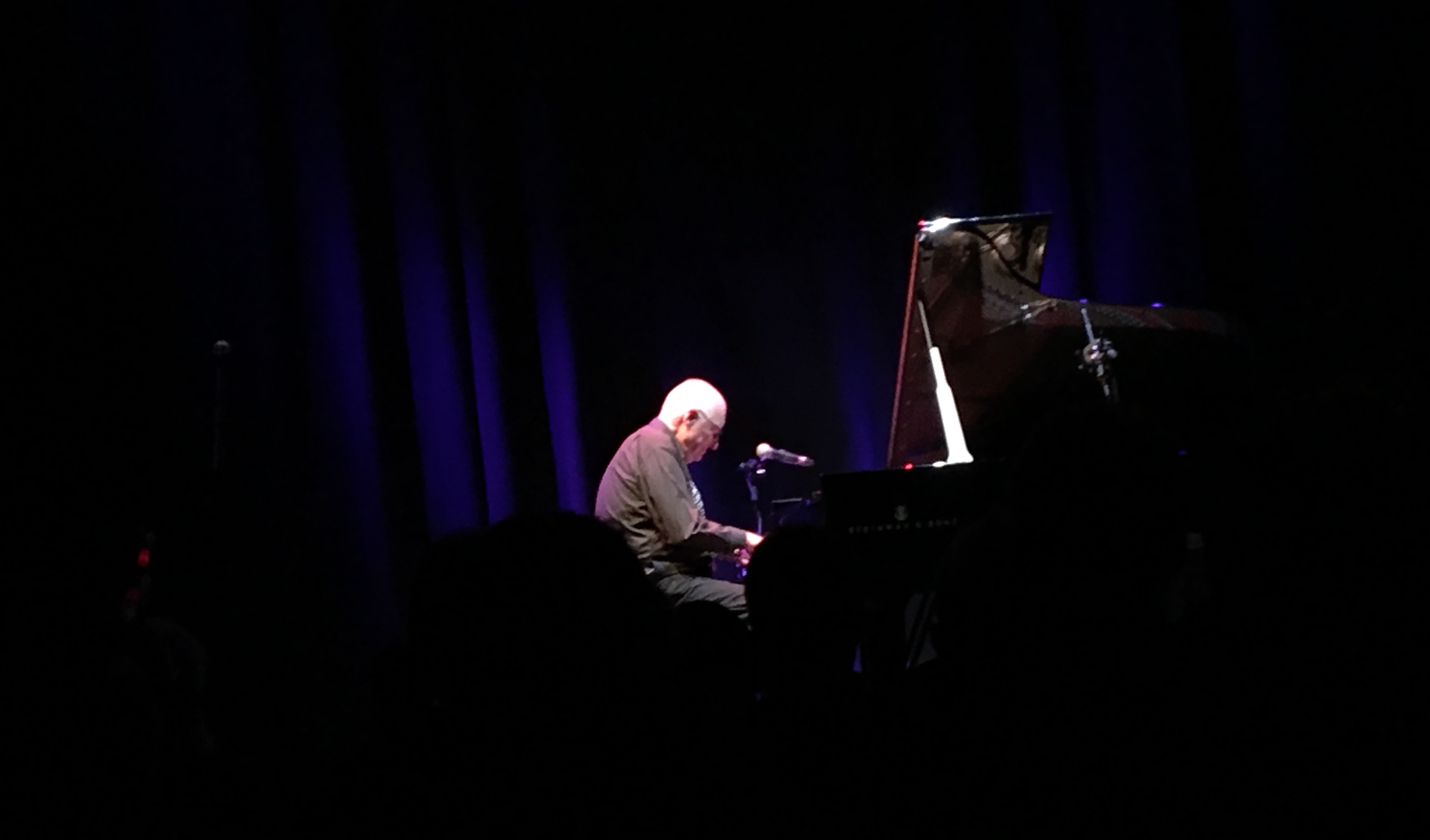 In the days leading up to Mike Westbrook’s solo recital at Kings Place on Saturday afternoon, part of the EFG London Jazz Festival, I’d attended a run of performances by several younger pianists — Kit Downes, Michael Wollny, Giovanni Guidi and Jason Moran — of great reputation and achievement. Spending just over an hour listening to Westbrook as he stitched together songs that have meant much to him over the years provided a useful reminder of what age can bring.
 The 79-year-old singer Elza Soares was in London last week, wearing a purple wig and a skintight leather dress as she sang from a golden throne on stage at the Barbican. I missed the gig, but I’ve been belatedly catching up with A Mulher do Fim do Mundo, the album she released this summer, and I’m pretty sure it’s going to end up very high on my best-of-the-year list.
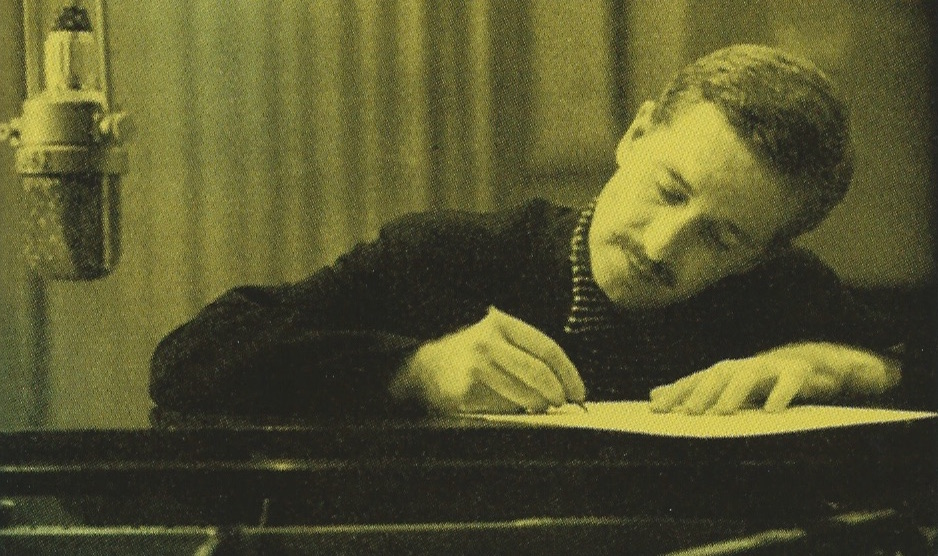 When we were just a bunch of white boys barely out of school, falling in love with the sounds of Muddy Waters, John Lee Hooker, Jimmy Reed and Bo Diddley and wondering if we’d found a language that we could somehow call our own, Mose Allison showed how it could be done. Allison had been born in Mississippi and grew up on a cotton farm, the son of a piano-playing general store owner and a schoolteacher. He had a directly acquired knowledge of the culture of African American people, and he knew that the way to adopt their language while retaining some sort authenticity was to be yourself. Among those who learnt that lesson were Georgie Fame and Pete Townshend.
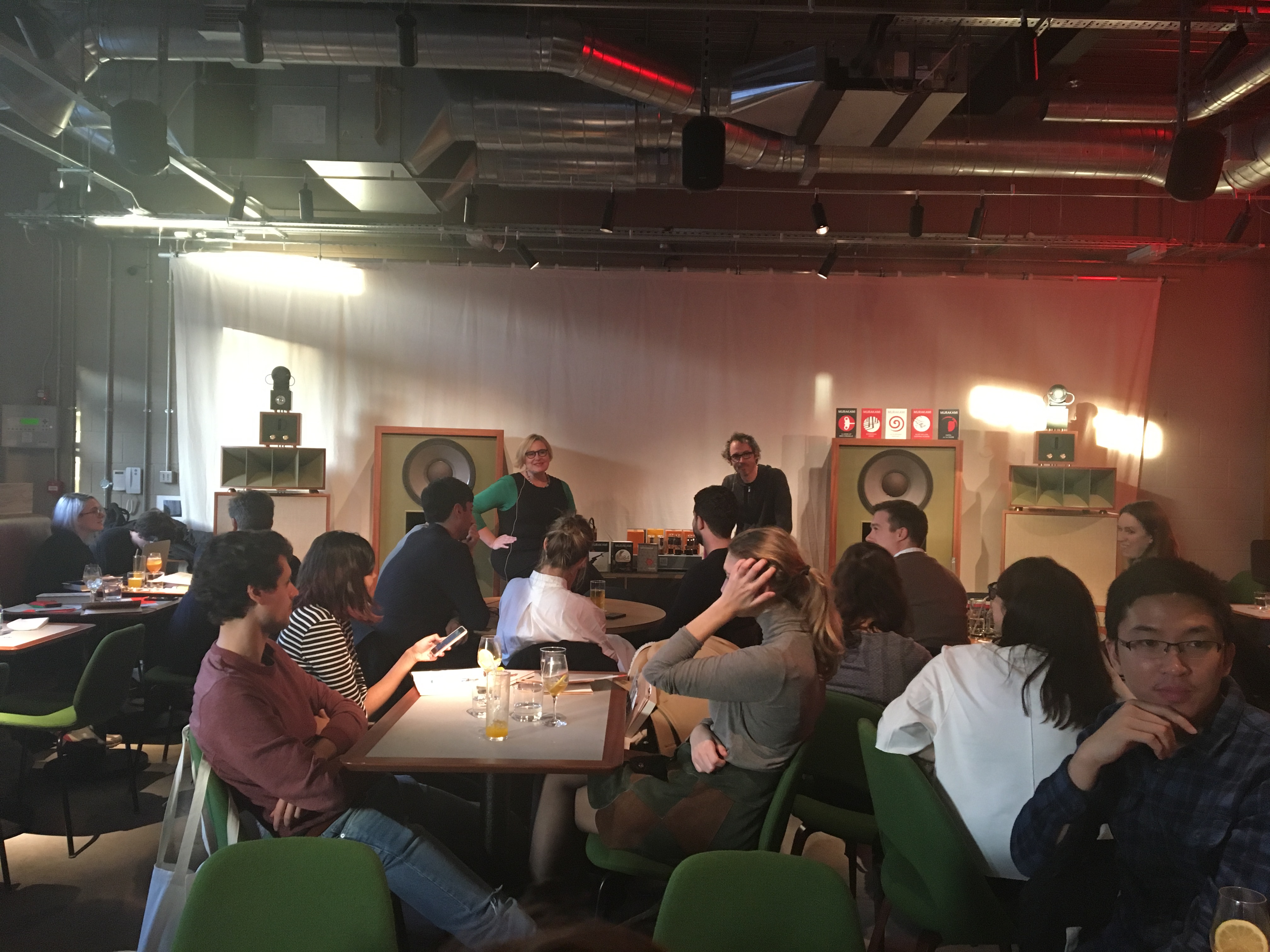 You don’t have to be a hi-fi nut or a vinyl fetishist to enjoy a place like Spiritland, the listening club/café tucked away in the redeveloped King’s Cross buildings that also house Central St Martin’s art college. It’s the perfect place to hold something like yesterday’s event at which the great Japanese novelist Haruki Murakami’s connection to music was discussed, to tie in with the new book of his conversations with the conductor Seiji Ozawa. I imagine the jazz bar called
 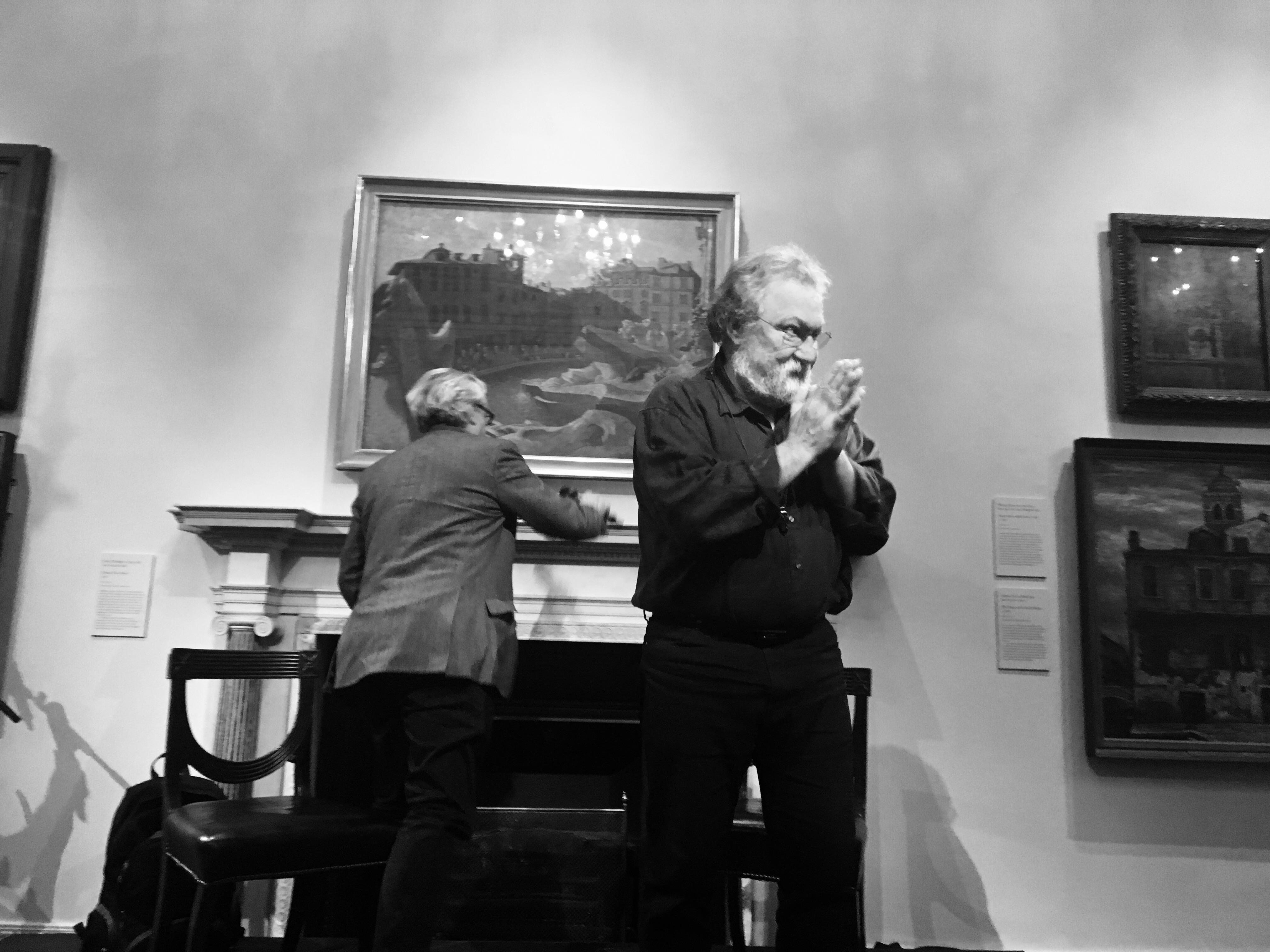 As I was on the way to see the blockbuster Abstract Expressionism show at the Royal Academy the other day, it was pointed out that jazz and AbEx seem to share a special relationship. I suppose that has something to do with synchronicity. Franz Kline and Mark Rothko were creating their revolutionary canvases at the same time as Charlie Parker and Thelonious Monk were making the music that changed everything, and the two developments seemed to share a sensibility. It’s easy to imagine Kline or Rothko playing “Ornithology” or “Well, You Needn’t” while working on a canvas in a Greenwich Village studio.
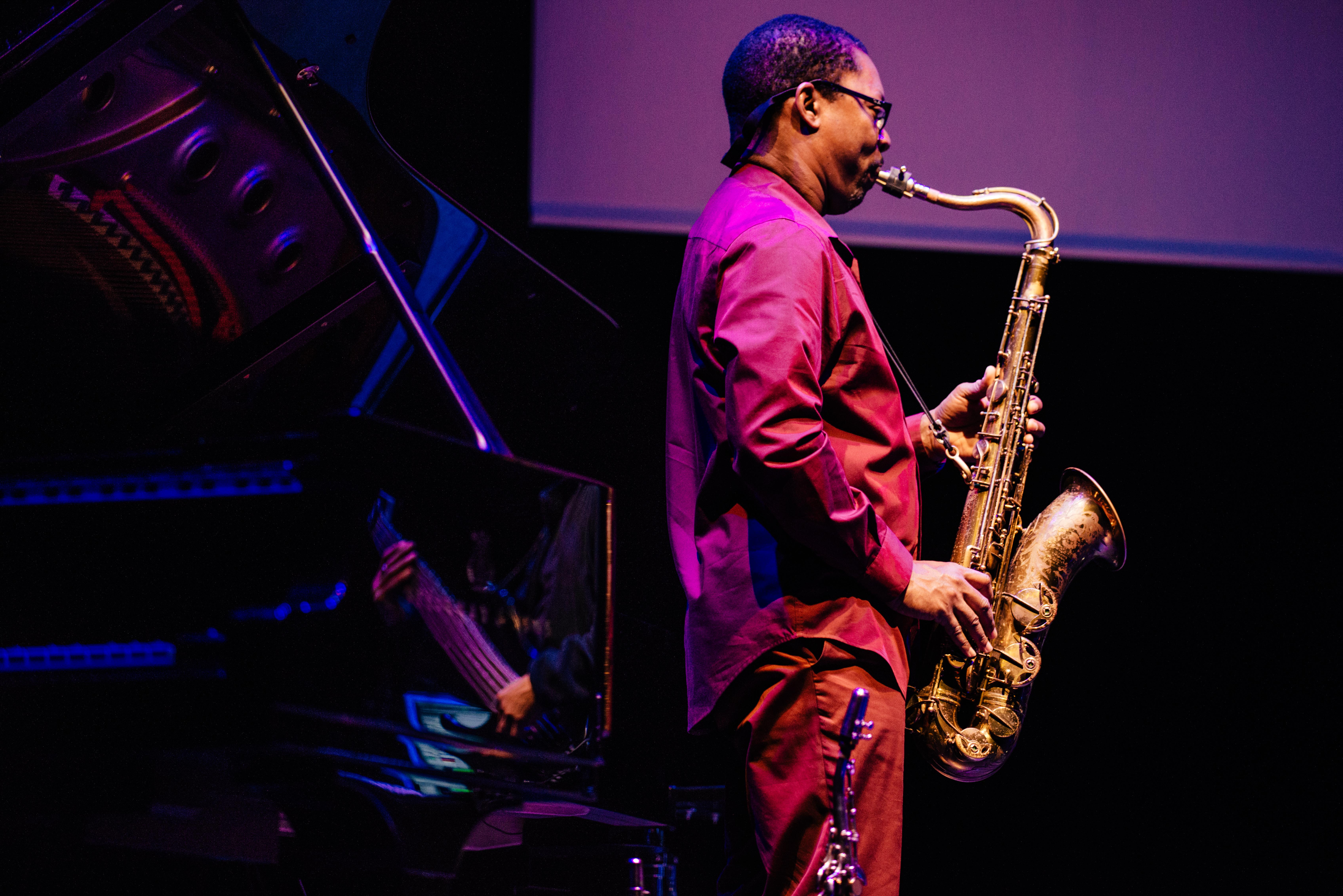 Probably I’m not supposed to write about the music at a festival I curate, but something happened in Berlin on Saturday night that made me want to ignore the rules of etiquette. It occurred during the hour-long set by the trio of Jack DeJohnette, Ravi Coltrane and Matthew Garrison, when they slipped into the theme written by John Coltrane as a response to the deaths of four schoolgirls — Addie Mae Collins, Cynthia Wesley, Carole Robertson and Carol Denise McNair, all aged between 11 and 14 — in the bombing of the 16th Street Baptist Church in Birmingham, Alabama by white supremacists on September 15, 1963.
 thebluemoment.com

