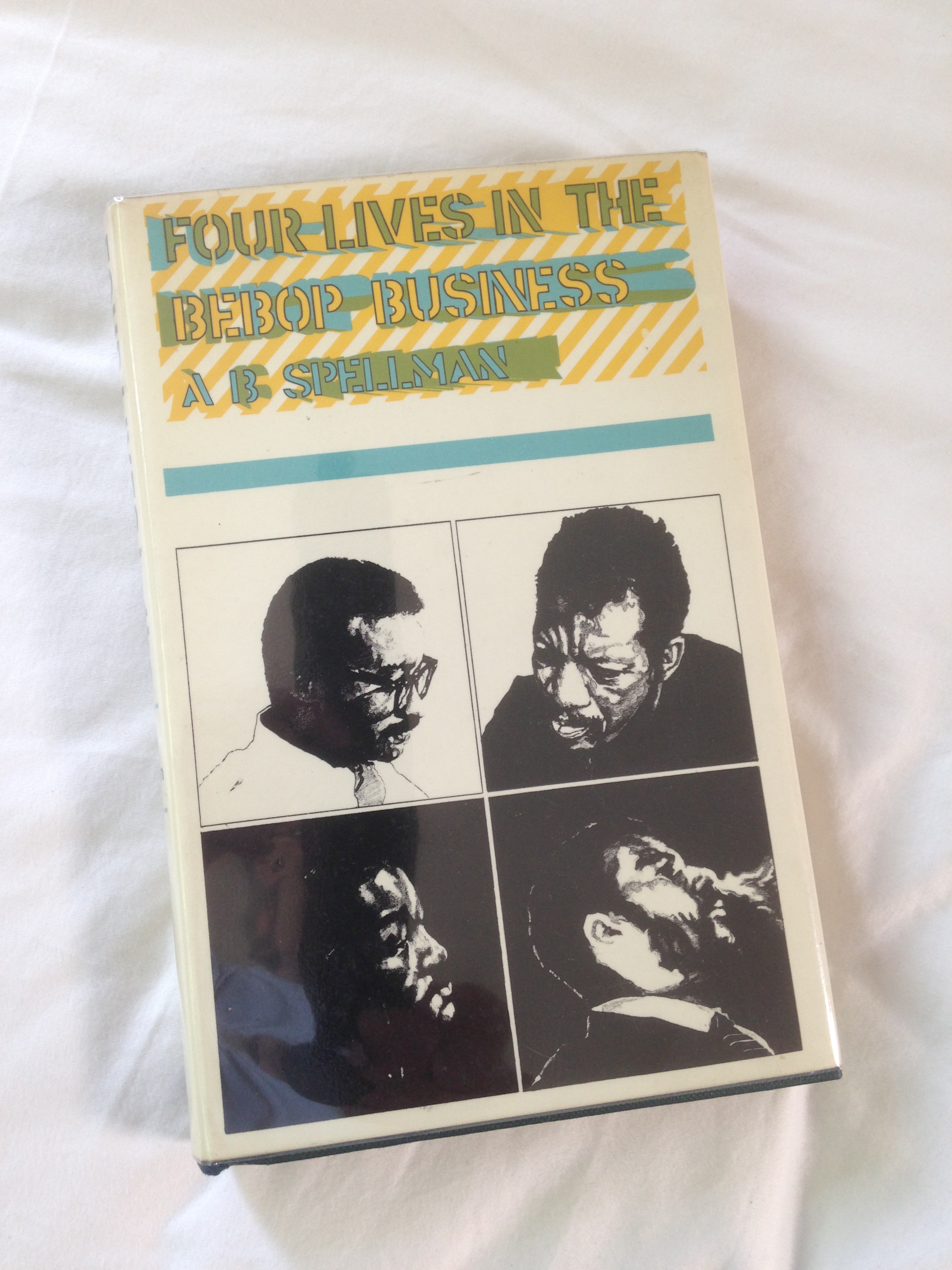
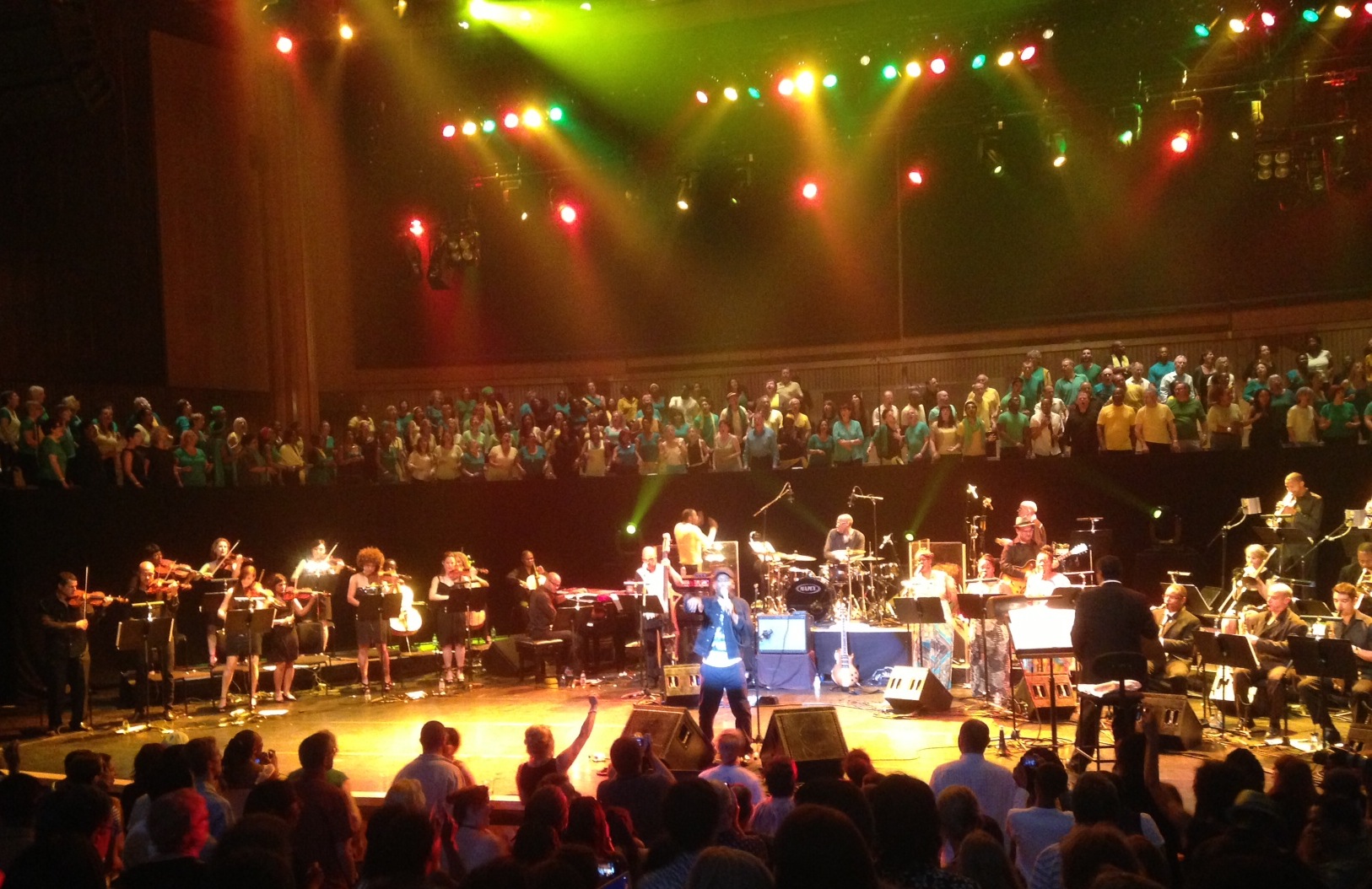
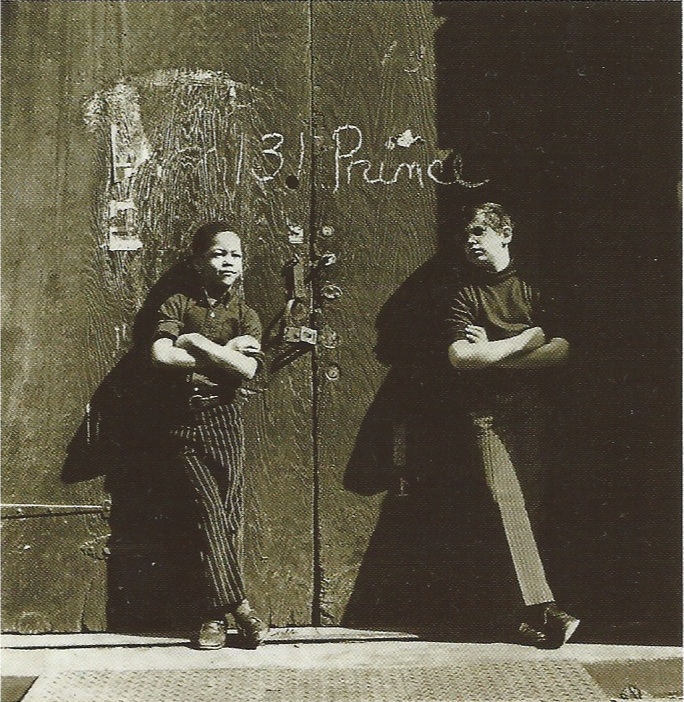
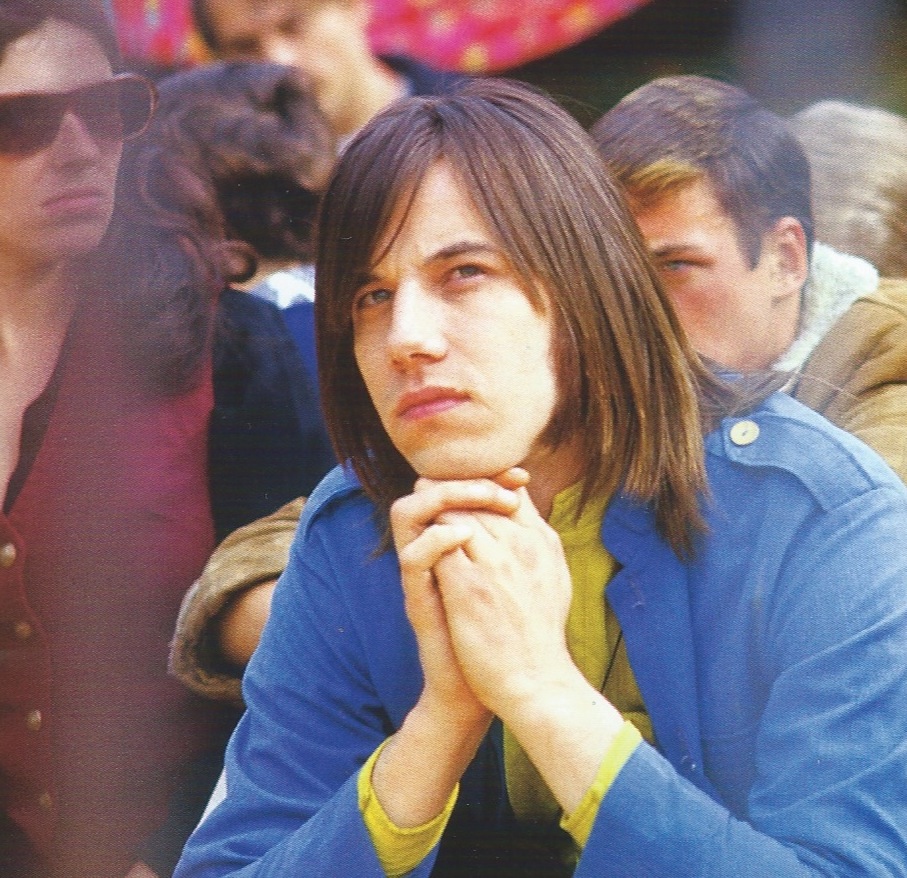
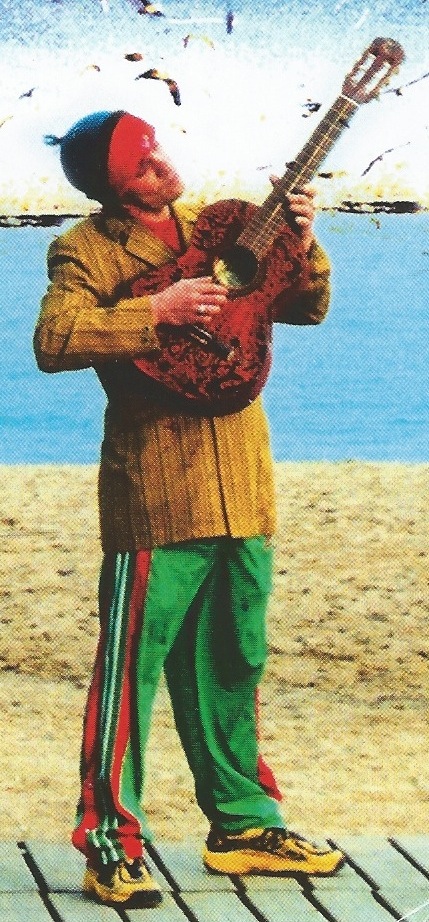
It was only a couple of hours after buying her new CD in Paris the other day that I picked up an English newspaper and read an interview in which Françoise Hardy was characterised as a “muse” to leading male artists of her era: Dylan, Jagger, and so on. The writer may have intended it as a compliment to one of the great 60s beauties but it seemed more like an insult because the term usually suggests a passive supplier of inspiration, and Hardy was never that. What’s often forgotten is that she wrote her first hit, “Tous les garçons et les filles”, herself in 1962, when she was a mere 18 years old, and over the years she has turned into a singer and writer whose albums are seldom less than compelling.
Since the excellent Decalages arrived in 1988 I’ve bought pretty well all of them as a matter of course, with Clair-obscur (2000), Tant de belles choses (2004) and La Pluie sans parapluie (2010) being particularly worth the trouble. And in 2008 there was her autobiography, Le Desespoir des singes et autres bagatelles (The Monkeys’ Despair and Other Trifles), in which she recounted the tale of a rather extraordinary life with clarity, honesty, humour and the sort of style you’d expect from someone who, albeit briefly, studied literature at the Sorbonne. (And there’s a particularly good passage about spending time with Dylan in Paris in 1965: he was more impressed than she was.)
Most of her music has been made in association with others, from Michel Berger and Gabriel Yared to her husband Jacques Dutronc, and her new album, L’amour fou, finds her working with a selection of collaborators. Names unlikely to be familiar to most British listeners are sprinkled among the songwriting credits, including those of Thierry Stremler, Calogero, Pascal Colomb, Alain Lanty and Benoit Carre, but at no cost to the unity of mood found throughout this sequence of the 10 songs.
These are modern chansons, blue-hour ballads of loss and regret elegantly cloaked in discreet arrangements — piano and strings, mostly — that accentuate the mood and never get in the way of a voice that is very slightly (and appropriately) deeper and richer but still recognisably that of the woman who, in her young days, sang “La fin de l’ete” and “Comment te dire adieu?”: the girl on the cover of Salut les copains and Mademoiselle Age Tendre, of course, but always much more than that.
There doesn’t seem to be a promo clip of my favourite track, “Mal au coeur”, but here’s one of the title song:
Whatever your opinion of Pier Paolo Pasolini’s Theorem, which is showing at the BFI South Bank in London over the next few weeks as part of a season devoted to the director’s work, there’s no denying the quality of its soundtrack. Mozart and Morricone are the names on the credits, and both play significant roles in Pasolini’s 1968 drama of a family whose bourgeois lives are torn apart by the passage through their household of a mysterious stranger (played by Terence Stamp).
But the first music you hear, after the newsreel-style prologue set outside the gates of a factory and over a credit sequence shot on the dusty slopes near the crater of a volcano, is actually “Tears for Dolphy”, a beautiful ballad written by the American trumpeter Ted Curson in 1964 to mourn the passing of his friend and sometime bandmate (in Charles Mingus’s Jazz Workshop), Eric Dolphy. Mystifyingly, it’s uncredited, leading the viewer to assume that it’s by Ennio Morricone, which it certainly isn’t. It was recorded by Curson with Bill Barron (tenor saxophone), Herb Bushler (bass) and Dick Berk (drums) in the year of Dolphy’s death, and initially released a year later in Dutch Fontana’s memorable series of New Thing albums before being reissued first on Arista/Freedom label 10 years later and then by Black Lion in the mid-1990s. (It’s out of print again now, but you can hear it here.) Curson died last November, aged 77; let’s hope he saw some benefit from the use of his piece in a much studied film.
It was certainly a great choice. As I listened to it while the credits rolled last night, it brought to mind the creative use of post-bop jazz in the scores for several important European art movies in the early 1960s, such as Antonioni’s La Notte (Giorgio Gaslini) and Blow Up (Herbie Hancock) and Polanski’s Knife in the Water (Krzysztof Komeda) and Repulsion (Chico Hamilton). Elsewhere in the film, excerpts from Mozart’s Requiem are used effectively to underscore the anti-clerical aspect of Pasolini’s message, while Morricone earns his fee — and reminds us that from the age of 12 he studied composition at the Accademia Nazionale di Santa Cecilia in Rome — by providing jagged post-serialist pieces for string orchestra to accompany scenes of psychological turmoil. But it’s Ted Curson’s piece that carries the greatest emotional weight, its spare contours providing the perfect evocation of the discontents that accompanied Italy’s post-war reconstruction.
When I went in to see A Late Quartet, a new film by Yaron Silberman that includes a wonderful performance by Christopher Walken as an ageing cellist, I was already thinking about string quartets, and cellists in particular. A friend had just sent me a link to the YouTube clip of an event that took place 40 years ago this summer and which represented probably the first successful introduction of a string quartet into rock music: the 1973 tour by Van Morrison’s Caledonia Soul Orchestra.
That tour was commemorated in the classic double-album It’s Too Late to Stop Now, some of which was taped at the Rainbow Theatre in North London. I was there that July night, along with just about everyone I knew. It was the gig of the year, not least because Morrison was returning to the UK for the first time since his days with Them, and it was no surprise to me when it turned out to be an absolutely perfect night because I’d seen them a week or so earlier, at Birmingham City Hall, and that had been spectacular enough. In the meantime I’d talked to Van and some of the musicians in order to write a combined review/interview/preview of the London shows for the Melody Maker (the piece is archived, if you’re interested, at the subscription-based library http://www.rocksbackpages.com).
At that point Morrison had been living in Northern California for a couple of years, and to the regular line-up of his excellent six-piece band he’d added two violins, viola and cello. Playing arrangements written by the keyboard player Jeff Labes, the string quartet added depth and texture to favourites such as “Into the Mystic” and “Listen to the Lion”. As the concert neared its end, they were featured at length on a magnificent version of “Caravan”, in a passage representing a wonderful moment of baroque and roll.
But I know exactly why my friend sent me the clip of that performance of “Caravan”. It was to remind me that this was the night we all fell in love with the blonde cellist.
When those who were at the Rainbow that night gather to reminisce, the name of Terry Adams invariably finds its way into the conversation, accompanied by swooning gestures. It’s like the face you glimpse through the window of a bus and never forget.
Along with Nate Rubin and Tim Kovatch (violins) and Nancy Ellis (viola), she was a member of the Oakland Symphony Orchestra. Forty years later she is still active in the Bay Area, playing in musicals in San Francisco theatres and performing with the recording orchestra at George Lucas’s Skywalker Ranch film studio. She also runs something called the Nob Hill String Ensemble: “Whatever you’re planning — a wedding and reception, private party, or company convention — Terry will work with you personally to help create a mix of elegant classical, light-classical and popular music to help brighten your special event.” When Morrison put together the band to play Astral Weeks live in 2009, she and Nancy Ellis were recalled; they can be heard on the album recorded at the Hollywood Bowl concert.
That warm July night in 1973, anyway, Teressa “Terry” Adams took her place in rock and roll history. In the clip, you’ll see her responding to Van’s introduction with a smile that some of us swear we can still see hanging in the sky above Finsbury Park.
Hugh McCracken, the great New York session guitarist who contributed to recordings by Paul Simon, Steely Dan, Laura Nyro, Aretha Franklin, the Monkees and countless others, including all four Beatles, died on March 28, aged 70. Most of the obituaries, including this one in the New York Times, carried the anecdote about John Lennon meeting McCracken for the first time at the “Happy Xmas (War is Over)” session in October 1971 and, on learning that he’d played on Paul McCartney’s Ram earlier that year, telling him: “You know that was just an audition to get to play with me.”
The quote came directly from an interview with McCracken himself, but he didn’t get it exactly right. What happened that evening at the Record Plant was that Lennon was introduced to the group of guitarists who, playing acoustic instruments, were going to lay down the basic track for the song, according to the formula required by Phil Spector. All but one of them were young and inexperienced.
He asked them for their names. “Chris.” “Stu.” “Teddy.” “Hugh.” Lennon turned to Yoko Ono and said, “Hey, Yoko, doesn’t Hugh look just like Ivan?” Yoko didn’t respond. “Hugh, you look just like a mate of mine from school. A cross between him and Paul.”
He was referring to Ivan Vaughan, the friend who played bass guitar with the Quarrymen and introduced Lennon to McCartney at Woolton village fete that famous July day in 1957. Vaughan had known Lennon since childhood and had gone to school with McCartney, with whom he shared a birthdate. He studied classics at university, became a teacher, and was later engaged by the Beatles to develop an education project on Apple’s behalf. He was diagnosed as suffering from Parkinson’s disease in 1977 and died in 1993.
A little later, during a break, someone told Lennon about McCracken’s impressive record as a session man, including his contribution to McCartney’s second solo album a few months earlier.
“Oh,” Lennon responded. “So you were just auditioning on Ram, were you?”
If you think I’m splitting hairs here, you’re probably correct. But we might as well get the verbatim right for posterity’s benefit, if there’s going to be a posterity.
McCracken was a first-choice session man who could nevertheless often be found playing the less glamorous rhythm parts behind guitarists with bigger reputations. But if I had to pick a highlight from his career in the studio, it would probably be Steely Dan’s “Hey Nineteen”, a track from Gaucho (1980), to which he contributes a startling intro and a discreet but beautifully shaped short solo.
* The photograph of McCracken is taken from http://www.jimmyvivino.com — the website of the guitarist who leads the house band on Conan O’Brien’s late-night chat show on TBS, the US cable channel.
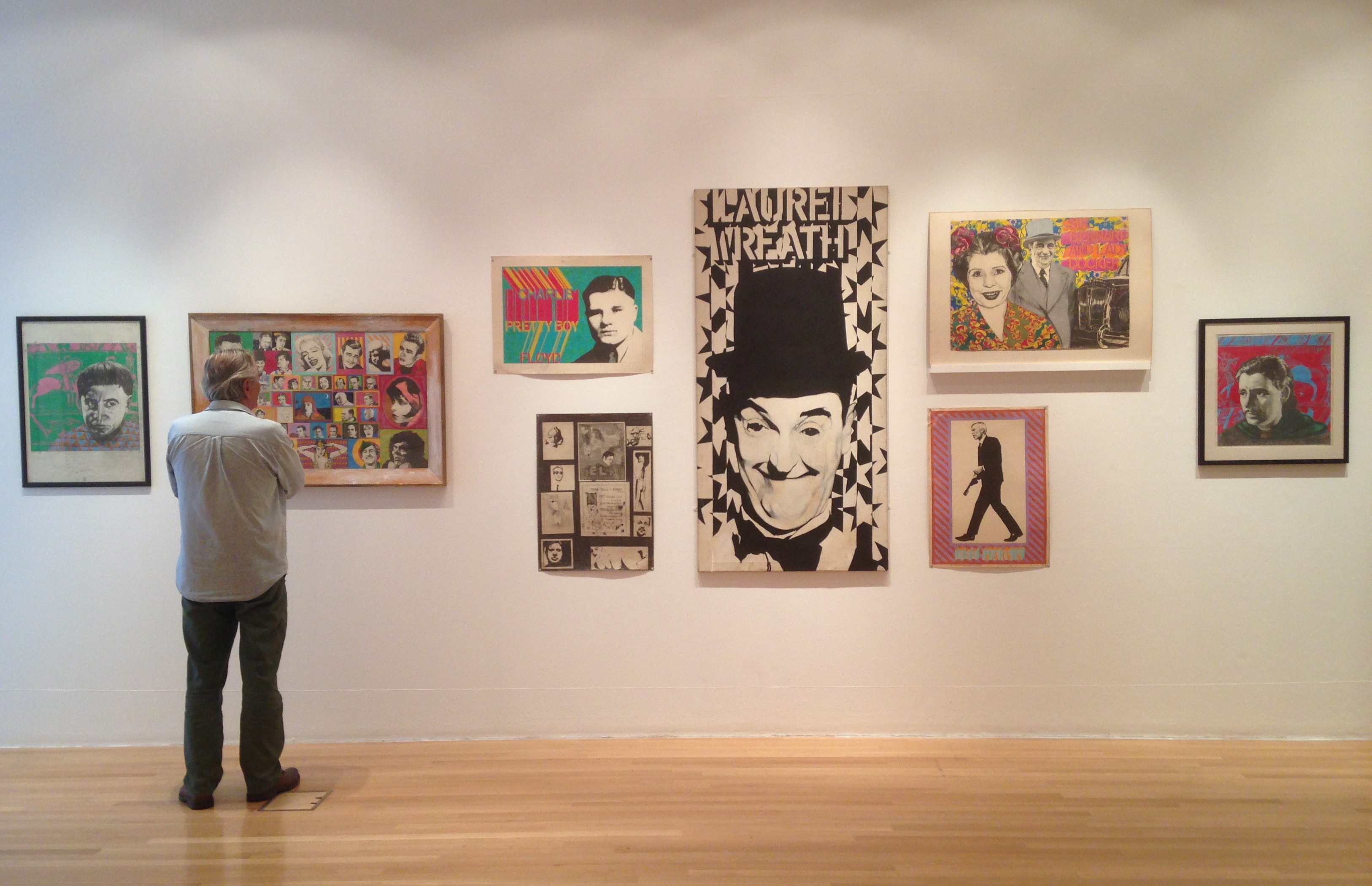
If I’d known they were going to end up in a frame on an art gallery wall, I would have hung on to a few of the bags holding the albums I carried away from Dobell’s Jazz, Folk & Blues record shop in the 60s and 70s. In design terms, they were classics of their era: cool, clean-lined, high-contrast graphics for a cool, clean-lined, high-contrast time. And there they were on Tuesday evening at CHELSEA Space, a small gallery inside the Chelsea College of Art and Design, at the private view of an exhibition devoted to the history of Doug Dobell’s shops, in particular the one he ran at 77 Charing Cross Road.
A good crowd of hipsters turned up for the launch, including the photographer Val Wilmer, whose work lined one of the walls, the poet Hugo Williams, and lots of faces familiar from jazz clubs down the decades. Put together by Donald Smith, the gallery’s director of exhibitions, and Leon Parker of the British Record Shop Archive, the show features dozens of fascinating images, some of the old shop signs and fittings, posters and memorabilia, and even one of the original record players from the listening booths.
The premises at 77 Charing Cross Road had been opened by Dobell’s grandfather as an antiquarian bookshop in 1887. When Doug came out of the army at the end of the Second World War he asked his father if he could sell jazz 78s from a corner of the premises, and before long the discs had taken over from the second-hand books. He started a small record label, 77 Records, and everyone knows the story of how Bob Dylan recorded in the basement there with Richard Farina and Eric von Schmidt in January 1963 under the nom de disque of Blind Boy Grunt. In 1965 Doug took over the next-door premises, No 75, and turned it into a folk and blues department.
The shop survived until 1980, when the developers moved in: the entire west side of Charing Cross Road was demolished, to be replaced by a hideous piece of architecture housing fast-food joints and tourist souvenir shops. I cannot walk down it today without glancing across at the opposite side, where the original buildings survive along with some of the bookshops that gave the street its unique character, and cursing such wanton destruction. Eventually Dobell’s found a new home a couple of minutes away, in Tower Street, which lasted from 1981 until 1992, three years after Doug’s death.
My own experience of Dobell’s began in 1963, on a day trip to London, and it was not an entirely happy one. I was in search of two recent releases from members of the early-60s avant-garde: My Name is Albert Ayler (including an incomparable version of “Summertime”, which you can hear here) and Ken McIntyre’s Year of the Iron Sheep. The rather intimidating bearded man behind the counter was able to put his hands on both albums, but while taking the money from his schoolboy customer he couldn’t resist adding a word of appraisal: “McIntyre’s all right,” he said, “but that bloke Ayler can’t play at all.”
I’m afraid it coloured my view of the place a little, and in the years that followed I was more likely to be found a few minutes away buying records from Ray Smith at Collett’s, first in New Oxford Street and later at the junction of Shaftesbury Avenue and Monmouth Street. But the exhibition is highly enjoyable, conveying a real sense of time and place. I’ve still got that treasured copy of My Name is Albert Ayler, the object of such lofty scorn 50 years ago. I think I’ll play it now.
* The exhibition runs until May 18 at CHELSEA space, 16 John Islip Street, London SW1, just down the road from Tate Britain. There are talks on April 17 and May 15 and a special event on April 20, which is Record Store Day UK. Details: http://www.chelseaspace.org
By the time Brian Eno and I pitched up in New York to make a set of demos with Television in mid-December 1974, Richard Hell was on his way out of the band. I didn’t know that at the time, although it was apparent from his demeanour that he was already somewhat semi-detached from the other three. And perhaps I should have recognised the significance of the fact that none of the five songs we recorded during a three-day stay was written by Richard. They were all the work of Tom Verlaine, which meant no room for “Blank Generation” or “Love Comes in Spurts”, two of the Hell-composed songs that had been performed when I saw the band a couple of months earlier and would become, after Richard had moved on to the Heartbreakers and the Voidoids, anthems of the New Wave.
I suppose that if anyone is entitled to boast of having invented the punk movement of the late 1970s, it’s him. And he does make that claim, quietly but firmly, at various points throughout his new autobiography, I Dreamed I Was a Very Clean Tramp. Published in the US by Ecco, it tells the story of his life from his birth in 1949 up to the point at which he abandoned his career in music, in 1984. Since then Richard has become a novelist (Go Now, Hot and Cold, Godlike, etc), so he knows how to write and his book is an entertaining, informative and mostly unvarnished — although inevitably subjective — story of sex and drugs, garnished with a little rock and roll. Set mostly in the streets of the Lower East Side, its cast of characters includes Patti Smith, Debbie Harry, Dee Dee Ramone, the poet-turned-agent Andrew Wylie, Malcolm McLaren, Seymour Stein, a number of drug dealers and many girlfriends, including the wife of the artist Claes Oldenburg, immortalised in a picture caption that sums up the book’s tone: “At the beginning, she was just a funny rich chick who liked my company and took good care of me and loved having sex.” And, of course, Tom Verlaine, with whom Richard ran away from school in Delaware (they were called Tom Miller and Richard Meyer then) and with whom he was reunited as they created their new identities in New York City in the late Sixties.
No band can exist for long with two leaders, which is how Television started. Especially not when their ambitions are so divergent, as Hell’s and Verlaine’s became. Both were poets, and they collaborated happily on a small poetry magazine during their early years in New York, but only one of them was really interested in music per se. When I talked to Verlaine, our conversations ranged from Booker T and the MGs (later he sent me a copy of their rare Christmas album that he’d found, still shrink-wrapped, in a Chicago thrift shop) to Eric Dolphy and Booker Little, and the way he played and wanted the band to sound reflected his obsessions. Hell was far more interested in what music could achieve on a social plane: not just as a way of getting girls into bed, although that was clearly the priority, but as a vehicle for what became the DIY philosophy of punk. His dandyish deployment of ripped and safety-pinned clothes and his spiky hair certainly made him a pioneer, and there is a certain disdain in his attitude to the way the English new wave appropriated his notions (although he admired McLaren and approved of the Sex Pistols). Not that Verlaine was unaware of the aesthetic dimension: no one ever brought the fugitive-poet look to rock and roll more effectively.
It was in 1972 that Verlaine found a second-hand Danelectro bass guitar for $50 and told Hell that he could teach him enough technique for the kind of music they were going to make together with a drummer, Billy Ficca, in a trio calling itself the Neon Boys. Verlaine himself was on his way to become an expert and highly original guitarist, and a couple of years later he found a fourth member, Richard Lloyd, to help him create the intricate two-guitar filigree that was in his head. Now they were called Television, a name chosen by Hell and approved by Verlaine (“Much later I noticed that ‘TV’ was his initials,” Hell notes drily).
That was the line-up when I was taken by my friends Richard and Lisa Robinson to see them at the Truck and Warehouse Theatre on East 4th Street (now the home of the New York Theatre Workshop) in October 1974. The newly formed Blondie opened the show, replacing the Ramones at short notice and performing a set that, beyond Debbie’s looks, betrayed little of their potential. Television’s set was tense, sometimes rickety, but spellbinding even when a song like the never-recorded ballad “Bluebirds” threatened to fall apart. The one that really made an impact had an unforgettable chorus: “I fell… (Did you feel low?) Not at all.. (Huh?) I fell… right into the arms… of Venus de Milo.” And Verlaine’s stage presence, with its sense of suppressed anguish, was as compelling as his laconic, sidelong delivery. Hell sang “Blank Generation” and “Love Comes in Spurts”, but I’m afraid he and his songs didn’t make much of an impression. I took away a poster for the band’s forthcoming appearances at Club 82, Max’s Kansas City and CBGBs, with approving quotes from from David Bowie, Nick Ray, Lenny Kaye and Patti Smith, plus a list of the 30-odd songs in their repertoire scribbled by Hell in ballpoint pen on the reverse side.
I was running the A&R department at Island Records in London then, and looking for something new, preferably something that wasn’t wearing denim, and when I got home I made arrangements to return as soon as possible and make demos with Television. They were keen, and no other company was interested at the time. I contacted Eno, who readily agreed to help out at the sessions; his presence, I felt, might help to influence my bosses at Island, and he might even get his management company, EG, interested in taking them on.
The studio we used, Good Vibrations at 1440 Broadway, a 25-story office building a block down from Times Square, was not an obvious choice. I booked it because I’d been doing some work with Fania Records, the salsa label, whose records Island released in the UK, and that was where they recorded Ray Barretto, Johnny Pacheco and the rest of their stable, so I’d get a good rate and the use of an experienced engineer, Jon Fausty. And it was only going to be a demo session, so we didn’t really need Electric Lady or the Record Plant.
The five tracks we recorded over the course of two days, and mixed down on the third, have been endlessly bootlegged, often with inaccurate information attached. The tracks were “Prove It”, “Venus de Milo”, “Marquee Moon”, “Friction” and “Double Exposure” — the last of those being the only one that didn’t make it on to their debut album when they finally signed with Elektra two years later. The piano on “Marquee Moon” was played by Tom. Eno played no keyboards and did not sing on the tracks. And the location was not “Fairland Studios, Hollywood”.
Tom didn’t like the way things turned out, and later he blamed Eno. “The whole thing sounded like the Ventures,” he told Viv Goldman in a Sounds interview. “It sounded so bad. I kept on saying, why does it sound so bad? And he’d say, ‘Whaddya mean? It sounds pretty good to me.'” Tom might equally have blamed me or Fausty, but he and Eno didn’t get on, although there was no overt falling out. That still seems a shame. I didn’t realise at the time what a perfectionist Tom was, and that he wanted perfection even on his demos. But did we make those songs sound like the Ventures? I don’t think so. If you know the bootlegs, you judge.
Anyway, I took the tapes home with me and played them to my bosses, crossing my fingers that they’d get the point. Sadly, no one else was greatly impressed, and at the time Island’s success as a small independent label was based on the whole company getting enthusiastic about an artist or a band. In retrospect it would have been good to try and bring them to London, so that people could see them, but it might have been a year or two too early even for that. Tom was disappointed, I was disappointed, and gradually we lost touch. Before long he had squeezed Hell out of the band — they were also divided by their attitude to heroin — and brought in Fred Smith to play bass on their debut single, “Little Johnny Jewel”, released on a label set up by their manager/chief fan Terry Ork, and eventually on Marquee Moon, which deservedly became a classic.
Hell and Verlaine didn’t speak for a long time. “Tom was highly protected, well defended,” Richard writes in a shrewd but hardly impartial assessment of his erstwhile partner’s temperament. “There are good things and bad things about that. It gave him a certain kind of integrity — he wasn’t going to be blown around by fashion, he was discreet and reliable, but it made him really difficult to work with or be friends with. He was afraid of infection and robbery, so he lived in this high, remote, walled-in place, which enabled him to look down on everybody else… I respected his abilities and valued his friendship, but his coldness and egotism came more and more to the fore as he began to get more public attention. He was a lot easier to get along with before strangers started admiring him.”
Maybe Hell saw me as one of those strangers. I didn’t keep up with him because his side of the new wave didn’t interest me greatly, but I listen to everything Verlaine does in order to see if he’s still trying to get closer to the ideal version of what Hell calls his “crystal-clear crisp sweet-guitar suites”. In my view he came nearest to such perfection in Television’s 1992 reunion album, in great songs such as “Shane, She Wrote This”, “1880 or So”, “No Glamour for Willi” and “Call Mr Lee”. So here’s the promo video for “Call Mr Lee”, with wonderful lead work from Richard Lloyd:
and a TV performance of “1880 Or So”:
and, on the basis of equal time, here’s Hell with the Voidoids (including Robert Quine on guitar) in 1979 doing one of his contributions to the early Television repertoire, “Love Comes in Spurts”:
Finally, here’s “Blank Generation”, also filmed at CBGBs the same year, making me think that it’s a pretty good song, after all:
A new Boz Scaggs album is always a welcome arrival in this quarter. Whether it’s a collection of R&B warhorses, a set of jazz standards or — best of all — a clutch of new original songs, there’s a better than even chance that it will throw up an enduring personal favourite like “Loan Me a Dime” (from the first solo album he made after leaving the Steve Miller Band in 1969), “Runnin’ Blue” (from 1971’s Boz Scaggs and Band), “We Were Always Sweethearts” and “Near You” (Moments, also 1971), “Breakdown Dead Ahead” (Middle Man, 1980), the sublime “Sierra” (Some Change, 1994), “Ask Me ‘Bout Nothin’ (But the Blues)” (Come On Home, 1997), and “King of El Paso” and “Thanks to You” (Dig, 2001).
I’ve interviewed him a couple of times, first in 1971, when he was spending time in London (and played a memorable gig at the old Country Club on Haverstock Hill with the fine band from his second album), and then in 1994, on a plane from San Francisco to Los Angeles, when Some Change had just come out, ending a long silence caused by his decision to stay at his Bay Area home in order to be close to his growing sons, following the end of his first marriage. I liked him a lot. He seemed to be a man who had the whole thing in perspective. By pacing his career carefully and not getting too carried away when “Lowdown” and “Lido Shuffle” turned him into a white-suited pop star in the late 1970s, and by holding on to his enthusiasm for music, he’s managed to maintain a consistency so impressive that there’s virtually no one of his generation whose releases I look forward to more, even though I know they’re not going to be pushing back any boundaries.
The new one is called Memphis, because that’s where it was recorded. In Willie Mitchell’s Royal Recording Studios, in fact, with a basic band of Scaggs himself and Ray Parker Jr on guitars, Willie Weeks on bass and Steve Jordan on drums, plus guests including Charles Hodges on organ, Spooner Oldham on various keyboards, Keb’ Mo’ and Eddie Willis on guitars, Charlie Musselwhite on harmonica, the crack horn section of Ben Cauley (trumpet), Jack Hale (trombone), Lannie McMillan (tenor) and Jim Horn (baritone), and a small string section arranged by Mitchell and Lester Snell.
Many of the songs will be familiar to fans of rock ‘n’ soul, among them Brook Benton’s “Rainy Night in Georgia”, the Moments’ “Love on a Two Way Street”, Tyrone Davis’s “Can I Change My Mind”, Jimmy Reed’s ‘You Got Me Cryin'”, Al Green’s “So Good to Be Here” and — the biggest surprise — Steely Dan’s “Pearl of the Quarter”. They’re done in the way you’d expect from Boz, which is to say with taste and finesse and respect. Too much of all those qualities for some people, probably, but it doesn’t bother me, although I’m not as bowled over by his gentle version of “Corrina, Corrina” as others seem to be: I’m happy to stick with the reading of this lovely song included 50 years ago in The Freewheelin’ Bob Dylan. “Rainy Night in Georgia”, “Can I Change My Mind” and Moon Martin’s “Cadillac Walk” are also a little on the underwhelming side. An immaculately sharp treatment of Willy DeVille’s “Mixed Up, Shook Up Girl” (nothing to do with Patty and the Emblems’ girl-group classic of the same name) is the track I’m going to take away from this album, along with the opener, a slinky Scaggs original called “Gone Baby Gone” in which he taps into the real Memphis vibe. And that’ll do for me.
This beautiful painting, by Emma Matthews, forms the cover of Chris Petit’s new vinyl LP, Museum of Loneliness. It reminds me of the days when record companies had art directors who viewed the 12×12 space on the front of an album as an opportunity to do something interesting, creative, and complementary to the content of the package, which is what is happening here.
What is the Museum of Loneliness? In Petit’s words, it exists to “embark on a series of projects of infiltration” including audio projects that might feature “installations from the memory bank; non-radio exercises for radio and i-players. Sound montages for the electronic age, the audio equivalent to channel-hopping, sound quilts, alternative programming. Cubist radio. Post-DJ. Cut-ups. Audio junk. Electromagnetic slums. Music played in another room. Lonely songs for lonely places.”
There are no discernible songs, lonely or otherwise, on this album. On the first side Petit reads extracts from his fiction, including Robinson (1993), his debut novel; on the second he reads what is in effect the Museum’s manifesto. His voice is set into sound-beds compiled from a variety of sources — “last year’s traffic news… tinny surveillance recordings… dead weather reports… calls waiting… dial-up internet connections” — by Jess Chandler and Will Shutes of the Test Centre, the producers of this disc. There’s a short extract from it on this page; you’ll get the idea.
I first met Petit in the mid-1970s at Time Out, where he edited the film section. His career as a director started in 1979 with Radio On, a British road movie which made extensive and highly effective use of contemporaneous music (Berlin-era Bowie, Kraftwerk, Ian Dury, Robert Fripp, Wreckless Eric, etc). It was around that time that I sent him to Germany to write a long piece for the Melody Maker about what was happening in German music; he spoke to Ralf Hutter and Florian Schneider, to Frank Farian (the producer of Boney M), and to the producer/engineer Conny Plank, who gave him a memorable quote: “The future will be a little bit kitsch, but ice-cold.”
Some of that future can be discerned in Museum of Loneliness, which is released in an edition of 600 copies (www.test centre.org.uk). Petit will be appearing at the Whitechapel Gallery in East London on May 2, talking about his project and showing Asylum, one of the four films he has made with his pal Iain Sinclair, who will also be present.
There’s something about John Coltrane that makes obsessives of us all, from the people who set up a religion in his name 40 years ago (still flourishing as the St John Will.I.Am Coltrane African Orthodox Church on Fillmore Street in San Francisco, and here is one of their icons) to fellow musicians: I remember visiting the great saxophonist Evan Parker’s house many years ago and looking enviously at the shelf containing what appeared to be the complete works, including a row of immaculate orange Impulse album spines.
Forty five years after his death, every time I walk into a record shop I still head to the Coltrane section in the hope that I’ll discover he’s done something new — and if that’s too much to ask, then maybe someone will have unearthed a previously unknown session or concert tape, like the fascinating 1960 audience recording from the Jazz Gallery in New York which made its appearance a couple of years ago. It featured a hitherto unheard (at least by me) prototype version of what would become Coltrane’s classic quartet, with McCoy Tyner on piano, Steve Davis on bass and Pete LaRoca on drums, the last two eventually to be replaced by Jimmy Garrison and Elvin Jones.
One day the well will run dry, and every note Coltrane played during his two decades of professional activity will be available in some form or other. But that may take a while, to judge from the entries in The John Coltrane Reference, an 800-page large-format soft back volume just published by Routledge in the UK. It will set you back around £40, but the depth of scholarship exhibited by the four authors — Chris DeVito, Yasuhiro Fujioka, Wolf Schmaler and David Wild — and their editor, Lewis Porter, makes the outlay seem a bit of a bargain.
A sort of catalogue raisonee of his career, the book is divided into two halves. The first is a chronology, listing all known public appearances, with as many details of location and personnel as possible, sometimes enhanced by extracts from relevant newspaper and magazine articles. The second is a discography, which appears to list every known reissue: a formidable undertaking. The first section begins with his stint with the band of the trumpeter King Kolax in 1947 and ends with his final concert, at Baltimore’s Famous Ballroom for the Left Bank Jazz Society in May 1967, two months before his death. The second opens in 1946, when Coltrane was still in the services, with an informal session recorded by a US Navy band on the Hawaiian island of Oahu, and ends with an unreleased session for Impulse at Rudy Van Gelder’s New Jersey studio 10 days after the Baltimore date.
There is a section of photographs, some of them previously unknown to me, along with reproductions of early record labels (including 78s under the leadership of Dizzy Gillespie, Gay Crosse, Earl Bostic and Johnny Hodges) and concert and club advertisements. There is also a page of his original contract with Prestige Records, containing a reminder that musicians were once paid their royalties on only 90 per cent of the records sent out from the pressing plants, because it was assumed, in the days of brittle shellac, that one in 10 would be broken before the shipment reached the stores (an arrangement that, to the industry’s great discredit, was maintained well into the 1970s).
All this might seem like a version of stamp-collecting, were Coltrane’s legacy not so rich in meaning and beauty. What this apparently dry work of reference does is send the listener back to the music, hungry for more.
Since everybody else seems to have shared their memories of Television Centre, the home of most of the BBC’s visual output for the past half-century, which the corporation finally abandoned to the developers today, I might as well join in. It was from that distinctive building in Shepherds Bush that the first series of The Old Grey Whistle Test, which I presented, was broadcast live on Tuesday nights in 1971-72, and here is a photograph (by Robert Ellis) of Ornette Coleman being interviewed by me on the programme in 1972.
Ornette was not your typical OGWT guest. He was in London to record his symphonic work, Skies of America, at Abbey Road with the LSO, and I had to plead a bit with the producer, Mike Appleton, to get him on the show. It was one of my happiest moments of the series, along with the appearances of Curtis Mayfield and John Martyn, and the night Dr John came into the studio and, in the guise of Mac Rebennack, sat down at an upright piano and spent a mesmerising 10 minutes working his way through the history of New Orleans keyboard styles. And who would not have cherished the night Captain Beefheart arrived to present his paintings to the world? They were strikingly excellent, and gave an indication of the direction he would take when he re-adopted the identity of Don Van Vliet a few years later.
A lot of the series wasn’t so much fun for me, particularly some of interviews (notably those with a near-psychotic Jerry Lee Lewis, a sneery Mick Jagger and a sarky Randy Newman — each one no doubt a justified response to my indifferent interrogational technique). That’s why I called it quits at the end of the first series and returned to the typewriter. I thought the programme needed someone more extrovert to front it. Mike, however, chose to hand the baton to Whispering Bob, who was even quieter than me. It wasn’t for a couple of decades that Jools Holland and his producer Mark Cooper came along with Later, which in its early days was almost exactly the kind of programme I’d have liked the OGWT to be: musicians playing live, without many restrictions.
That first series was broadcast from a studio called Presentation B, which measured 32ft by 22ft and had been designed for reading the news. Somehow bands managed to crowd into it, along with a couple of big old 1950s-style cameras, while the production staff occupied a control room the size of a phone box. And Curtis Mayfield’s wonderful band turned their amps all the way down to 1 but managed to make their short set sound and feel like the best gig happening anywhere in the world that night.