Bob Dylan and Barbara Allen

Not surprisingly, I’ve spent more than the usual amount of time over the last two or three days listening to Bob Dylan, although it wasn’t because I needed to persuade myself that he deserved the Nobel committee’s 2016 prize for literature. Funnily enough, the track I’ve ended up playing constantly is one that he didn’t write: the Anglo-Scottish ballad “Barbara Allen”, which dates back to the mid-17th century. It is said to have been a staple of his repertoire in his early days in the Greenwich Village folk clubs, and he has credited it as one of the traditional ballads which taught him that songs could be more than three minutes long. In that sense it played a part in the creation of “Desolation Row”, “Sad Eyed Lady of the Lowlands”, “Tangled up in Blue”, “Isis”, “Brownsville Girl”, “‘Cross the Green Mountain” and his other epics.
A live performance of the song from his apprentice years is included on Live at the Gaslight 1962, taped in the MacDougal Street basement in October that year, while he was in the middle of recording Freewheelin’. There are three things that give it a prominent place in my list of secret Dylan favourites (alongside “House Carpenter”, “Yeah Heavy and a Bottle of Bread”, “Going, Going, Gone”, “Changing of the Guard” and the live version of “Queen Jane Approximately” with the Grateful Dead).
The first and most obvious is his tone, for which only the word “tender” will do, and which is perfectly suited to a tale that ends with the entwining of a red rose and a briar growing out of the graves of the two protagonists. As so often from his performances in this period, you can only wonder at the depth of feeling with which the 21-year-old imbues the song. The second is the artful way he handles the song’s cadences, using his voice and guitar to create tension by stretching and releasing the lines in the way that would become an important factor in some of his best songs (e.g. “It’s Alright, Ma”).
The third is tiny but, to me at least, significant. Most people singing this ballad, including Joan Baez, Emmylou Harris and Dolly Parton, begin with the lines “Twas in the merry month of May / When the green buds all were swelling / Sweet William on his death bed lay / For love of Barbara Allen.” Dylan prefers an alternative version, which was also known before the song made its Atlantic crossing, and which usually goes thus: “In Scarlet Town, not far from here, / There was a fair maid dwelling / And her name was known both far and near / And her name was Barbara Allen.” Then he sings the verse with which others open it. I like his way of opening it better: it’s more direct, more compelling.
But he does something else. He changes “Scarlet Town” — which apparently may originally have been a play on the name of the English town of Reading — to “Charlottetown”. It turns out that there are only two places of that name recorded in the Times Atlas of the World. One is in Guyana. The other is on Prince Edward Island in Canada, which turns out to be on the same latitude — just a little above the 46th parallel — as Duluth, Minnesota, Dylan’s birthplace.
They’re 1,350 miles apart, as the black crow flies, but unless somebody can tell me that other singers before Dylan made the same substitution, I’m going to think of it as a conscious choice with an intention behind it. To me, it’s an early example of how he was starting to construct his own songs by reassembling, reshaping and repurposing existing materials, a modus operandi sustained from “Hard Rain” to “Early Roman Kings”. For that reason, I find it unusually moving. And after all, more than 50 years later, on Tempest, his most recent album of his own songs, he included a piece which began “In Scarlet Town, where I was born…”
* The photograph above was taken in 1962 by Joe Alper, whose other images of Dylan can be found at http://www.wallofsoundgallery.com.
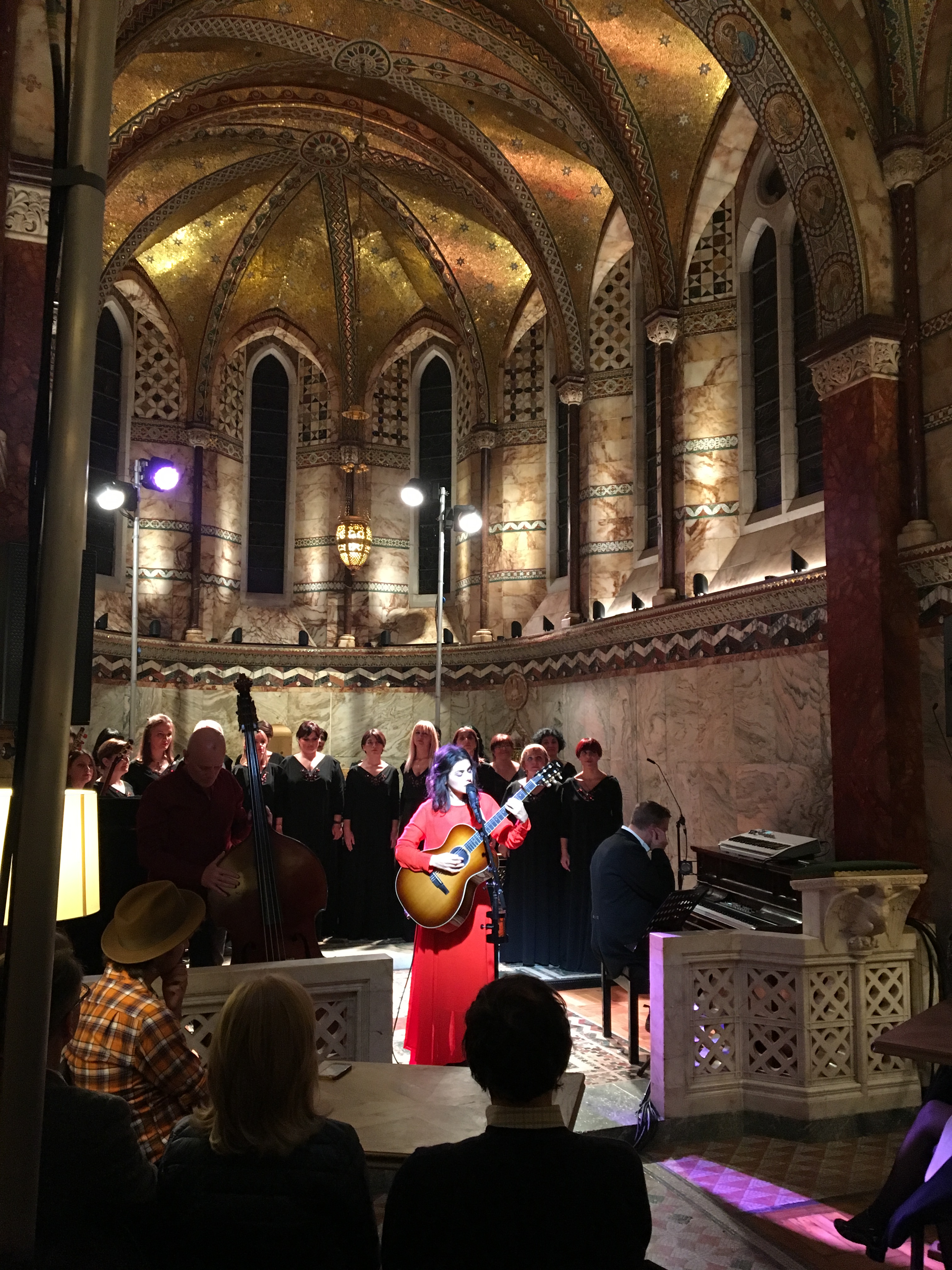 To be perfectly frank, I didn’t know much about the life and work of Katie Melua before I was invited to a small showcase concert of the music from her new album, In Winter, in which she is accompanied by the 23-strong Gori Women’s Choir from Georgia, the country in which — as I quickly discovered — she was born 32 years ago. I knew even less about the Fitzroy Chapel, formerly part of the Middlesex Hospital, which was demolished a few years ago to make way for — you guessed it — luxury apartments, with the Grade II*-listed chapel at the core of the new complex.
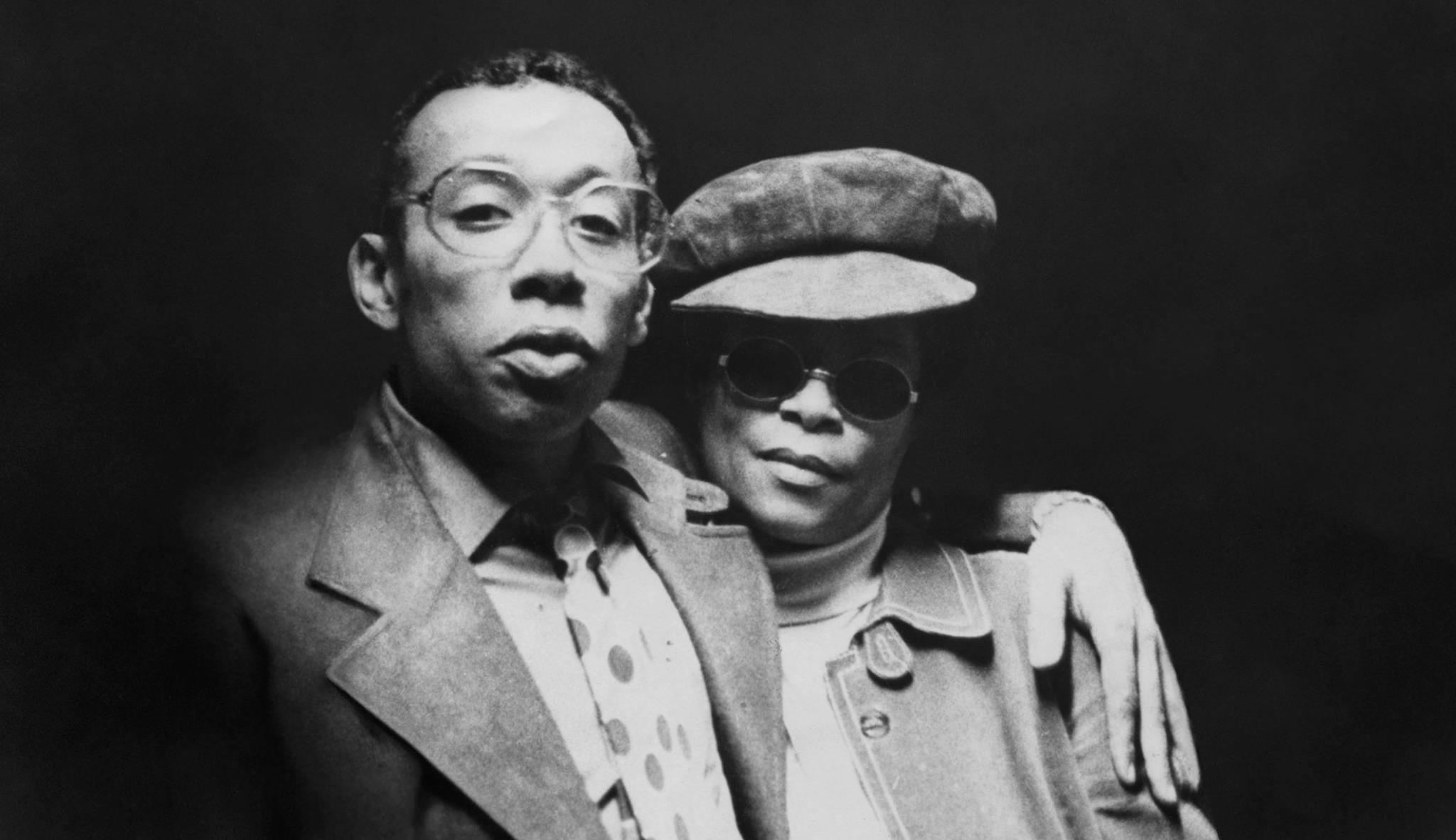 Two voices dominate I Called Him Morgan, Kasper Collin’s new documentary about the trumpeter Lee Morgan, which was screened at the weekend as part of the London Film Festival. The first is that of Morgan’s horn, of course. The second is that of Helen Moore, who rescued him from heroin addiction in the late ’60s and then, seemingly driven to distraction by his infidelity, shot him dead in front of his own audience at Slugs’ Saloon on New York’s Lower East Side one midwinter night in 1972.
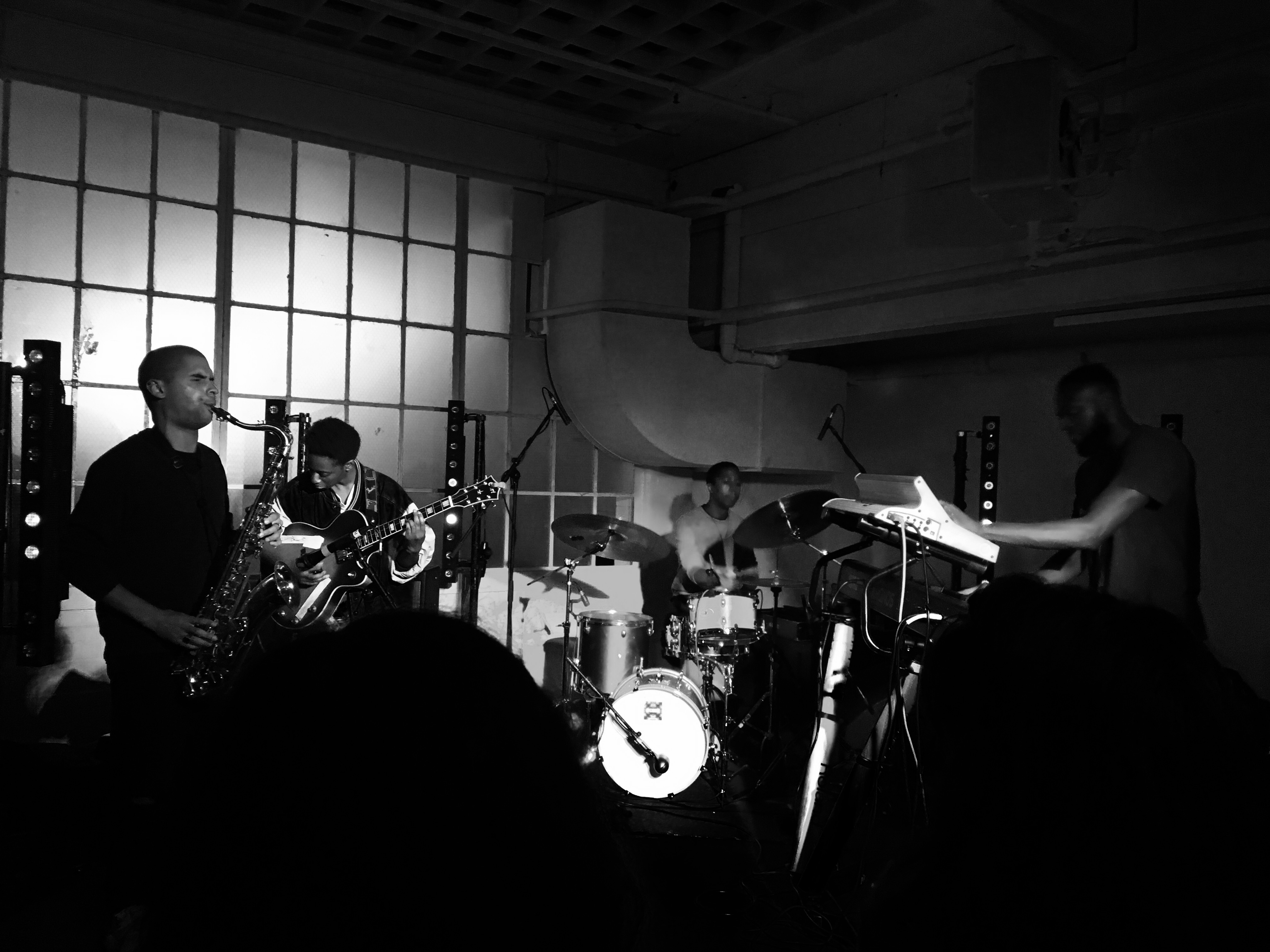 It’s Frieze week in London, meaning that the streets of the more fashionable quarters of the city are thronged with art people. Last night some of them made their way to a party thrown by the Timothy Taylor Gallery in a Soho basement beneath the Phonica vinyl record shop on Poland Street, where the music was provided by a quartet under the leadership of the drummer Moses Boyd.
 Towards the end of Eight Days a Week, Ron Howard’s Beatles new documentary, all reason and proportion briefly fled and I was overpowered by a sense of rage. Those bloody Americans: it was all their fault. With their idiotic 50,000-seater stadiums and their imbecilic urge to misconstrue a perfectly innocent remark about Christianity in a John Lennon interview, they ruined the whole thing.
  Orphy Robinson must have known he’d had a great idea when he put together an octet to celebrate the music of the late
  One of the great qualities of Terry Riley’s In C, a foundational work of modern music, is that it can be played by any number of people using any kind of instruments for as long as they choose to make its sequence of 53 motifs last. Since the appearance of the original album in 1968 it has been recorded by a wide variety of ensembles, including the Shanghai Film Orchestra, Acid Mothers Temple, the Salt Lake Electric Ensemble, Adrian Utley’s Guitar Orchestra, and Africa Express with Damon Albarn and Brian Eno. The original album version lasted 42 minutes, but it can be made to go on much longer. (I haven’t heard of an attempt to compress it into the length of a 45rpm single, but I’ll bet someone’s had a go.)
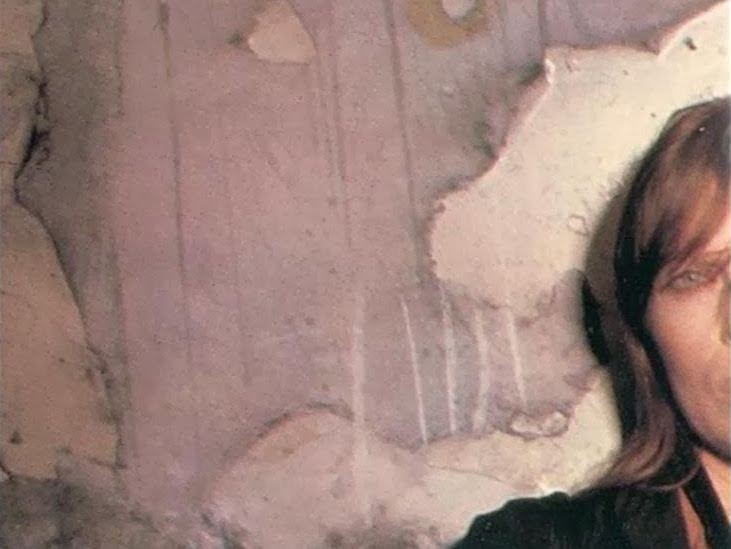 Nico died in Ibiza, a place she had loved for many years, one hot July day in 1988. Leaving the rented farmhouse where she was staying with her son, Ari, she headed into town, apparently intending to buy some hashish. At some point in the journey she fell from her bicycle and suffered a head injury. It was not until the following day that Ari called the police, gave them a description, and received the news that she had died in hospital.
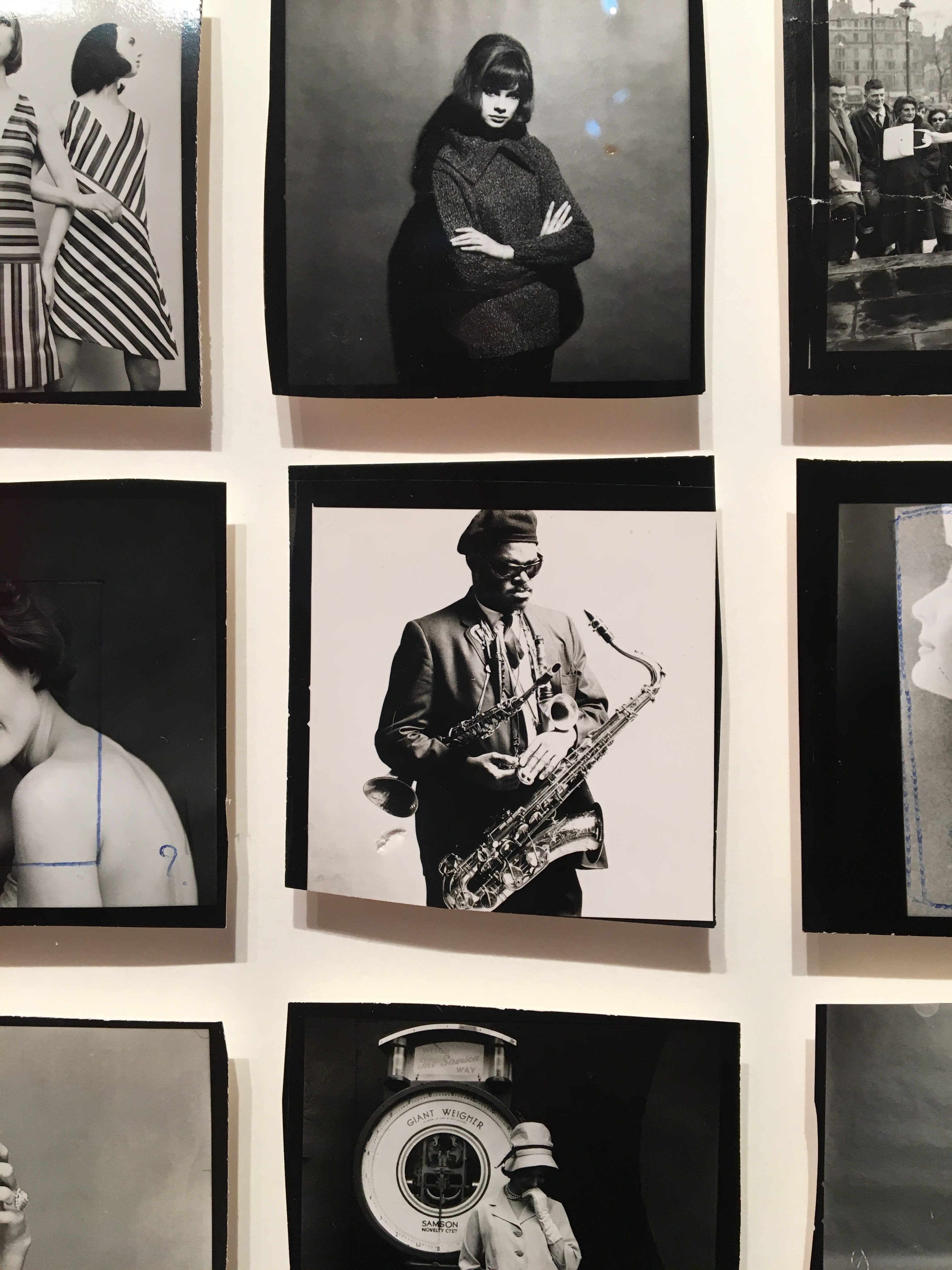 Here’s a surprise: in the middle of an assembly of frames snipped from contact prints included in a Photographers’ Gallery show of the work of the late Terence Donovan, there’s a picture of Roland Kirk. It was taken in 1963, during the American multi-instrumentalist’s first visit to London, when he played a season at Ronnie Scott’s Club — the original one on Gerrard Street in Chinatown — and a few concert dates around the country.
 Philip Clemo did well to attract Arve Henriksen not only to play on his sixth album but to participate as a member of the octet that launched Dream Maps in Kings Cross last night. The Scottish-born guitarist and composer’s work was greatly enhanced by the contribution of the Norwegian trumpeter and singer, who proved himself an excellent team player as Clemo’s soundscapes unfolded beneath a screen on which film of tundras, mountains and oceans gave an indication of the music’s subtexts.
 thebluemoment.com