The Necks at the Union Chapel
 The beautiful Union Chapel in Islington proved to be the perfect final stop for the Necks’ short UK round of pipe organ concerts last night. They were sharing the series, titled The Secret Life of Organs, with James McVinnie, who opened the evening with two pieces by Philip Glass and two short suites by Tom Jenkinson (better known to electronica fans as Squarepusher).
By comparison with the Necks’ appearance at the Kaiser Wilhelm Memorial Church in Berlin last November, this hour-long set more closely resembled what one often hears in their performances using the conventional piano-trio format: an initial gathering of resources leading to surging and slowly mutating waves of sound.
In Berlin most of the audience, facing the altar, could not see the musicians, who were perched in the organ loft/choir balcony above the main door. In London the listeners were facing a stage on which Lloyd Swanton (bass) and Tony Buck (drums) did their stuff. Chris Abrahams was hidden away at the organ console behind the huge central pulpit, but his hands — and the pipes and bellows of the organ — could be seen on a large screen.
Not surprisingly, the sound balance favoured the organ, which was built in 1877 and features 2,000 pipes. Buck’s chattering and rattling percussive commentary could be heard clearly enough, but you had to watch Swanton closely if you wanted to make out his individual contribution. The bass player’s job in this environment, with Abrahams having the organ’s foot pedals at his disposal, is the hardest of three.
It’s fascinating to hear these musicians adapting to the circumstances, and in particularly to the way the various organs “speak”. I hope they release an album of one of these performances. Meanwhile, Abrahams has a new solo CD, Fluid to the Influence, which contains a great deal of absorbing music assembled on a variety of acoustic and electronic keyboard instruments and one marvellous track, “Trumpets of Bindweed”, on which he plays the pipe organ at the Melbourne Town Hall, where the Necks gave their first organ concert in 2005.
Last night they brought the set back to silence with one of those conclusions whose combination of spontaneous mutual decision-making and intuitive aesthetic logic simply take your breath away. Only improvisers can do this.
* The Secret Life of Organs was part of the Barbican’s contemporary music series, co-presented with No-Nation. Future concerts feature the Kronos Quartet, the Bang on a Can All Stars, and Colin Stetson + Sarah Neufeld.
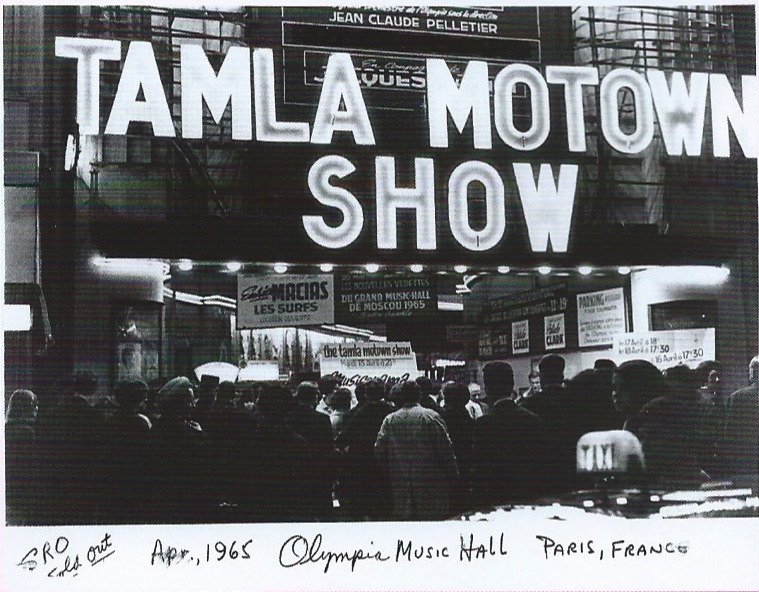
 It’s 30 years today since Richard Manuel took his own life in his room at the Quality Inn motel, Winter Park, Florida, a few hours after a gig. Born 42 years earlier in Stratford, Ontario, Manuel was both the owner of one of the most emotionally direct and affecting voices in the history of rock and roll and a member of what had been, by common agreement of most of the people I know, its finest band.
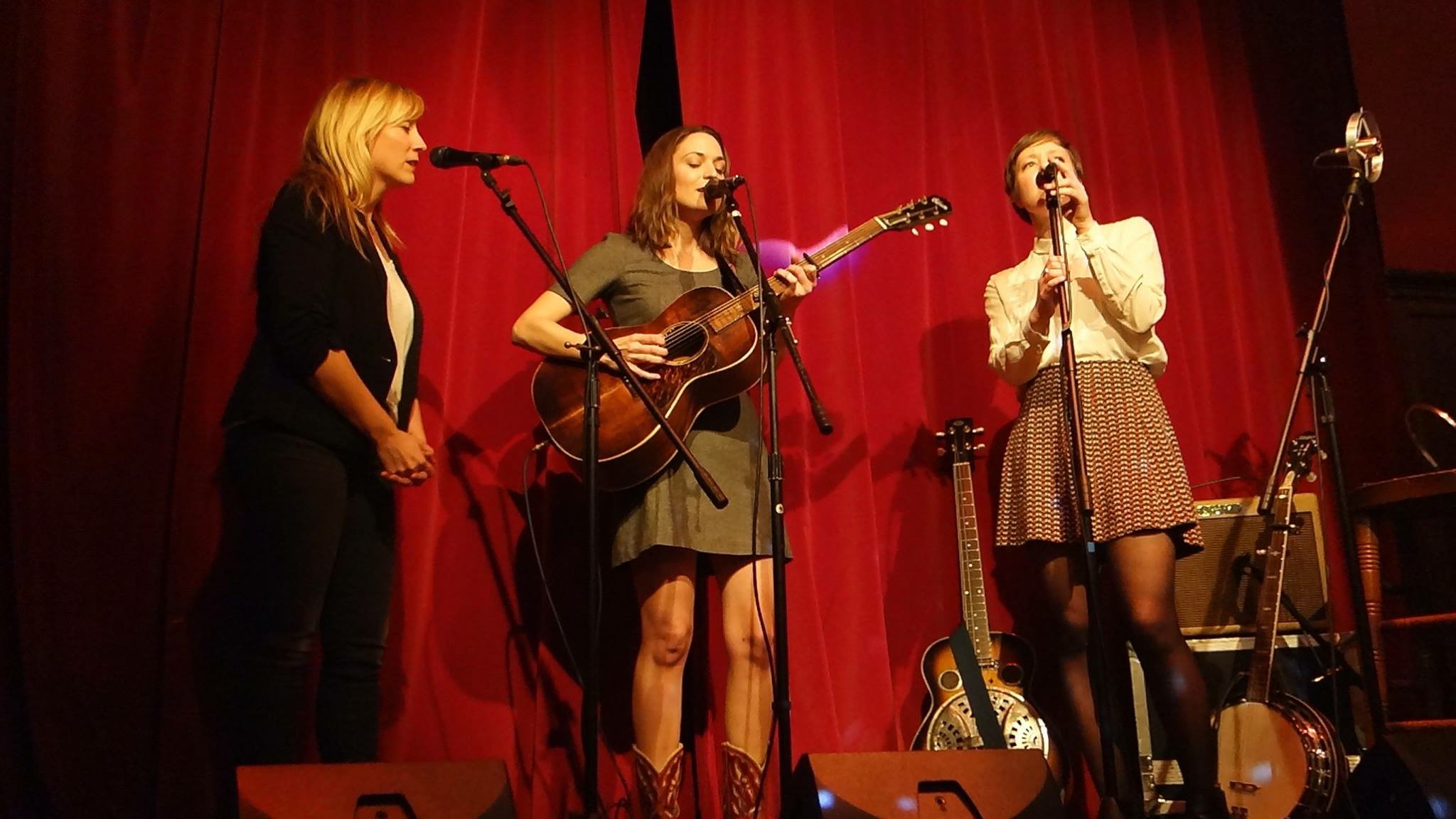 Applewood Road, a trio of female singer-songwriters, recorded their first album around a single microphone. Last night they went one better, clustering around an upright piano at the side of the stage in the Exmouth Market Centre to perform their encore with no amplification whatever.
 When Maurice White told me that he’d deputised for the absent Elvin Jones with the John Coltrane Quartet at a Chicago jazz club called McKie’s in the early 1960s, I was as impressed as I’d been by anything Earth, Wind & Fire had played at the OMNI arena in Atlanta the previous night.
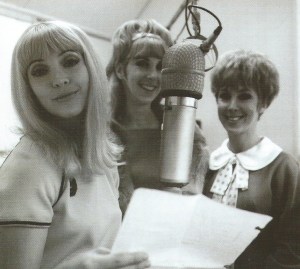 So now we know that Veronica Bennett was not the first lead singer of a female vocal trio to whom Phil Spector proposed marriage. That would be Priscilla Paris, according to the testimony of her sister Sherrell in the sleeve notes to Always Heavenly, the first proper retrospective of the Paris Sisters’ intriguing career, put together by the Ace label from the group’s recordings for several labels between 1961 and 1968.
 For many years I dismissed David Bowie as a shallow opportunist. What was he doing that Andy Warhol and Lou Reed, conceptually and musically, hadn’t done with more wit and originality? I saw him at the Greyhound in Croydon in the summer of 1972, supported by Roxy Music in a pub room that can’t have held more than 200 people. He did the Ziggy Stardust thing, he and the band in full costume, and I didn’t care for it much.
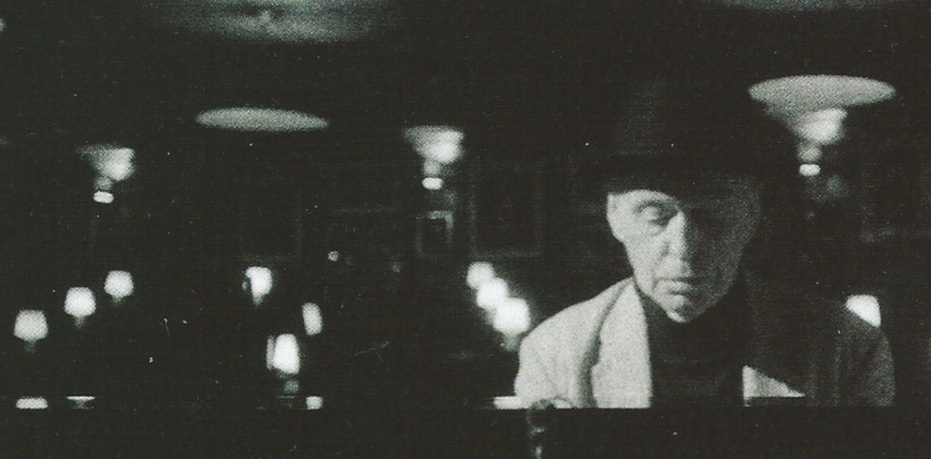 Can it really be true that, as Georgie Fame intimates, we should take the title of his new album seriously? Swan Songs is credited to “Georgie Fame and the Last Blue Flames”. It is, he says, his final recording. “In the twilight of a long career / When dementia’s all I have to fear / If I ever get to lose these blues / I’ve learned to put my life to better use,” he sings, and the compositions with which he fills the album seem designed to provide both a summary and a valediction.
 thebluemoment.com