Remembering Bobby Hutcherson
 Orphy Robinson must have known he’d had a great idea when he put together an octet to celebrate the music of the late Bobby Hutcherson at the church of St James the Great in Hackney on Thursday night. But I don’t think he can have expected the large crowd who turned up to respond in quite the way they did.
Fans of contemporary jazz generally listen to their music with a silent attentiveness, occasionally applauding a solo but mostly reserving their signs of approval until the end of a piece. That wasn’t the case on Thursday. The unusual fervour of the music was matched by the response of the listeners, who shouted approval and encouragement during solos in a manner associated with the tenor battles of the 1940s.
Somehow, on this occasion, the musicians had accessed a different spirit. To me, it was the spirit of gospel music: the wave of emotion that can lift you to another level of feeling, in which inhibitions are broken down. Doubly appropriate, given the venue and the fact that the organisers were the promoters of a series known as Church of Sound.
Putting together the evening’s repertoire, Orphy mixed Hutcherson’s own compositions with those from other writers that the great vibraphonist recorded during his long career. I was only able to stay for the first of the two sets, so I missed the versions of Eric Dolphy’s “Gazzelloni” and “Hat and Beard” from the classic Out to Lunch. But I loved the arrangements devised for Eddie Marshall’s boppish “Knucklebean”, James Leary’s “So Far, So Good” and Hutcherson’s oft-recorded “Little B’s Poem” and the rousing “8/4 Beat”.
The line-up was a dream. Byron Wallen (trumpet), Roland Sutherland (flute), Tony Kofi (alto), Nubya Garcia (tenor), the leader on marimba and electric vibraphone, Robert Mitchell (piano), Dudley Philips (double bass) and Moses Boyd (drums) set up in the middle of the church, facing each other, surrounded by their listeners. As with the monthly Jazz in the Round series at the Cockpit Theatre, it made this seem the best possible physical format for jazz.
Kofi came close to blowing the doors off the place every time he took a solo. Orphy unleashed dazzling cross-hatched patterns of melody that skittered around the vaulted ceiling. Mitchell played one lengthy solo — on “8/4 Beat”, I think — of such ferocious emotional intensity that it threatened to melt his small electronic keyboard. And in an immaculate rhythm section, it was a special treat to hear Boyd playing straight time with such a lovely feel for swing, blending the alert crispness of Tony Williams with the beatific serenity of Billy Higgins.
The sound wasn’t perfect, but it didn’t matter a bit. Sometimes, for whatever reason, music goes beyond all the things that make it up and finds its way into a fourth dimension. This was one of those times.
 One of the great qualities of Terry Riley’s In C, a foundational work of modern music, is that it can be played by any number of people using any kind of instruments for as long as they choose to make its sequence of 53 motifs last. Since the appearance of the original album in 1968 it has been recorded by a wide variety of ensembles, including the Shanghai Film Orchestra, Acid Mothers Temple, the Salt Lake Electric Ensemble, Adrian Utley’s Guitar Orchestra, and Africa Express with Damon Albarn and Brian Eno. The original album version lasted 42 minutes, but it can be made to go on much longer. (I haven’t heard of an attempt to compress it into the length of a 45rpm single, but I’ll bet someone’s had a go.)
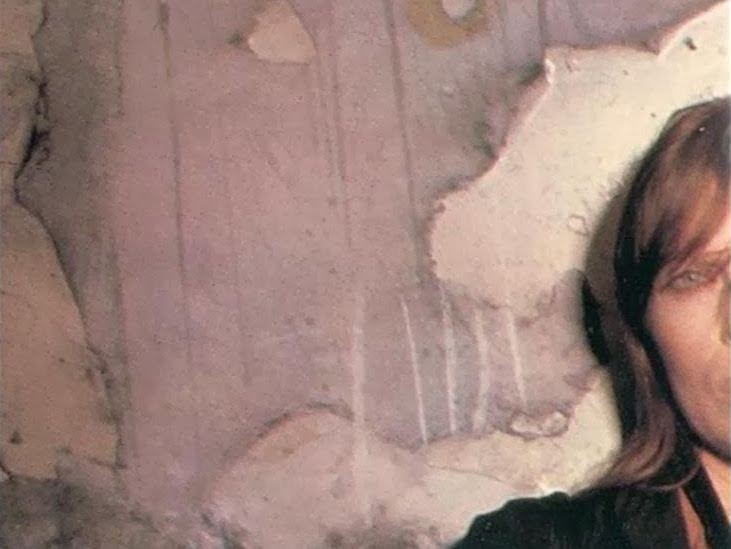 Nico died in Ibiza, a place she had loved for many years, one hot July day in 1988. Leaving the rented farmhouse where she was staying with her son, Ari, she headed into town, apparently intending to buy some hashish. At some point in the journey she fell from her bicycle and suffered a head injury. It was not until the following day that Ari called the police, gave them a description, and received the news that she had died in hospital.
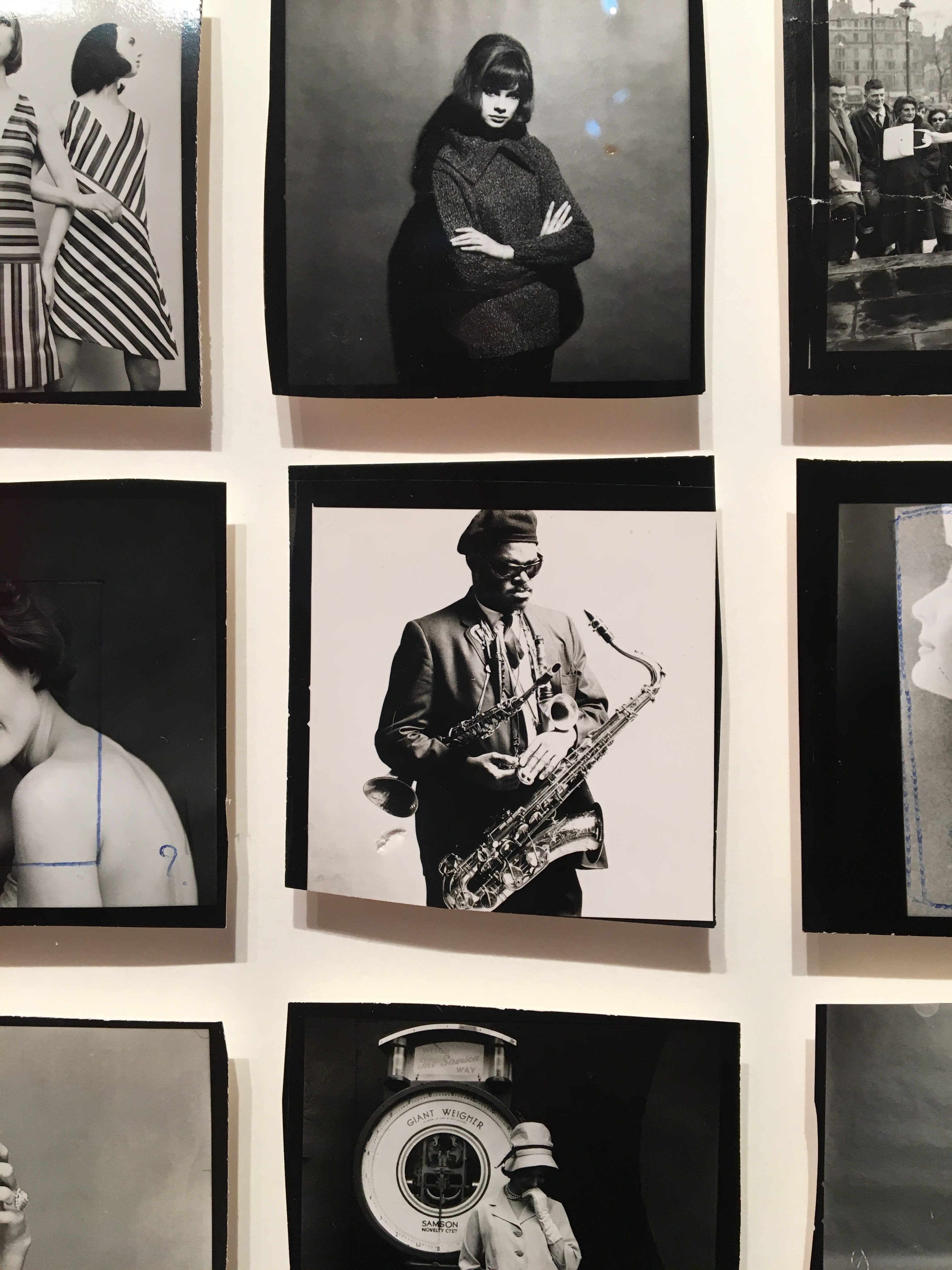 Here’s a surprise: in the middle of an assembly of frames snipped from contact prints included in a Photographers’ Gallery show of the work of the late Terence Donovan, there’s a picture of Roland Kirk. It was taken in 1963, during the American multi-instrumentalist’s first visit to London, when he played a season at Ronnie Scott’s Club — the original one on Gerrard Street in Chinatown — and a few concert dates around the country.
 Philip Clemo did well to attract Arve Henriksen not only to play on his sixth album but to participate as a member of the octet that launched Dream Maps in Kings Cross last night. The Scottish-born guitarist and composer’s work was greatly enhanced by the contribution of the Norwegian trumpeter and singer, who proved himself an excellent team player as Clemo’s soundscapes unfolded beneath a screen on which film of tundras, mountains and oceans gave an indication of the music’s subtexts.
 So I’m wandering into Mayfair on Monday, on my way to the launch party for this year’s EFG London Jazz Festival, and I have 10 minutes to spare. On Dover Street there’s an antiquarian book shop called Peter Harrington. I’ve never been in there before but there’s some nice stuff in the window so I open the door.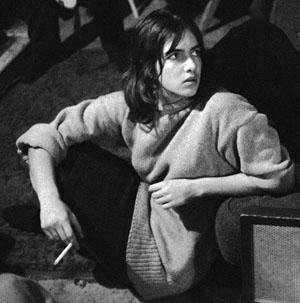

 thebluemoment.com