Voces humanae

Amazing, isn’t it, that even in this Tower of Babel an individual human voice can be unmistakeable. Mavis Staples sounds like Mavis Staples. Boz Scaggs sounds like Boz Scaggs. No one else. And over the decades those voices become trusted friends. Each of them has a new album out that suggests, as they head towards the inevitable end of long careers (Mavis is 86, Boz is 81), that they could never outstay their welcome.
After albums with Ry Cooder, Jeff Tweedy and Ben Harper in the producer’s chair, it’s the turn of Brad Cook, whose credits include Bon Iver and Nathaniel Rateliff and the Night Sweats, to supervise Mavis’s new album. He doesn’t let her down.
The song selection on Sad and Beautiful World is thoughtful and empathetic, starting with the conscious boogie-shuffle of Tom Waits and Kathleen Brennan’s “Chicago” and proceeding through Gillian Welch and David Rawlings’ “Hard Times”, Curtis Mayfield’s “We Got to Have Peace” and Leonard Cohen’s “Anthem” to Eddie Hinton’s “Everybody Needs Love” via material less familiar to me. The most striking of those is Frank Ocean and James Ho’s “Godspeed”, set in a dense instrumental weave that summons all the best elements of Americana into one perfect arrangement.
There’s no showing off by the many fine players involved on the 10 tracks, but I love Derek Trucks’ beautiful slide guitar decorating “Hard Times” and the glinting pedal steel of Colin Croom on “A Satisfied Mind”, the gorgeous country song by Red Hayes and Jack Rhodes, whose many cover versions go back to 1954 and Mahalia Jackson — perhaps the exemplar Mavis had in mind. And to take us out, there’s a backing choir on “Everybody Needs Love” consisting of Bonnie Raitt, Patterson Hood, Kate Crutchfield and Nathaniel Rateliff. Everybody loves Mavis, don’t they?
For Detour, Boz Scaggs returns to the sort of American standards he investigated on But Beautiful in 2003 and Speak Low in 2008, although it sells a dummy straight away by opening with a night-club version of Allen Toussaint’s “It”s Raining” before settling into the likes of “Angel Eyes”, “The Very Thought of You” and “We’ll Be Together Again”. After the very fine arrangements by Gil Goldstein that helped make Speak Low such a success, here Scaggs favours the more stripped-back setting of a piano trio with the lightest touches of string arrangements here and there.
OK, you could say that his “Angel Eyes” and “Once I Loved” don’t match those of, say, Sinatra and Shirley Horn respectively, but if you like Scaggs’ voice as much as I do, you won’t be worried by that — and you’ll be delighted to hear him excavate “I’ll Be Long Gone”, a waltz-time song from his very first solo album back in 1969, refurbishing it with a deeper, richer, more controlled approach.
Sometimes these American Songbook projects work (Bob Dylan) and sometimes they don’t (Rod Stewart), their success largely dependent on what their significance is to the singers and how much real appreciation they have of the art of the men wrote the melodies and lyrics. I don’t think there’s much doubt on which side of the divide Boz Scaggs falls.


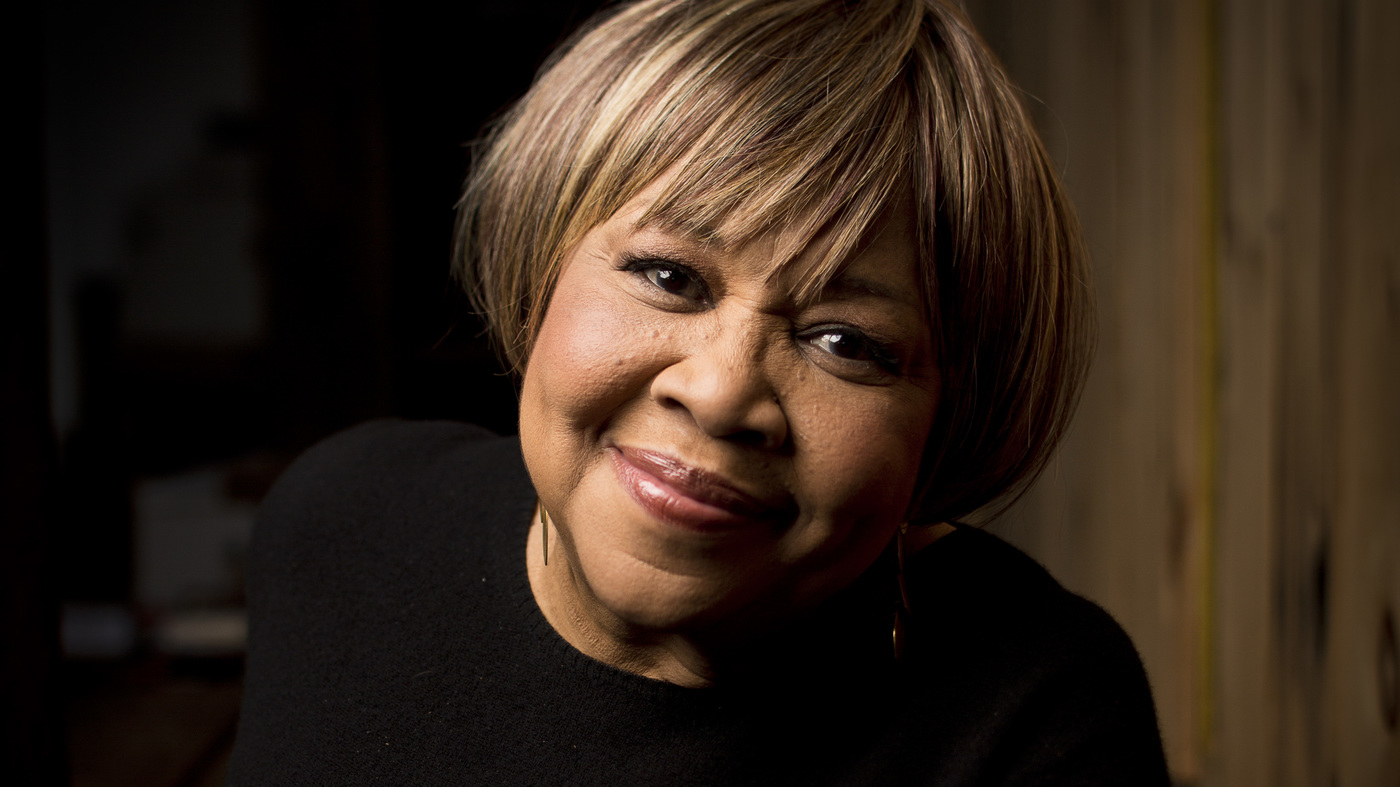 As soon as she made her first record with her family’s gospel-singing group in the early 1950s, Mavis Staples made it clear that she occupied a vocal and emotional register of her very own. At the age of 14, already she could invest the lines “Won’t be the water / But the fire next time” with an almighty dread. Today, at 78, she may have lost some of the range and raw power of her youth but she retains every ounce of the visceral impact. And in terms of its relevance to the state of the world, her new album, If All I Was Was Black, takes its place among the year’s most essential recordings.

 thebluemoment.com